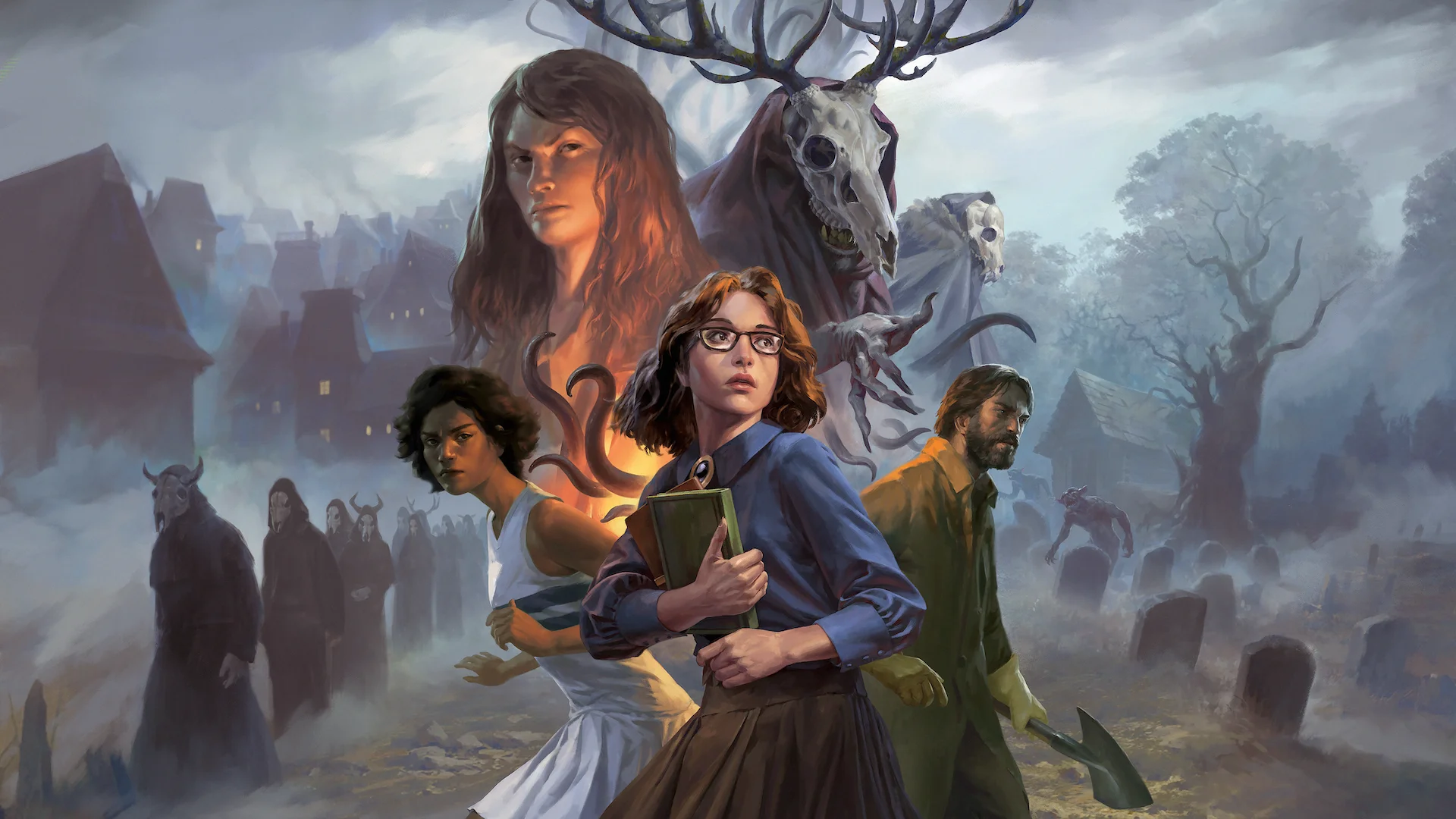
Dark Fantasy RPG Games with Realistic Horror Atmosphere – Dark fantasy RPGs occupy a unique space in gaming, blending the epic adventure of fantasy with the unsettling tension of horror. These games don’t just tell stories—they immerse players in worlds that are haunting, unpredictable, and often morally complex. Unlike standard RPGs, the dark fantasy subgenre thrives on atmosphere, suspense, and a sense of danger that goes beyond health bars and level-ups. For players looking for something more than heroic quests, these games offer experiences that linger long after the screen goes dark.
The appeal of dark fantasy RPGs lies in their ability to balance fear with fascination. Players explore mysterious landscapes filled with decay and shadow, encountering monsters and adversaries that feel genuinely threatening. The horror is not always explicit; it can be psychological, creeping in through subtle environmental cues, oppressive sound design, and the constant feeling that danger is just around the corner. This tension is what sets dark fantasy apart from standard RPGs, creating a deeper emotional investment.
Crafting a Realistic Horror Atmosphere
A defining feature of dark fantasy RPGs is their commitment to realism within their terrifying worlds. This doesn’t mean the games shy away from fantastical elements like magic or mythical creatures. Rather, it means that every aspect of the world—the architecture, weather, character reactions, and environmental storytelling—feels grounded. Players believe that the horrors they face could exist within the rules of that universe.
Lighting and sound design play pivotal roles in building tension. Dimly lit corridors, flickering torches, distant screams, and the rustle of unseen creatures contribute to a constant feeling of unease. Unlike traditional horror games that rely heavily on jump scares, dark fantasy RPGs often use anticipation and uncertainty as their primary tools. Players learn to fear what might happen rather than what immediately does, making every encounter more intense and meaningful.
Environmental storytelling enhances the realism of the horror. Abandoned villages, crumbling castles, and desolate forests carry silent stories of tragedy and corruption. A broken child’s toy in a ruined home or bloodstains leading to nowhere hint at events long past, encouraging players to piece together the narrative themselves. These details create immersion without interrupting gameplay, making the world feel lived-in and dangerous.
The Role of Monsters and Enemies
Monsters in dark fantasy RPGs are rarely just obstacles; they are embodiments of the world’s corruption and fear. Designers often give enemies unique behaviors and motivations that make encounters unpredictable. Some creatures may stalk the player over long distances, forcing careful planning and attention, while others exploit psychological fear, appearing only when the player is most vulnerable.
This approach heightens tension and challenges traditional combat-focused RPG mechanics. Success often requires observation, patience, and strategy rather than brute force. Even familiar fantasy creatures take on a new dimension when placed in dark, realistic settings. A goblin might be cunning and ruthless rather than cartoonish, while dragons may be terrifying predators instead of heroic challenges. These carefully crafted enemies reinforce the sense of danger and keep players constantly on edge.
Storytelling and Moral Ambiguity
Dark fantasy RPGs often explore themes of moral ambiguity and human corruption. Unlike traditional RPGs where heroes are clearly defined, players frequently navigate morally complex decisions. Saving one village might doom another. Aligning with one faction may betray another. These dilemmas enhance the horror atmosphere by making consequences feel real and unavoidable.
Storytelling in dark fantasy RPGs also relies heavily on mood and suggestion rather than exposition. Players uncover bits of lore, diaries, and environmental clues that hint at the world’s tragedies. This method allows horror to seep into the narrative organically, reinforcing immersion without overwhelming players with dialogue or cutscenes. The story becomes part of the environment itself, and every exploration feels meaningful.
Psychological Horror and Player Experience
Psychological horror is a key component in many dark fantasy RPGs. Fear often arises from uncertainty, isolation, and the unknown rather than overt violence. Players may encounter scenarios that challenge their perception, blur the line between reality and illusion, or present moral choices with no clear right answer. This approach creates tension that is both subtle and persistent, keeping players engaged and emotionally invested.
The feeling of vulnerability is central to the experience. Limiting resources, creating dangerous terrain, or forcing players to rely on careful observation reinforces the idea that the world is hostile and unforgiving. When danger can come from both the environment and the inhabitants of the world, every step feels significant. This kind of design encourages players to think and explore cautiously, heightening the sense of suspense.
Atmosphere Through Art and Sound
Art direction in dark fantasy RPGs contributes heavily to the horror experience. Gothic architecture, weathered textures, muted color palettes, and grotesque creature designs create a visual world that evokes fear and awe. Unlike brighter, more cartoonish RPGs, these games thrive on darkness, decay, and subtle visual storytelling. Every location is designed to reinforce the mood of danger and despair.
Sound design complements the visual atmosphere. Subtle audio cues, such as distant whispers, sudden growls, or the echo of footsteps in empty halls, amplify tension. Music is often sparse or haunting, emphasizing ambient sounds rather than overpowering scores. Together, art and sound create a fully immersive environment that makes players feel present in a world where horror is always a heartbeat away.
Why Players Are Drawn to Dark Fantasy RPGs
Dark fantasy RPGs appeal to players who seek experiences beyond standard heroics. They offer tension, unpredictability, and the thrill of facing morally complex situations. Unlike traditional RPGs that reward progression with predictable outcomes, these games challenge players to think, explore, and survive in a hostile environment. Every decision carries weight, and every exploration can reveal both wonder and terror.
The realistic horror atmosphere transforms gameplay into an emotional experience. Players don’t just fight enemies—they feel the weight of the world around them, the sadness of its tragedies, and the constant pressure of survival. This immersion creates lasting memories that go beyond standard RPG satisfaction.
Conclusion
Dark fantasy RPGs with realistic horror atmospheres provide a unique gaming experience that combines suspense, exploration, and narrative depth. By prioritizing immersive world-building, psychological tension, and morally complex storytelling, these games stand out in a genre dominated by straightforward adventure. They remind players that fear can be as compelling as victory, and that a world crafted with attention to atmosphere, detail, and consequence can offer experiences far more memorable than simple quest completion.
For those seeking adventure with an edge of darkness, these RPGs offer rich, haunting worlds to explore. They challenge players to confront fear, make difficult choices, and uncover stories hidden in the shadows. In doing so, they prove that fantasy can be terrifying, beautiful, and unforgettable all at once.