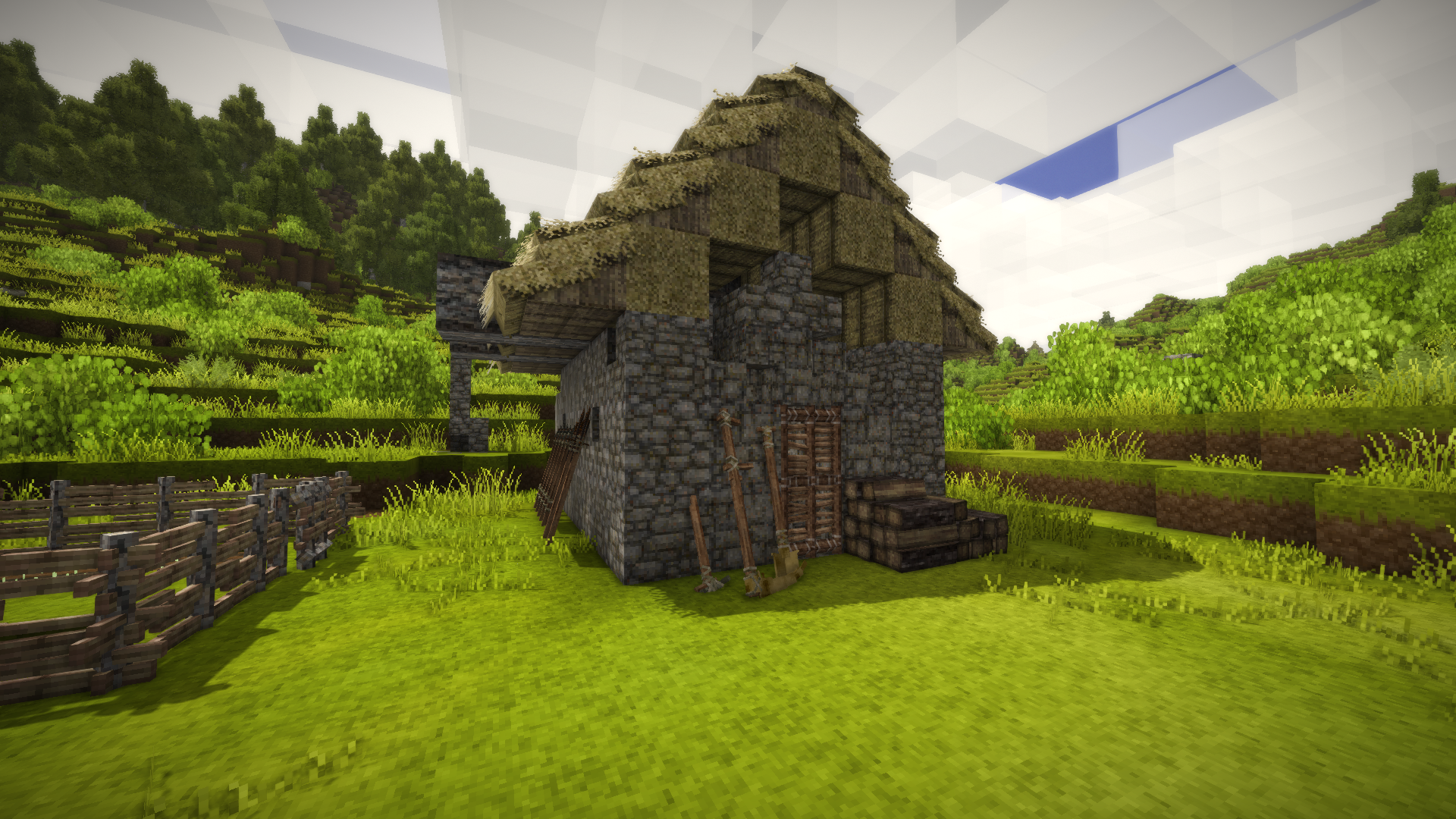
Exploring Underground Modding’s Impact on Official Game Lore
Exploring Underground Modding’s Impact on Official Game Lore – The gaming world has always thrived on creativity. While developers build the foundations, players often take those worlds even further. One of the most fascinating parts of gaming culture is underground modding — a community-driven movement where fans modify existing games to create new stories, mechanics, and experiences. Over time, underground modding has done more than just tweak gameplay. In many cases, it has influenced official game lore, shaped developer decisions, and expanded fictional universes in ways no one expected.
For players who spend time exploring modding communities, it quickly becomes clear that mods are not just technical experiments. They are storytelling tools. Modders reinterpret characters, expand forgotten plotlines, and sometimes even rewrite entire timelines. As a result, the relationship between modding communities and official developers has become far more complex and interesting.
The Rise of Underground Modding Communities
Underground modding did not appear overnight. In the early days of PC gaming, players started modifying files simply to change textures, weapons, or character models. What began as small adjustments soon evolved into full-scale projects that added new maps, quests, and narratives.
As internet forums and file-sharing platforms grew, modding communities became more organized. Passionate gamers collaborated across countries, sharing code, assets, and ideas. These communities often operated outside official developer channels, which is why the term “underground modding” became popular.
The appeal was obvious. Players could explore alternate versions of their favorite game worlds without waiting for official expansions. A single mod could introduce new factions, hidden lore, or alternate endings. Over time, these fan-created additions started shaping how players understood the original game narrative.
When Fan Stories Expand the Universe
One of the most powerful aspects of modding is storytelling freedom. Developers usually work within strict production timelines and budgets. Modders, on the other hand, create purely out of passion. This freedom allows them to explore narrative ideas that might never appear in official releases.
In many popular games, modders have built entire lore extensions. They design new regions, develop side characters, and craft complex questlines that feel deeply connected to the original universe. Sometimes these stories become so popular that players begin to treat them as unofficial canon.
When thousands of players experience the same modded storyline, it naturally becomes part of the broader discussion about a game’s lore. Even if developers never officially acknowledge it, the mod still influences how the community interprets the game world.
Modding as a Creative Testing Ground
Another important role of underground modding is experimentation. Modders often test narrative concepts or gameplay systems that developers might consider too risky. Because mods are distributed freely and updated quickly, creators can refine ideas based on community feedback.
This environment turns modding communities into unofficial research labs for game design. If a mod introduces a new lore direction that players love, developers may notice the popularity and explore similar ideas in future releases.
Many game studios monitor modding communities quietly. They observe which stories resonate with players and which concepts generate discussion. In this way, underground modding sometimes acts as an early indicator of what fans want from the official storyline.
When Mods Inspire Official Game Lore
The line between fan creations and official content has occasionally blurred. In some cases, developers have directly adopted ideas that originated in mods. This does not always happen intentionally, but strong community engagement can influence creative decisions.
Developers may notice recurring themes within the modding scene. Perhaps players keep expanding a specific character’s backstory or building narratives around an unexplored region of the map. When these ideas gain momentum, they signal an opportunity for official storytelling.
Some game studios have even hired modders after recognizing their talent. When this happens, fan creators bring their ideas into the official development process. The transition from underground modder to professional developer has become increasingly common in modern gaming.
The Debate Over Canon and Fan Interpretation
Not everyone agrees on how modding should interact with official lore. Some players prefer a strict definition of canon, where only developer-approved stories count as part of the narrative. Others enjoy the freedom that mods provide and see them as legitimate expansions of the game universe.
This debate reflects a deeper question about storytelling in interactive media. Unlike books or films, games allow players to shape their experience. Mods simply push that idea further by letting the community participate in worldbuilding.
As a result, many gaming communities treat modded lore as an alternate layer of interpretation. It may not replace the official story, but it enriches the overall experience. Players can explore multiple perspectives on the same fictional world.
Why Developers Are Becoming More Mod-Friendly
In the past, some developers viewed modding as a threat to their creative control. Today, the attitude has changed dramatically. Many studios now release modding tools or support community-created content.
There are several reasons for this shift. First, modding keeps games alive for years after release. A strong modding community can extend a game’s lifespan far beyond its original launch window. Second, modders often discover new ways to use existing systems, revealing possibilities the developers never considered.
Most importantly, modding communities represent some of the most dedicated fans. By supporting modders, developers strengthen their relationship with the player base and encourage ongoing engagement with the game world.
Underground Mods and the Evolution of Gaming Culture
Underground modding is no longer a niche hobby. It has become a major part of gaming culture. Entire communities revolve around sharing mods, reviewing fan-made content, and discussing alternative storylines.
For many players, discovering a great mod feels like uncovering hidden content within a beloved game. It creates a sense of exploration beyond the official experience. This constant reinvention keeps classic titles relevant long after their initial popularity fades.
The influence of modding also extends beyond individual games. Many modern developers grew up experimenting with mods themselves. Their early experiences in fan communities often shape how they approach storytelling and game design later in their careers.
The Future of Modding and Game Lore
Looking ahead, the relationship between underground modding and official game lore will likely become even closer. As game engines become more accessible and modding tools improve, the barrier to entry continues to shrink.
New generations of players are not just consuming content; they are creating it. Mods allow them to actively participate in the evolution of their favorite game worlds. This collaborative relationship between developers and communities could redefine how game narratives develop in the future.
Rather than existing as separate forces, official studios and underground modders are gradually becoming part of the same creative ecosystem. Developers build the foundation, while passionate fans expand the universe in unexpected directions.
In the end, underground modding proves that storytelling in games does not belong to developers alone. The community plays a vital role in shaping how those worlds grow, evolve, and remain alive for years to come.
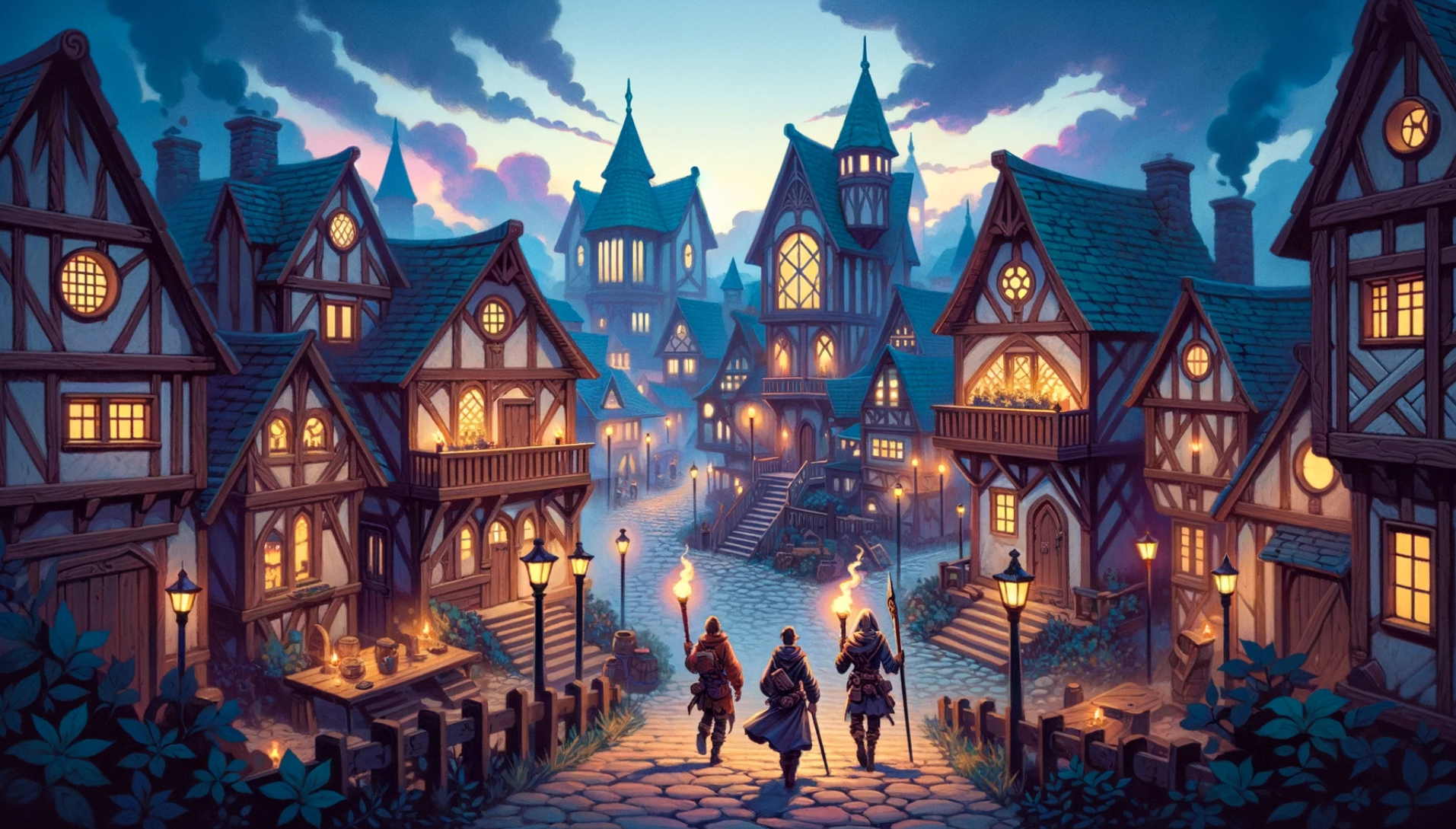
The Art of World-Building in RPGs
The Art of World-Building in RPGs – In the world of gaming, few experiences are as immersive as stepping into a rich, believable universe. Role-playing games, better known as RPGs, have long mastered this craft. From the vast wilderness of The Elder Scrolls V: Skyrim to the dark, morally complex lands of The Witcher 3: Wild Hunt, world-building is the invisible force that keeps players invested for hundreds of hours.
But what exactly makes world-building in RPGs so powerful? Why do some virtual worlds feel alive, while others seem hollow and forgettable? Let’s explore the art of world-building in RPGs and how developers craft unforgettable digital realms that stand the test of time.
Why World-Building Is the Heart of Every Great RPG
At its core, an RPG is about immersion. Players don’t just control a character; they step into a new identity, live through challenges, and shape the story through their decisions. Without a strong world to support that journey, even the best combat system or storyline can fall flat.
World-building in RPGs goes beyond designing landscapes or cities. It involves history, politics, culture, religion, economy, and even the smallest daily routines of non-playable characters. A well-built world feels like it existed long before the player arrived and will continue to exist after they leave.
Think about how Final Fantasy VII presented Midgar as more than just a setting. The city’s class divide, corporate dominance, and environmental themes created a believable society. Players weren’t just saving the planet; they were fighting against systems deeply embedded in the world’s structure.
That depth is what transforms a game from entertaining to unforgettable.
Building History and Lore That Feels Real
One of the foundations of strong RPG world-building is lore. History gives context to present conflicts. Myths explain cultural beliefs. Old wars shape current political tensions.
Take Dragon Age: Inquisition as an example. The world of Thedas is layered with centuries of religious conflict, magical oppression, and shifting alliances. The player doesn’t need to read every codex entry to feel the weight of that history. It’s embedded in dialogue, architecture, and character motivations.
Great RPGs don’t dump information all at once. Instead, they allow players to discover the world naturally. A ruined castle hints at a forgotten war. A village festival reveals local traditions. A side quest uncovers a political conspiracy.
This organic storytelling is what makes world-building effective. It respects the player’s intelligence and curiosity.
The Role of Culture and Society
Culture is often what separates a generic fantasy setting from a living world. Language accents, clothing styles, food, architecture, and social customs all contribute to authenticity.
In The Elder Scrolls V: Skyrim, each region has its own identity. The Nords value honor and strength, reflected in their mead halls and warrior traditions. Meanwhile, other provinces mentioned in the lore have entirely different social systems and beliefs.
These cultural details create contrast and depth. When players travel between regions, they feel like they are truly exploring different societies, not just different maps.
Environmental Storytelling: Showing Instead of Telling
One of the most powerful tools in RPG world-building is environmental storytelling. Rather than explaining everything through dialogue, developers use the environment to communicate narrative.
A burned-down house with scattered belongings tells a tragic story without a single word. A battlefield filled with rusted weapons suggests a conflict long past. These small details create emotional engagement.
The Witcher 3: Wild Hunt excels at this technique. War-torn villages, monster-infested swamps, and abandoned battlefields visually reinforce the harsh realities of its world. The setting constantly reminds players of the consequences of political ambition and supernatural chaos.
Environmental storytelling strengthens immersion because players feel like investigators uncovering hidden truths.
Player Choice and Its Impact on the World
Another essential element of world-building in RPGs is player agency. A world becomes believable when it reacts to the player’s decisions.
In Mass Effect 2, choices influence character relationships, mission outcomes, and even future events in the series. The universe feels dynamic rather than static. Players are not just visitors; they are participants shaping history.
When a town changes because of your actions, when factions treat you differently based on your reputation, the world gains credibility. Cause and effect are powerful storytelling tools.
Developers who invest in reactive systems create worlds that feel alive. Even small changes, like different dialogue responses, can reinforce the illusion of autonomy and consequence.
Consistency: The Secret Ingredient
A believable RPG world follows its own rules. Magic systems have limitations. Political systems have logic. Technology levels remain consistent.
When rules are broken without explanation, immersion collapses. Consistency builds trust between the developer and the player. It assures players that their understanding of the world matters.
Final Fantasy VII balances advanced technology with mystical elements like Materia. The combination works because the game establishes clear internal logic. Players accept the fusion of science fiction and fantasy because the world supports it coherently.
Consistency also applies to tone. A dark, gritty narrative should not suddenly become comedic without purpose. Maintaining thematic focus strengthens emotional investment.
The Importance of Characters in World-Building
Characters are the gateway to any RPG world. Through them, players experience cultural values, political tensions, and personal struggles.
Compelling non-playable characters make a world feel populated and real. They have routines, opinions, and goals that exist beyond the player’s immediate needs.
In Dragon Age: Inquisition, companions have strong personal beliefs shaped by their backgrounds. Their perspectives reveal different sides of the world’s conflicts. Through conversation and conflict, the setting gains nuance.
Strong character writing turns abstract lore into human stories. Instead of reading about a war, players meet veterans who survived it. Instead of hearing about discrimination, they witness its effects on companions.
This emotional layer is what elevates world-building from technical design to art.
Open Worlds vs. Structured Worlds
Not all RPGs approach world-building in the same way. Some focus on vast open landscapes, while others use more linear structures.
Open-world RPGs like The Elder Scrolls V: Skyrim prioritize exploration. Players can roam freely, discovering secrets at their own pace. The world feels expansive and independent.
More structured RPGs, such as Mass Effect 2, use tighter level design to deliver cinematic storytelling. Here, world-building unfolds through carefully crafted missions and character arcs.
Both approaches can succeed. What matters most is coherence. Whether the world is massive or focused, it must feel intentional and thoughtfully constructed.
Technology and the Evolution of RPG Worlds
Advancements in technology have significantly expanded what developers can achieve in world-building. Improved graphics, dynamic weather systems, advanced AI behavior, and realistic physics all contribute to immersion.
However, technology alone does not guarantee a memorable world. Even older titles like Final Fantasy VII remain iconic because of strong narrative foundations and imaginative settings.
Modern RPGs combine technical sophistication with deep storytelling. Realistic lighting and detailed textures enhance atmosphere, but it’s the underlying design philosophy that makes a world unforgettable.
Final Thoughts on the Art of RPG World-Building
The art of world-building in RPGs is a delicate balance of creativity, structure, and player engagement. It requires careful planning, consistency, and attention to detail. From lore and culture to environmental storytelling and player choice, every element contributes to the illusion of a living, breathing universe.
Games like The Witcher 3: Wild Hunt, The Elder Scrolls V: Skyrim, and Dragon Age: Inquisition demonstrate how powerful world-building can transform an RPG into a timeless masterpiece.
For developers, mastering world-building means thinking beyond maps and mechanics. It means crafting histories, shaping cultures, and designing systems that respond to player actions. For players, it means stepping into worlds that feel real enough to lose yourself in.
In the end, great RPG world-building is not just about creating a place to play. It’s about creating a world worth believing in.
Hot News!
Lihat pembaruan melalui https://togel279d.com/ setiap hari.
Jika bosan dengan game online yang monoton, coba tantangan angka situs toto menarik di Togel178.
Supplier Resmi Slot777 & Slot88 https://onceuponamattress.com/ Hadir Lewat Link Toto Slot Gacor Terbaru
Link https://www.strangekidsclub.com/ Situs Toto 4D & Login Bandar Slot Gacor Resmi Terpercaya Paling Andal
Punya teman yang mungkin suka? Ajak temanmu mampir ke toto togel.
login santai dan coba server Thailand melalui https://rahu-kalaya.com/
lagi cari pengalaman baru? coba login ke https://www.spc-mobile.com/ server Thailand
Coba buktikan sendiri betapa gampangnya nyari freespin gratis hanya dengan mendaftar di slot gacor Colok178 malam ini.
Daripada pusing mikirin rumus rumit yang sering meleset, mending pasang keberuntunganmu lewat situs togel Togel178 yang gampang tembus.
Sensasi menang beruntun tanpa jeda kini bisa dirasakan semua pemain di slotgacor COLOK178 dengan tampilan serba cepat.
Recent Posts
- Why Ghost of Yōtei Could Be the Next Big Samurai RPG
- Crimson Desert RPG: Everything You Need to Know About the Open-World Adventure
- Is The Blood of Dawnwalker Ready for Launch? Developers Address Performance Concerns
- Citampi Stories: A Look at Its Life Simulation RPG Experience
- From Millions of Players to Shutdown: The Story of Club Penguin