Role Playing Games That Define Modern Digital Worlds
Role Playing Games That Define Modern Digital Worlds – Role Playing Games, or RPGs, have grown far beyond their roots as simple fantasy adventures. Today, they are living digital worlds where players don’t just play a character, but inhabit an identity. Modern RPGs shape how we experience storytelling, social interaction, and even digital culture itself. From sprawling open worlds to emotionally driven narratives, RPGs have become one of the strongest pillars in the gaming industry.
What makes RPGs so influential is not just combat systems or character stats, but the way these games create believable worlds. Players invest time, emotion, and imagination into these universes, making them feel alive long after the screen is turned off.
The Evolution of Role Playing Games
Early RPGs were inspired by tabletop games, focusing heavily on imagination and text-based storytelling. As technology evolved, so did the scope of RPGs. Developers gained the tools to build complex environments, detailed characters, and branching narratives that react to player choices.
Modern RPGs are no longer limited to turn-based mechanics or static worlds. They offer real-time combat, cinematic storytelling, and dynamic ecosystems where actions have consequences. This evolution has turned RPGs into digital worlds that feel responsive and personal.
From Linear Stories to Living Worlds
Older RPGs often followed a fixed path, guiding players from one objective to the next. Today’s RPGs lean toward open-world design, allowing players to explore freely and define their own journey. This shift has redefined player freedom and immersion.
Games like open-world fantasy RPGs and sci-fi epics encourage exploration, side stories, and emergent gameplay. The world doesn’t wait for the player; it exists independently, creating a sense of realism that pulls players deeper into the experience.
Immersion as the Core of Modern RPGs
Immersion is the defining feature of modern role playing games. Visual fidelity, sound design, world-building, and narrative depth all work together to create believable digital realities. Players are not just controlling avatars, they are making decisions that affect entire worlds.
Character customization plays a big role here. The ability to shape a character’s appearance, skills, morality, and relationships helps players feel personally connected to the game. This connection transforms gameplay into a form of digital role identity.
Player Choice and Consequences
One of the most powerful aspects of RPGs is meaningful choice. Modern RPGs allow players to influence story outcomes, political systems, and even the fate of entire civilizations within the game world.
These choices often come with long-term consequences. A decision made early in the game can affect events many hours later. This creates a sense of responsibility and emotional investment that few other genres can match.
RPG Worlds as Social Spaces
Modern RPGs are no longer purely single-player experiences. Online RPGs and shared-world games have turned digital worlds into social environments. Players form communities, alliances, and rivalries that extend beyond the game itself.
Multiplayer RPGs allow thousands of players to coexist in the same world, shaping its economy, culture, and history. These shared experiences blur the line between game and social platform, making RPGs a central part of modern digital interaction.
The Rise of Online Role Playing Games
Massively multiplayer RPGs introduced the idea of persistent worlds that continue to evolve even when individual players log off. These games feel alive because they are shaped by real human activity.
Guilds, events, player-driven markets, and large-scale battles create stories that are unique to each server. No two players experience the world in exactly the same way, reinforcing the idea that RPGs are living digital spaces.
Storytelling That Competes With Film and Literature
Modern RPG storytelling rivals movies and novels in complexity and emotional depth. Writers craft multi-layered narratives with rich lore, morally complex characters, and philosophical themes.
Unlike passive media, RPGs place the player inside the story. The narrative adapts based on player behavior, making the experience more personal. This interactive storytelling is one of the reasons RPGs define modern digital worlds so strongly.
Emotional Engagement Through Characters
Well-written characters are the heart of any great RPG. Companions, villains, and NPCs feel human, with their own motivations, fears, and growth arcs. Players build relationships with these characters, often remembering them long after finishing the game.
This emotional engagement strengthens immersion and makes the digital world feel meaningful. When players care about characters, they care about the world those characters inhabit.
The Influence of RPGs on Digital Culture
The impact of RPGs extends beyond gaming. Elements like character progression systems, open-world exploration, and branching narratives have influenced other genres and even non-gaming digital platforms.
RPG mechanics now appear in mobile apps, educational tools, and online communities. The idea of leveling up, gaining experience, and unlocking abilities has become a familiar concept in modern digital life.
RPGs and Creative Expression
RPGs also inspire creativity. Fan fiction, artwork, mods, and role-playing communities thrive around popular RPG worlds. Players don’t just consume content; they expand it.
This creative ecosystem keeps digital worlds alive long after official development ends. In many cases, the community becomes a co-creator, shaping the identity of the game itself.
Why RPGs Will Continue to Define Digital Worlds
As technology advances, RPGs are positioned to become even more immersive. Virtual reality, artificial intelligence, and procedural world-building promise richer experiences and deeper player agency.
What makes RPGs timeless is their focus on human experience. Choice, identity, consequence, and storytelling are universal themes. As long as players seek meaningful interaction in digital spaces, RPGs will remain at the center of modern digital worlds.
Role Playing Games are not just games anymore. They are platforms for storytelling, social connection, and self-expression. In defining how we explore and inhabit digital spaces, RPGs have shaped, and will continue to shape, the future of interactive entertainment.
RPG Worlds Built on Strategy Story and Imagination
RPG Worlds Built on Strategy Story and Imagination – Role-playing games, better known as RPGs, have evolved far beyond simple entertainment. Today, RPG worlds are carefully crafted experiences built on strategy, deep storytelling, and limitless imagination. These elements work together to create immersive universes where players do more than just play. They think, plan, feel, and live inside the world itself.
Unlike fast-paced arcade games, RPGs invite players to slow down and engage with complex systems. Every decision matters, every character has meaning, and every story arc feels personal. This is what makes RPG worlds so memorable and why they continue to attract players across generations.
The Foundation of Strategic Gameplay in RPG Worlds
At the heart of most RPG worlds lies strategy. Strategy is not only about combat mechanics or character builds, but also about long-term planning and decision-making. Players are often asked to choose how to develop their characters, manage resources, and respond to challenges that shape the world around them.
In well-designed RPGs, strategy creates a sense of ownership. When players invest time into building skills, selecting equipment, or forming alliances, the outcomes feel earned. This strategic depth separates strong RPG worlds from shallow ones. It ensures that progress is meaningful rather than automatic.
Strategy also enhances replay value. Different choices lead to different outcomes, encouraging players to revisit the same world with new approaches. This layered design is one reason RPGs maintain long-term engagement and strong communities.
Storytelling as the Soul of Role-Playing Games
While strategy forms the backbone, story gives RPG worlds their soul. A compelling narrative transforms a digital environment into a living universe. Players are no longer outsiders; they become heroes, anti-heroes, or even villains within the story.
Strong RPG storytelling often focuses on character-driven narratives. Instead of simply following a fixed plot, players influence how the story unfolds. Dialogue choices, moral decisions, and side quests all contribute to a personalized experience. This interactive storytelling makes RPG worlds feel dynamic and alive.
Emotional Connection Through Narrative Design
One of the most powerful aspects of RPG storytelling is emotional engagement. Players form attachments to companions, feel the weight of loss, and experience triumph through shared struggles. These emotional connections are not accidental. They are carefully written into the world through detailed lore, believable characters, and meaningful conflicts.
When story and gameplay align, players become deeply invested. They remember moments not because of graphics or mechanics, but because of how those moments made them feel. This emotional depth is a defining feature of successful RPG worlds.
Imagination and World-Building Without Limits
Imagination is the element that ties everything together. RPG worlds thrive on creativity, offering environments that range from high fantasy kingdoms to futuristic dystopias. These worlds are not just backdrops; they are integral parts of the experience.
Effective world-building includes history, culture, politics, and mythology. Even if players do not encounter every detail directly, the presence of a well-thought-out universe enhances immersion. Small touches like regional dialects, ancient ruins, or conflicting factions make the world feel authentic.
Imaginative RPG worlds also encourage exploration. Players are rewarded for curiosity, whether through hidden quests, secret locations, or unexpected storylines. This sense of discovery keeps players engaged and reinforces the feeling that the world exists beyond the main storyline.
The Balance Between Freedom and Structure
One challenge in RPG design is balancing player freedom with narrative structure. Too much freedom can make a story feel directionless, while too much structure can limit creativity. The best RPG worlds find harmony between these extremes.
Players are given freedom to explore, but their actions still have consequences. Choices may unlock new paths or close others permanently. This balance creates tension and excitement, as players understand that their decisions shape the world in lasting ways.
Player Agency as a Core RPG Experience
Player agency is central to the RPG identity. The ability to influence outcomes, relationships, and even the fate of entire regions gives players a sense of control rarely found in other genres. This agency is what turns a game into a role-playing experience rather than a passive story.
When RPG worlds respect player choices, they feel responsive and intelligent. This responsiveness strengthens immersion and builds trust between the player and the game world.
Why RPG Worlds Continue to Captivate Players
RPG worlds built on strategy, story, and imagination endure because they offer depth. They challenge the mind through planning, touch the heart through narrative, and spark curiosity through creative design. Few genres manage to blend these elements so seamlessly.
As technology advances, RPG worlds become even more complex and believable. However, the core principles remain the same. A strong strategic foundation, compelling storytelling, and imaginative world-building are timeless qualities that define the best RPG experiences.
For players seeking meaningful gameplay and immersive adventures, RPG worlds remain unmatched. They are not just games, but interactive stories shaped by the choices, strategies, and imagination of those who enter them.

RPG Gaming Hub for Quests Builds and Virtual Worlds
Dark Fantasy RPG Games with Realistic Horror Atmosphere
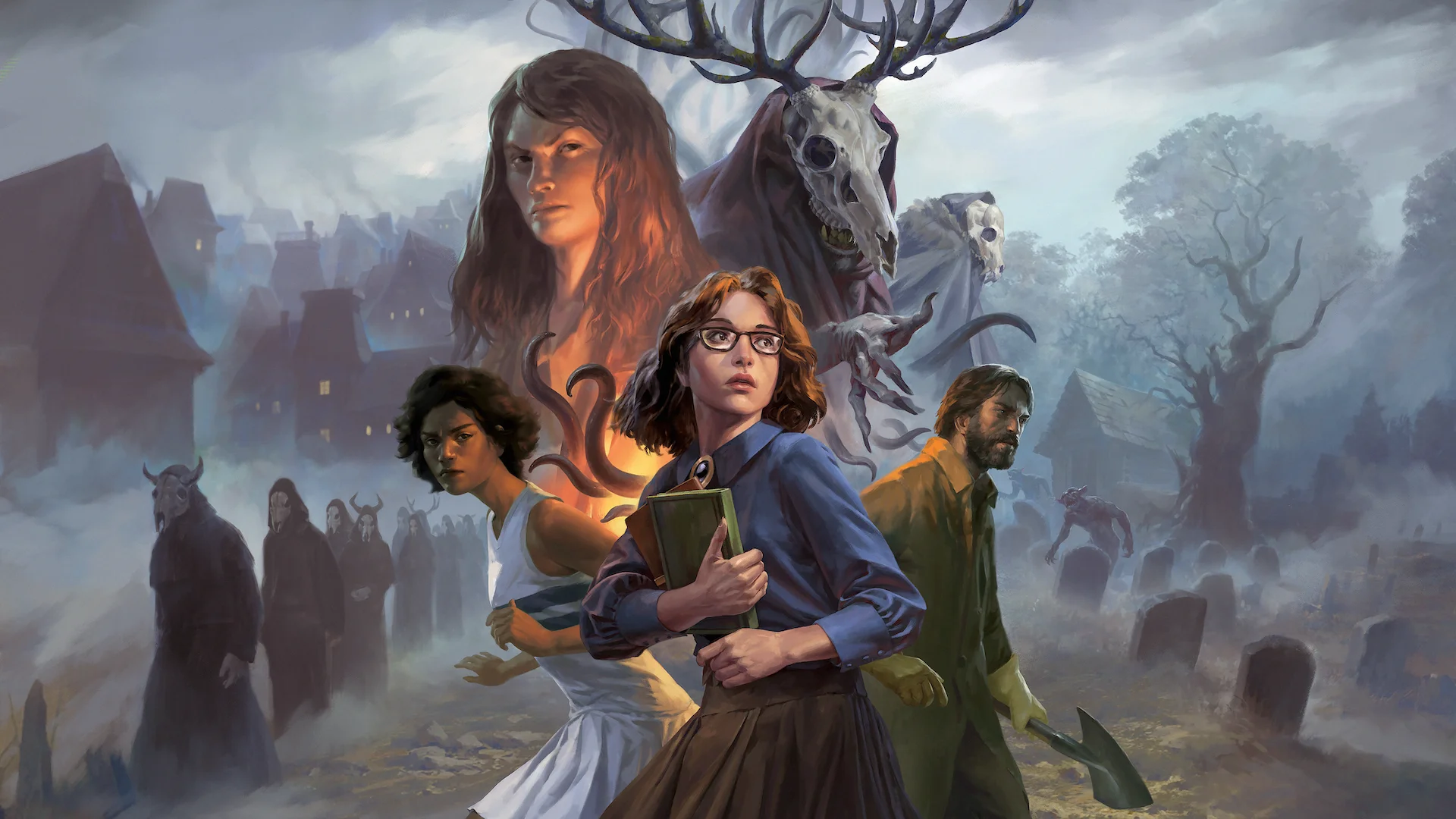
Dark Fantasy RPG Games with Realistic Horror Atmosphere – Dark fantasy RPGs occupy a unique space in gaming, blending the epic adventure of fantasy with the unsettling tension of horror. These games don’t just tell stories—they immerse players in worlds that are haunting, unpredictable, and often morally complex. Unlike standard RPGs, the dark fantasy subgenre thrives on atmosphere, suspense, and a sense of danger that goes beyond health bars and level-ups. For players looking for something more than heroic quests, these games offer experiences that linger long after the screen goes dark.
The appeal of dark fantasy RPGs lies in their ability to balance fear with fascination. Players explore mysterious landscapes filled with decay and shadow, encountering monsters and adversaries that feel genuinely threatening. The horror is not always explicit; it can be psychological, creeping in through subtle environmental cues, oppressive sound design, and the constant feeling that danger is just around the corner. This tension is what sets dark fantasy apart from standard RPGs, creating a deeper emotional investment.
Crafting a Realistic Horror Atmosphere
A defining feature of dark fantasy RPGs is their commitment to realism within their terrifying worlds. This doesn’t mean the games shy away from fantastical elements like magic or mythical creatures. Rather, it means that every aspect of the world—the architecture, weather, character reactions, and environmental storytelling—feels grounded. Players believe that the horrors they face could exist within the rules of that universe.
Lighting and sound design play pivotal roles in building tension. Dimly lit corridors, flickering torches, distant screams, and the rustle of unseen creatures contribute to a constant feeling of unease. Unlike traditional horror games that rely heavily on jump scares, dark fantasy RPGs often use anticipation and uncertainty as their primary tools. Players learn to fear what might happen rather than what immediately does, making every encounter more intense and meaningful.
Environmental storytelling enhances the realism of the horror. Abandoned villages, crumbling castles, and desolate forests carry silent stories of tragedy and corruption. A broken child’s toy in a ruined home or bloodstains leading to nowhere hint at events long past, encouraging players to piece together the narrative themselves. These details create immersion without interrupting gameplay, making the world feel lived-in and dangerous.
The Role of Monsters and Enemies
Monsters in dark fantasy RPGs are rarely just obstacles; they are embodiments of the world’s corruption and fear. Designers often give enemies unique behaviors and motivations that make encounters unpredictable. Some creatures may stalk the player over long distances, forcing careful planning and attention, while others exploit psychological fear, appearing only when the player is most vulnerable.
This approach heightens tension and challenges traditional combat-focused RPG mechanics. Success often requires observation, patience, and strategy rather than brute force. Even familiar fantasy creatures take on a new dimension when placed in dark, realistic settings. A goblin might be cunning and ruthless rather than cartoonish, while dragons may be terrifying predators instead of heroic challenges. These carefully crafted enemies reinforce the sense of danger and keep players constantly on edge.
Storytelling and Moral Ambiguity
Dark fantasy RPGs often explore themes of moral ambiguity and human corruption. Unlike traditional RPGs where heroes are clearly defined, players frequently navigate morally complex decisions. Saving one village might doom another. Aligning with one faction may betray another. These dilemmas enhance the horror atmosphere by making consequences feel real and unavoidable.
Storytelling in dark fantasy RPGs also relies heavily on mood and suggestion rather than exposition. Players uncover bits of lore, diaries, and environmental clues that hint at the world’s tragedies. This method allows horror to seep into the narrative organically, reinforcing immersion without overwhelming players with dialogue or cutscenes. The story becomes part of the environment itself, and every exploration feels meaningful.
Psychological Horror and Player Experience
Psychological horror is a key component in many dark fantasy RPGs. Fear often arises from uncertainty, isolation, and the unknown rather than overt violence. Players may encounter scenarios that challenge their perception, blur the line between reality and illusion, or present moral choices with no clear right answer. This approach creates tension that is both subtle and persistent, keeping players engaged and emotionally invested.
The feeling of vulnerability is central to the experience. Limiting resources, creating dangerous terrain, or forcing players to rely on careful observation reinforces the idea that the world is hostile and unforgiving. When danger can come from both the environment and the inhabitants of the world, every step feels significant. This kind of design encourages players to think and explore cautiously, heightening the sense of suspense.
Atmosphere Through Art and Sound
Art direction in dark fantasy RPGs contributes heavily to the horror experience. Gothic architecture, weathered textures, muted color palettes, and grotesque creature designs create a visual world that evokes fear and awe. Unlike brighter, more cartoonish RPGs, these games thrive on darkness, decay, and subtle visual storytelling. Every location is designed to reinforce the mood of danger and despair.
Sound design complements the visual atmosphere. Subtle audio cues, such as distant whispers, sudden growls, or the echo of footsteps in empty halls, amplify tension. Music is often sparse or haunting, emphasizing ambient sounds rather than overpowering scores. Together, art and sound create a fully immersive environment that makes players feel present in a world where horror is always a heartbeat away.
Why Players Are Drawn to Dark Fantasy RPGs
Dark fantasy RPGs appeal to players who seek experiences beyond standard heroics. They offer tension, unpredictability, and the thrill of facing morally complex situations. Unlike traditional RPGs that reward progression with predictable outcomes, these games challenge players to think, explore, and survive in a hostile environment. Every decision carries weight, and every exploration can reveal both wonder and terror.
The realistic horror atmosphere transforms gameplay into an emotional experience. Players don’t just fight enemies—they feel the weight of the world around them, the sadness of its tragedies, and the constant pressure of survival. This immersion creates lasting memories that go beyond standard RPG satisfaction.
Conclusion
Dark fantasy RPGs with realistic horror atmospheres provide a unique gaming experience that combines suspense, exploration, and narrative depth. By prioritizing immersive world-building, psychological tension, and morally complex storytelling, these games stand out in a genre dominated by straightforward adventure. They remind players that fear can be as compelling as victory, and that a world crafted with attention to atmosphere, detail, and consequence can offer experiences far more memorable than simple quest completion.
For those seeking adventure with an edge of darkness, these RPGs offer rich, haunting worlds to explore. They challenge players to confront fear, make difficult choices, and uncover stories hidden in the shadows. In doing so, they prove that fantasy can be terrifying, beautiful, and unforgettable all at once.

Exploring Fantasy RPG Worlds Beyond Basic Gameplay
Exploring Fantasy RPG Worlds Beyond Basic Gameplay – Fantasy RPGs have always offered more than just quests, combat, and leveling up. For many players, the real magic lies in the worlds themselves. These digital realms feel alive, layered with history, culture, and emotional depth that go far beyond basic gameplay mechanics. Exploring fantasy RPG worlds is not simply about finishing objectives, but about immersion, discovery, and connection with a universe that feels meaningful.
Over the years, RPG developers have evolved from building simple maps into crafting complex worlds that rival novels and films in depth. This evolution has changed how players experience games, turning them into long-lasting journeys rather than short-term entertainment.
The Power of World-Building in Fantasy RPGs
World-building is the foundation of any memorable fantasy RPG. A well-designed world makes players believe that life exists beyond their character’s actions. Towns feel lived in, ruins tell forgotten stories, and landscapes reflect the history of conflict, magic, and survival.
Unlike basic gameplay loops that focus on rewards and progression, strong world-building invites curiosity. Players want to explore not because a quest marker tells them to, but because the environment itself feels mysterious. A crumbling castle on a distant hill or an abandoned village hidden in the woods sparks questions that pull players deeper into the experience.
Fantasy RPG worlds often borrow elements from mythology, folklore, and classic literature, blending them into something new. This familiarity mixed with originality helps players feel grounded while still being surprised. When done right, the world becomes a character of its own.
Storytelling Beyond Main Quests
One of the defining strengths of fantasy RPG worlds is how they tell stories outside the main narrative. Side quests, environmental clues, and optional dialogue often reveal more about the world than the primary storyline ever could.
A forgotten journal in a dungeon, a statue dedicated to a fallen hero, or a short conversation with a wandering NPC can add layers of emotional weight. These moments are easy to miss, but they reward players who take the time to explore rather than rush through content.
This form of storytelling feels more personal. Instead of being told what matters, players discover it themselves. That sense of discovery creates stronger emotional investment and makes the world feel authentic rather than scripted.
Environmental Storytelling and Hidden Details
Environmental storytelling is one of the most effective tools in fantasy RPG design. Without a single line of dialogue, developers can communicate tragedy, hope, or mystery through visual details alone.
A battlefield littered with broken weapons tells a story of loss. A once-grand city now overtaken by nature suggests the passage of time and forgotten glory. These subtle cues encourage players to imagine what happened long before they arrived, turning exploration into a narrative experience.
Hidden areas also play a major role. Secret caves, underground cities, or locked ruins reward curiosity and make the world feel larger than what is immediately visible. This sense of scale is essential for immersion.
The Role of Lore in Deepening Immersion
Lore is often what separates a good fantasy RPG from a great one. Rich lore gives context to everything players see and do, from political conflicts to ancient magic systems.
Rather than dumping information all at once, successful RPGs scatter lore throughout the world. Books, inscriptions, NPC conversations, and even enemy designs contribute to a larger picture. Players who engage with these elements gain a deeper understanding of the world’s rules and history.
Importantly, lore should enhance gameplay, not interrupt it. When integrated naturally, it becomes a reward for exploration rather than a barrier. Players feel like historians uncovering lost knowledge rather than students forced to read long explanations.
Player Choice and World Interaction
Fantasy RPG worlds feel more alive when players can influence them. Choices that affect factions, cities, or individual characters give weight to player decisions and reinforce the idea that the world responds to actions.
These choices don’t always need dramatic consequences. Small changes, such as altered dialogue or visual differences in locations, can be just as effective. They remind players that their journey is unique and that the world acknowledges their presence.
This interaction goes beyond morality systems. Supporting a struggling village, betraying a powerful guild, or choosing which ancient power to awaken all shape how players perceive the world. The result is a personalized experience that extends beyond basic gameplay loops.
Exploration as a Core Experience
Exploration in fantasy RPGs is not just about finding loot. It’s about atmosphere, discovery, and the freedom to wander without pressure. Open landscapes, varied biomes, and unexpected encounters encourage players to slow down and enjoy the journey.
When exploration is well designed, players create their own stories. A chance encounter with a roaming monster, a breathtaking view at the top of a mountain, or a peaceful moment in a hidden grove can become just as memorable as any scripted event.
This sense of freedom is what keeps players coming back long after they finish the main storyline.
Emotional Connection to Fantasy Worlds
What truly sets fantasy RPG worlds apart is their ability to create emotional connections. Players don’t just remember the mechanics, they remember how the world made them feel.
Relationships with companions, moral dilemmas, and the weight of choices all contribute to this emotional depth. Saying goodbye to a beloved character or witnessing the consequences of a past decision can leave a lasting impression.
These moments are powerful because they are experienced within a world that feels real and consistent. Emotional storytelling only works when the setting supports it, and fantasy RPGs excel at blending narrative with immersive environments.
Why Fantasy RPG Worlds Matter Beyond Gameplay
Fantasy RPG worlds matter because they offer experiences that extend beyond entertainment. They invite players to explore creativity, empathy, and imagination in ways few other genres can.
By focusing on rich environments, meaningful storytelling, and player agency, these games create worlds that feel worth saving, exploring, and remembering. They remind players that games can be more than challenges to overcome, becoming spaces where stories unfold naturally.
As fantasy RPGs continue to evolve, world-building will remain at the heart of the genre. Beyond basic gameplay, it is the depth of these worlds that keeps players invested and inspires them to return again and again.
RPG Games Guide: Characters Skills and Worlds
RPG Games Guide: Characters Skills and Worlds – Role-playing games, or RPGs, have always captivated players with their immersive worlds, complex characters, and engaging storylines. From sprawling fantasy landscapes to futuristic sci-fi settings, RPGs allow players to step into a role and shape their journey through choices, strategy, and skill. Understanding how characters, skills, and worlds interact can enhance the gaming experience, making every adventure more rewarding.
An RPG Games Guide serves as a roadmap for both newcomers and seasoned players. By breaking down essential gameplay elements, players can navigate new titles with confidence, master challenging mechanics, and fully enjoy the depth these games offer.
Characters: The Heart of Every RPG
Characters are at the core of every RPG experience. Players often spend hours customizing their heroes, choosing classes, and developing personalities that resonate with their playstyle. A well-crafted character system can make the difference between a forgettable game and an unforgettable journey.
Choosing the Right Character Class
Character classes define a player’s abilities, strengths, and weaknesses. Traditional RPGs often include classes like warriors, mages, rogues, and healers, each offering unique approaches to combat and problem-solving. Choosing a class should align with how a player wants to engage with the game, whether through direct combat, magic, stealth, or support roles.
Understanding the strengths and weaknesses of each class helps players build effective strategies from the start. For instance, a mage may deal massive damage but rely on protection from allies, while a warrior thrives in close combat but might struggle with ranged attacks. Knowing these dynamics early on saves frustration and enhances enjoyment.
Developing Characters Over Time
RPGs thrive on character progression. Leveling up, gaining experience points, and unlocking new abilities create a sense of growth and accomplishment. Players can customize their characters through skill trees, equipment upgrades, and attribute points, allowing each journey to feel personal and unique.
Investing time in understanding character development ensures players can handle tougher challenges later in the game. It also encourages experimentation, letting players try different builds and playstyles without feeling restricted.
Skills: Mastering Combat and Strategy
Skills are the tools that bring characters to life. From combat maneuvers to magical abilities, skills shape how players interact with the game world. A strong grasp of the skill system can turn a difficult boss fight into a satisfying victory.
Understanding Skill Trees
Most RPGs feature skill trees, where abilities are unlocked progressively. Skill trees often encourage specialization, allowing players to focus on offense, defense, or support, depending on their preferred playstyle. Choosing the right path within a skill tree can significantly impact combat efficiency and overall gameplay experience.
Combining Skills for Maximum Effect
Many RPGs reward creative skill combinations. Pairing abilities that complement each other can create powerful synergies. For example, combining crowd-control magic with area-of-effect attacks can clear groups of enemies quickly, while mixing healing and buff skills can sustain allies through prolonged battles.
Experimentation is key. RPGs often encourage players to test different skill combinations to find what works best for their characters and situations. This trial-and-error approach adds depth and replayability to the game.
Worlds: Exploring Immersive Environments
The world of an RPG is more than just a backdrop. It is a living, breathing environment that responds to player actions. Exploring these worlds can be as rewarding as mastering combat or building characters.
Open-World vs. Linear RPGs
RPG worlds can be open-world, offering freedom to explore vast landscapes and complete quests at your own pace, or linear, guiding players along a structured story path. Open-world RPGs encourage exploration, allowing players to discover hidden treasures, side quests, and unique characters. Linear RPGs, on the other hand, focus on a tight narrative, delivering carefully crafted stories and cinematic experiences.
Both styles have their merits, and understanding the world design helps players approach the game with the right mindset. Some players thrive on freedom and discovery, while others prefer a more focused narrative experience.
Interacting with the Game World
RPG worlds are often filled with interactive elements. Players can talk to NPCs, uncover hidden secrets, complete side quests, and influence the environment through choices. These interactions create a sense of agency, making players feel like their actions truly matter.
A thorough RPG Games Guide emphasizes the importance of exploration and engagement. Players who take the time to explore every corner often uncover unique stories, rare items, and experiences that enhance the game’s depth.
Tips for Maximizing Your RPG Experience
Understanding characters, skills, and worlds is only part of the journey. To truly excel in RPGs, players need strategies that tie these elements together.
Strategic Planning and Preparation
Preparation is critical in RPGs. Choosing the right gear, leveling up key skills, and understanding enemy weaknesses can make difficult encounters manageable. Many RPGs reward careful planning, encouraging players to study maps, quests, and enemy patterns.
Adapting to Challenges
Flexibility is another important aspect. RPGs often throw unexpected challenges at players, from tough boss battles to branching story decisions. Being adaptable—ready to adjust skills, equipment, or tactics—ensures that players can navigate surprises without losing momentum.
Engaging with Community Resources
For players seeking additional insight, RPG communities and guides are invaluable. Forums, wikis, and fan-created resources often provide strategies, hidden tips, and creative solutions. Engaging with the community can uncover secrets that might otherwise go unnoticed.
Why RPG Guides Are Essential for PBN Content
From a content strategy perspective, RPG guides are a strong fit for SEO and PBN networks. The RPG niche attracts a dedicated audience that constantly searches for news, guides, and reviews. Articles focused on characters, skills, and worlds naturally incorporate relevant keywords, creating high topical relevance.
Evergreen content such as detailed skill explanations, character builds, and world exploration tips remains valuable for years. This type of content blends seamlessly into a PBN ecosystem, providing authentic, engaging material that supports broader link-building strategies.
Conclusion: Enhancing Your RPG Journey
RPGs are much more than games; they are immersive experiences shaped by the choices players make, the characters they develop, and the worlds they explore. A well-crafted RPG Games Guide helps players navigate this complexity, offering insights into characters, skills, and environments that enhance enjoyment and mastery.
By understanding the mechanics of character development, mastering skill combinations, and exploring worlds thoroughly, players can transform every RPG session into a memorable adventure. Whether you are a newcomer eager to learn the basics or a veteran seeking advanced strategies, an RPG guide is an indispensable companion for anyone passionate about role-playing games.
Engaging with these guides not only improves gameplay but also deepens appreciation for the creativity and design behind every RPG world. For dedicated players, this knowledge transforms ordinary gameplay into a fully immersive journey, making every quest and encounter more rewarding.

RPG Gaming Hub: News Guides and Reviews
RPG Gaming Hub: News Guides and Reviews – Role-playing games have always held a special place in the gaming world. From classic turn-based adventures to massive open-world RPGs, the genre continues to grow and evolve every year. For players who want to stay updated, improve their gameplay, and discover the best titles to invest their time in, an RPG Gaming Hub becomes an essential destination.
An RPG Gaming Hub is more than just a website. It is a central place where news, guides, and reviews come together to support both casual players and hardcore fans. Whether you enjoy single-player story-driven RPGs or online multiplayer experiences, having reliable information makes the journey more enjoyable.
Why RPG Games Continue to Dominate the Gaming Industry
RPG games offer something many other genres cannot: deep storytelling, character progression, and meaningful choices. Players are not just controlling a character; they are shaping a world and defining their own path.
Modern RPGs combine immersive narratives with stunning visuals and complex gameplay systems. Titles like open-world fantasy RPGs, sci-fi role-playing games, and action RPGs have pushed the boundaries of what interactive storytelling can achieve. Because of this, interest in RPG-related content such as news updates, strategy guides, and honest reviews continues to rise.
An RPG Gaming Hub answers this demand by providing players with everything they need in one place.
Latest RPG News and Industry Updates
Staying Ahead of New Releases and Updates
The RPG genre moves fast. New games are announced, patches are released, and expansions change how players experience their favorite titles. An RPG Gaming Hub focuses on delivering timely and relevant news so players never miss important updates.
From upcoming RPG release dates to developer announcements and gameplay reveals, staying informed helps players decide which games are worth following. Many RPGs also receive regular balance updates or story expansions, making news coverage an important part of the player experience.
Trends Shaping the Future of RPG Games
Beyond daily news, an RPG Gaming Hub also highlights long-term trends in the industry. Open-world design, player-driven narratives, and cross-platform RPG experiences are becoming more common. Indie RPG developers are also gaining attention by delivering creative stories and unique gameplay mechanics.
By following these trends, players gain insight into where the RPG genre is heading and which titles may become the next big hits.
In-Depth RPG Guides for All Skill Levels
Beginner-Friendly RPG Guides
Not every player starts as an expert. Many RPG games can feel overwhelming at first, especially with complex skill trees, crafting systems, and combat mechanics. A well-structured RPG Gaming Hub offers beginner guides that explain core systems in a simple and friendly way.
These guides help new players understand character classes, leveling strategies, and early-game tips without spoiling the experience. With the right guidance, players can enjoy the game more and avoid common mistakes.
Advanced Strategies and Character Builds
For experienced players, RPG guides go deeper. Advanced character builds, optimal equipment choices, and late-game strategies are essential for mastering difficult content. Whether it is optimizing a damage-focused build or creating a balanced support character, detailed guides provide valuable insights.
An RPG Gaming Hub brings together expert knowledge and practical experience, making it easier for players to refine their playstyle and reach endgame content efficiently.
Honest RPG Reviews You Can Trust
What Makes a Good RPG Review
Not all RPG games are created equal. Some offer unforgettable stories and deep gameplay, while others fall short of expectations. A reliable RPG Gaming Hub focuses on honest and balanced reviews that help players make informed decisions.
A good RPG review looks at story quality, gameplay mechanics, character development, and overall replay value. Performance, graphics, and post-launch support also play a role, especially for modern RPG titles.
Helping Players Choose the Right RPG
With so many RPG games available on PC, console, and mobile platforms, choosing the right one can be difficult. Reviews on an RPG Gaming Hub highlight strengths and weaknesses without unnecessary hype.
This approach builds trust and helps players find RPGs that match their preferences, whether they enjoy story-heavy adventures, fast-paced action RPGs, or classic turn-based experiences.
The Role of Community in an RPG Gaming Hub
RPG games thrive on community discussion. Players love sharing theories, strategies, and personal experiences. A strong RPG Gaming Hub encourages this sense of community by focusing on content that resonates with real players.
Community-driven topics such as character builds, story interpretations, and hidden secrets keep the genre alive long after a game’s release. This ongoing engagement is what separates a simple gaming site from a true RPG hub.
Why RPG Gaming Hubs Matter for SEO and Content Networks
From an SEO perspective, RPG Gaming Hub content is highly valuable. The RPG niche has strong evergreen potential, as guides and reviews remain relevant for years. Search queries related to RPG news, walkthroughs, and game reviews consistently attract organic traffic.
For PBN purposes, RPG-focused articles provide natural keyword placement and strong topical relevance. Content that feels authentic and player-focused performs better over time and blends seamlessly into a broader gaming network.
Final Thoughts on RPG Gaming Hub Content
An RPG Gaming Hub serves as a trusted companion for players exploring virtual worlds. By combining up-to-date news, practical guides, and honest reviews, it supports every stage of the RPG journey.
As the RPG genre continues to grow, the demand for reliable and engaging content will only increase. A well-crafted RPG Gaming Hub not only informs players but also strengthens the connection between games and the people who love them.
For anyone passionate about role-playing games, having a dedicated hub makes the experience richer, smoother, and far more rewarding.
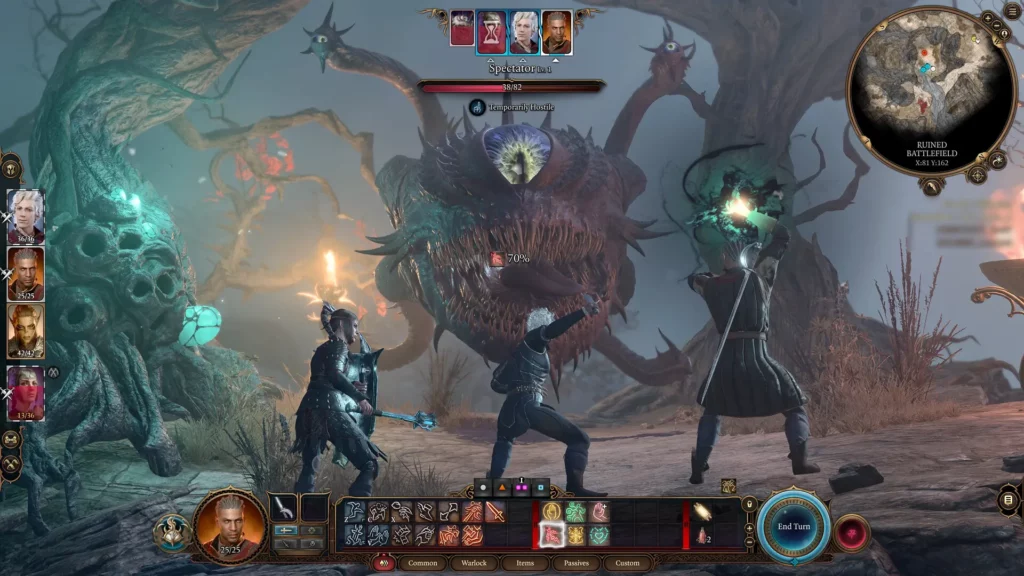
Deep Dive into Role-Playing Games and Fantasy Worlds
Deep Dive into Role-Playing Games and Fantasy Worlds – Role-playing games (RPGs) have captivated players for decades, offering a unique escape into fantastical worlds full of adventure, magic, and endless possibilities. Whether you are a seasoned gamer or a curious newcomer, understanding the depth and appeal of RPGs can give you a fresh perspective on why these games continue to thrive.
The Allure of Role-Playing Games
Role-playing games are more than just entertainment; they are an experience. Players step into the shoes of a character, making choices that shape the story and influence the outcome. This level of immersion is one of the key reasons why RPGs have become so popular. Unlike linear games where the storyline is fixed, RPGs allow for personal expression and creativity.
The beauty of RPGs lies in their flexibility. You might find yourself leading a party of heroes through treacherous dungeons, negotiating peace between warring kingdoms, or uncovering ancient secrets hidden in forgotten ruins. Each choice, big or small, carries weight, and that makes every session unique.
Exploring Different Types of RPGs
RPGs come in many forms, each offering a distinct experience. Tabletop RPGs, such as Dungeons & Dragons, provide an in-person, social experience where imagination drives the narrative. Players collaborate to build stories, guided by a game master who controls the world and challenges. The tactile element of rolling dice and mapping out worlds adds an extra layer of engagement.
Video game RPGs, on the other hand, allow for a more visual and interactive experience. Games like The Witcher, Final Fantasy, and Skyrim immerse players in richly detailed worlds, where decisions can impact entire kingdoms. Many of these games feature open-world exploration, letting players wander freely and uncover hidden treasures, side quests, and lore that make the world feel alive.
There are also hybrid RPGs, which combine elements of tabletop and digital experiences. These games often include deep storytelling, customizable characters, and multiplayer components, offering a balance between structured gameplay and freedom.
World-Building in Fantasy RPGs
One of the most fascinating aspects of RPGs is the art of world-building. A compelling fantasy world is more than just scenery; it’s a living ecosystem with its own history, politics, cultures, and conflicts. Players can explore vast landscapes, from enchanted forests to bustling cities, each filled with characters, creatures, and mysteries.
Creating a fantasy world requires careful attention to detail. Successful RPGs include well-developed lore, a logical progression of events, and believable motivations for both heroes and villains. Even minor elements, like currency systems, languages, and local traditions, contribute to the sense of immersion. When a world feels real, players are more likely to invest emotionally in the story and their characters.
Character Development and Player Agency
At the heart of every RPG is the player’s character. Developing a character is an exciting process that blends imagination with strategy. Players often choose from different classes or archetypes, such as warriors, mages, or rogues, each with unique abilities and strengths. Beyond stats and skills, role-playing encourages players to explore their character’s personality, motivations, and relationships.
The choices players make are what make RPGs special. Decision-making can affect not only the character’s fate but also the larger world around them. A single action, like sparing an enemy or forming an alliance, can trigger consequences that ripple through the story. This sense of agency keeps players engaged and invested, as every decision feels meaningful.
Social Dynamics and Community
RPGs are often social experiences, whether played in-person or online. Tabletop games encourage teamwork, negotiation, and creative problem-solving, while online RPGs foster global communities where players collaborate, compete, and share experiences. These social aspects add another layer of depth to the game, as friendships, rivalries, and memorable moments are forged within the virtual or imagined world.
Many players find that participating in RPG communities extends beyond gameplay. Forums, fan art, podcasts, and fan fiction allow enthusiasts to connect and explore the worlds they love even further. This sense of belonging can be especially rewarding, making RPGs not just a game but a shared cultural experience.
Why Fantasy Worlds Continue to Captivate
Fantasy worlds offer an escape from the ordinary. They allow players to explore possibilities beyond the limits of real life, to be heroes, strategists, or scholars in universes of their own choosing. The combination of adventure, creativity, and social interaction makes RPGs uniquely satisfying.
Additionally, fantasy settings often explore themes that resonate universally, such as courage, friendship, and the struggle between good and evil. Players can experiment with moral choices, explore different philosophies, and even reflect on their own values through the lens of the game.
The immersive quality of fantasy RPGs also encourages critical thinking and problem-solving. Quests often require strategy, resource management, and teamwork, giving players a sense of accomplishment when challenges are overcome. These experiences are rewarding not just for entertainment but for personal growth and skill development.
The Future of RPGs and Fantasy Worlds
As technology evolves, so do RPGs. Virtual reality (VR) and augmented reality (AR) are pushing the boundaries of immersion, allowing players to physically step into their fantasy worlds. Procedural generation and AI-driven narratives are creating more dynamic and personalized experiences, ensuring that no two adventures are ever exactly alike.
Yet, despite technological advances, the core appeal of RPGs remains the same: storytelling, choice, and imagination. Whether through pen-and-paper adventures or cutting-edge VR experiences, RPGs will continue to offer players a chance to escape, explore, and create.
Conclusion
Role-playing games and fantasy worlds provide a rich tapestry of adventure, creativity, and community. They allow players to live out stories, explore new realms, and shape their own destinies. From intricate world-building and character development to social interaction and immersive storytelling, RPGs offer something for everyone.
For anyone looking to understand the magic of RPGs, it’s clear that the experience is about more than just gameplay. It’s about exploration, imagination, and connection. Stepping into a fantasy world is stepping into a space where anything is possible, and that timeless appeal ensures that RPGs will remain a beloved pastime for generations to come.

RPG Games With the Best Storytelling and Worlds
RPG Games With the Best Storytelling and Worlds – RPG games have always been the best playground for stories that stay with you long after the credits roll. The genre has a special talent for combining deep narratives with immersive worlds, making you feel like you’re living a different life. In this article, we’ll explore RPG games that not only have great gameplay, but also the kind of storytelling that makes you care about the characters and the world around them.
Why Storytelling Matters in RPGs
In RPGs, storytelling isn’t just a side feature—it’s the main dish. A strong story gives meaning to your quests, makes your decisions feel weighty, and gives your character purpose. When a game has a well-crafted world, it becomes more than a game. It becomes a place you want to return to, even when you’re not playing.
RPG storytelling works best when the world feels alive. When NPCs have routines, when towns change over time, and when your choices affect the world. Those are the moments that make RPGs unforgettable.
The Elder Scrolls V: Skyrim – A World You Can Get Lost In
Skyrim is a classic example of a game that nails worldbuilding. The story is strong, but the world itself is the real star. From snow-covered mountains to ancient ruins, every corner of Skyrim feels like it has its own history.
What makes Skyrim special is how it lets you create your own story. You can become a warrior, a thief, a mage, or a little bit of everything. The game doesn’t force you into a specific role. That freedom makes the world feel alive because your story is unique to you.
Why Skyrim Stands Out
Skyrim is one of those games where the world becomes a character. Even if you’re not following the main quest, the world continues to feel real and interesting. That’s rare in RPGs, and it’s why Skyrim remains popular years after its release.
The Witcher 3: Wild Hunt – Storytelling at Its Best
The Witcher 3 is widely praised for its storytelling, and for good reason. It doesn’t just tell a story—it makes you feel the weight of it. The characters are complex, the themes are mature, and the world is rich with detail.
The game’s side quests are often just as meaningful as the main story. Many quests feel like mini-movies, with emotional twists and memorable moments. It’s rare to see an RPG where every quest feels worth doing, but The Witcher 3 manages to pull it off.
What Makes The Witcher 3 Different
The Witcher 3 doesn’t shy away from difficult choices. You’re often forced to decide between two bad options, and the consequences aren’t always obvious. This makes the story feel real and unpredictable, which is why it’s one of the best RPGs for storytelling.
Mass Effect 2 – A Story About Choices and Consequences
Mass Effect 2 is a game that understands how to make you care. The story is driven by relationships, loyalty, and the idea that every decision matters. The characters are memorable, and the world feels vast and interconnected.
What makes Mass Effect 2 special is how it rewards you for building connections. The game isn’t just about fighting enemies—it’s about the people you meet and the bonds you form. The ending changes depending on your choices, which makes the story feel personal.
The Power of Player Choice
In Mass Effect 2, choices aren’t just for show. They change the story, the characters, and the outcome of the game. This level of impact is what makes the game stand out in RPG storytelling.
Persona 5 – Stylish Storytelling and Emotional Depth
Persona 5 is an RPG that blends style with deep emotional storytelling. The game focuses on a group of students who become “phantom thieves” to fight corruption in society. What makes the story powerful is how it handles real-life themes like identity, trauma, and social pressure.
The world is vibrant and full of life, from the city streets to the supernatural realms. Persona 5 is a game that feels like a modern anime with real emotional depth. It’s a unique experience that shows how RPGs can tell powerful stories through character development and atmosphere.
Why Persona 5 Works So Well
Persona 5 shines because it builds a strong connection between the player and the characters. The story feels personal, and the world feels real. The game’s pacing is excellent, making every moment feel meaningful.
Final Thoughts
Great RPG storytelling isn’t just about plot—it’s about creating a world you want to explore and characters you want to follow. Games like Skyrim, The Witcher 3, Mass Effect 2, and Persona 5 prove that RPGs can offer some of the most powerful storytelling experiences in gaming.
If you’re looking for RPG games that offer deep stories and unforgettable worlds, these titles are a perfect place to start. They don’t just entertain—you become part of their world, and that’s what makes them truly special.

RPG Games Deep Stories Character Progression And Strategic
RPG Games Deep Stories Character Progression And Strategic Play X – RPG games have long been a favorite for gamers who love immersive worlds, complex characters, and meaningful choices. Unlike other genres, RPGs offer players the opportunity to shape their journey, develop their characters, and engage in strategic gameplay that keeps every session exciting. In this article, we’ll explore what makes RPGs so compelling, from deep stories to character progression and strategic play.
The Allure of Deep Stories in RPGs
One of the most powerful aspects of RPG games is their storytelling. Unlike simple action or platform games, RPGs often immerse players in vast worlds with intricate plots and memorable characters. The narrative isn’t just a backdrop—it drives your actions, decisions, and even how you interact with other characters.
In many RPGs, players face morally complex decisions that can change the outcome of the story. Whether it’s choosing between saving a village or pursuing a personal vendetta, the stakes feel real because your choices matter. This level of narrative depth encourages replayability, as different decisions lead to entirely new experiences.
Beyond the main storyline, RPGs often include side quests that enrich the world and provide context to the main events. These quests can reveal hidden histories, character backstories, or even unlock rare items and abilities. For players who love exploring lore, these details make the game world feel alive and personal.
Character Progression: More Than Just Leveling Up
Another cornerstone of RPGs is character progression. Players don’t just control a character—they grow with them. Leveling up is just the beginning. RPGs often feature skill trees, equipment upgrades, and customization options that let players define their unique playstyle.
Progression in RPGs is satisfying because it reflects the time and effort invested. Earning new abilities or unlocking powerful equipment gives a tangible sense of growth. Moreover, the way characters evolve often ties directly into the story, making personal achievements feel narratively meaningful. You aren’t just stronger; you are becoming a legend within the game’s world.
Character development also encourages strategic thinking. Choosing which abilities to focus on, which gear to equip, and which companions to recruit affects how you approach challenges. This strategic layer adds depth and replayability, as players experiment with different builds and tactics.
Strategic Gameplay: Thinking Beyond the Button
RPGs aren’t just about story and progression—they also reward smart thinking. Unlike hack-and-slash games, RPGs require planning and foresight. Combat often involves tactical decisions, like positioning, ability timing, and resource management. These elements make battles feel like puzzles where clever strategies can triumph over brute force.
Many RPGs also include strategic elements outside of combat. Players might need to manage resources, plan explorations, or make choices that impact alliances and the world around them. These layers of strategy engage the mind and encourage players to think several steps ahead.
The combination of story, progression, and strategy ensures that RPGs are more than just games—they are experiences. Every decision matters, every battle is an opportunity to test your skills, and every quest deepens your connection to the world.
Exploring Different RPG Styles
RPGs come in various forms, each with its own approach to storytelling, progression, and strategy. For instance, traditional turn-based RPGs emphasize careful planning and tactical combat, while action RPGs focus on real-time skill and reflexes. Open-world RPGs prioritize exploration and player choice, allowing you to shape your journey as you see fit.
No matter the style, all RPGs share core principles: engaging stories, meaningful character growth, and strategic challenges. This universality makes RPGs appealing to a broad range of players, from casual gamers to hardcore strategists.
Why RPGs Stand Out in Gaming
RPGs are unique because they balance narrative, gameplay, and strategy in a way few other genres can. Players aren’t passive observers—they are active participants in a living world. The sense of investment in your character and the impact of your choices create a gaming experience that feels deeply personal.
Additionally, RPGs often encourage community engagement. Players share strategies, discuss story outcomes, and create guides to help others navigate complex worlds. This social aspect adds another layer of depth, making the RPG experience richer and more rewarding.
The Future of RPGs
As technology advances, RPGs continue to evolve. Modern games integrate more complex AI, dynamic storylines, and expansive worlds. Players can expect even greater freedom to shape their adventures, with worlds that respond to their choices in unprecedented ways. Virtual reality and cloud gaming may further immerse players, making RPGs not just games but fully interactive stories.
Despite these innovations, the core elements remain the same. Deep stories, thoughtful character progression, and strategic gameplay will always define the genre. The best RPGs capture the magic of discovery, challenge, and personal growth, keeping players engaged for hundreds of hours.
Conclusion
RPG games are more than just entertainment—they are journeys. They combine immersive storytelling, rewarding character progression, and engaging strategic challenges to create experiences that stay with players long after the game is turned off. Whether you’re exploring sprawling fantasy worlds, building your character from the ground up, or outsmarting powerful foes, RPGs offer a unique blend of excitement, creativity, and personal achievement.
For gamers seeking depth, challenge, and a world that feels alive, RPGs remain a genre that consistently delivers on every front. Each quest, battle, and decision contributes to a story that is uniquely yours, making RPGs a timeless favorite for players around the world.
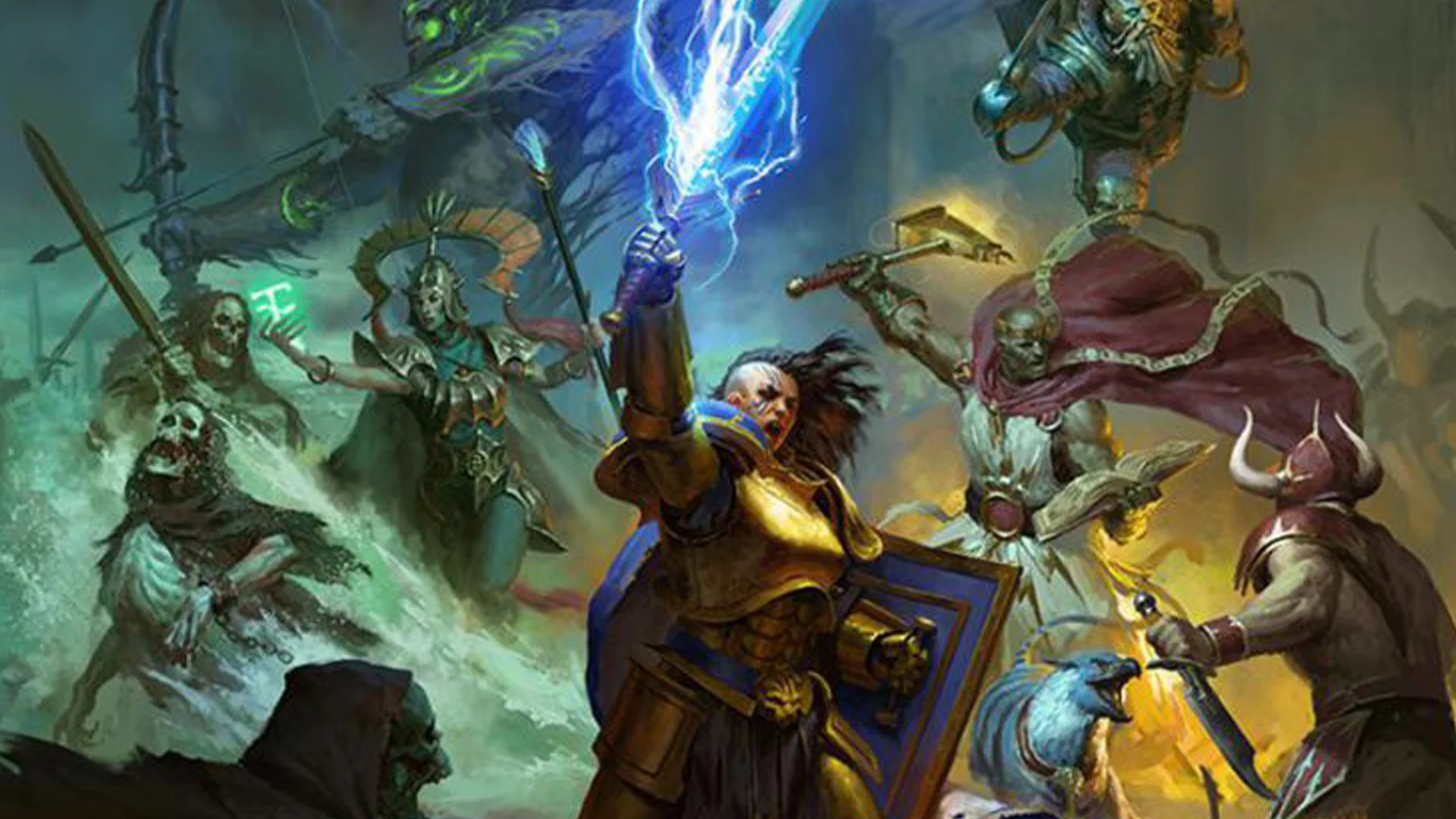
RPG Games Guides Tips Builds Lore News Upcoming Releases
RPG Games Guides Tips Builds Lore News Upcoming Releases – Role-playing games (RPGs) have become a staple in the gaming world, captivating players for decades with their deep stories, immersive worlds, and character-driven gameplay. Whether you’re a seasoned RPG veteran or just dipping your toes into this expansive genre, there’s always something new to discover. In this article, we’ll explore RPG game guides, provide tips for improving your experience, discuss optimal character builds, dive into the lore behind some of the most popular titles, and take a peek at some exciting upcoming releases that are sure to capture your attention.
The Core of RPGs: Creating Your Character and Build
RPGs are unique in that they allow you to become the hero (or villain) of your own story. These games often combine elements of exploration, combat, and puzzle-solving, all while presenting you with a narrative where your decisions matter. The variety of RPG games means that there’s something for everyone – whether you prefer turn-based combat, real-time action, or open-world exploration, there’s no shortage of choice.
When it comes to playing RPGs, one of the most important factors is the character build. In many RPGs, you get to create and customize your own character, choosing from a range of skills, attributes, and equipment. This is where knowing a bit about the game’s mechanics can make all the difference. The right character build can make the difference between breezing through the game and getting stuck on a tough boss fight.
Choosing the Right Character Build
For instance, in games like The Witcher 3, Elder Scrolls V: Skyrim, and Dark Souls, players have to carefully consider how to distribute skill points across different attributes. Focusing too much on one stat might make you powerful in one area but weak in others. Balancing your build is key to ensuring you have the versatility needed to face a variety of challenges. If you’re into combat-heavy RPGs, strength and stamina might be your focus. However, if you prefer magic or ranged attacks, intelligence, dexterity, and agility are crucial to your survival.
Mastering Game Mechanics: Crafting and Resource Management
In addition to the character build, understanding the mechanics of the game can also give you an edge. RPGs often feature crafting systems, where you can gather materials and create potions, weapons, or armor. Learning the crafting system and how to gather resources efficiently can save you a lot of time and help you stay well-equipped as you progress through the game. In games like Monster Hunter: World, crafting and resource management play a huge role in your ability to face off against increasingly difficult monsters.
The Importance of RPG Lore and World-Building
Another key aspect of RPGs is the lore. Every great RPG has a rich backstory and world-building that immerse you in its universe. Whether it’s the ancient gods of Final Fantasy, the post-apocalyptic wasteland of Fallout, or the political intrigue in The Elder Scrolls, lore is often what elevates an RPG from being just another game to being a deeply immersive experience. Understanding the world’s history and the motivations of various factions and characters can help you make sense of the decisions you’re making and the consequences they may have. It also makes the world feel alive, like your actions are truly influencing the course of history.
Player Choices: How Your Decisions Shape the Story
One of the most rewarding aspects of RPGs is the choices they present. Unlike many other genres, RPGs often allow players to make decisions that directly affect the story. These choices can range from dialogue options to moral decisions that determine the fate of characters or entire factions. Games like Mass Effect, The Witcher 3, and Divinity: Original Sin allow players to shape their own narrative, and the consequences of those decisions are often felt far beyond the initial choice. This level of player agency is part of what makes RPGs so special. Whether you’re working for the greater good or following your own selfish desires, the decisions you make feel personal and impactful.
Tips to Enhance Your RPG Experience
If you’re looking for tips to improve your RPG experience, it’s essential to pay attention to the pacing of the game. RPGs can often be long and filled with side quests, so it’s easy to get sidetracked or overwhelmed. One way to stay focused is to prioritize main story quests while tackling side quests when you need a break or want to level up your character. Additionally, exploring the world around you and interacting with NPCs can unlock hidden secrets and items that can enhance your gameplay. Sometimes the best rewards in RPGs aren’t just earned through combat but through exploration and discovery.
Exciting Upcoming RPG Releases
As with any genre, RPGs are constantly evolving, with new titles and expansions released regularly. Fans of RPGs are always on the lookout for the next big thing, and fortunately, there are plenty of exciting upcoming releases to look forward to. Titles like Starfield, the highly anticipated space RPG from Bethesda, are generating a lot of buzz. With its vast, open-world universe and promises of deep storytelling, Starfield looks set to push the boundaries of RPGs. If you’re a fan of sci-fi and exploration, this is one game that’s worth keeping an eye on.
Another highly anticipated title is Elden Ring, developed by FromSoftware. Known for its challenging gameplay and deep lore, Elden Ring combines the open-world exploration of The Elder Scrolls with the tough combat of Dark Souls. This title has already made waves in the gaming community with its beautiful art direction, intricate world-building, and promise of player freedom. If you enjoy a challenge and love uncovering hidden stories, this game should be at the top of your list.
The Social Aspect of RPGs
Of course, RPGs aren’t just about the story – they’re also about the community. Many RPGs feature multiplayer modes where you can team up with friends or strangers to tackle challenges together. Online RPGs like Final Fantasy XIV and World of Warcraft have massive player bases, and joining these communities can provide a whole new layer of enjoyment. Whether you’re coordinating with a party to defeat a raid boss or simply chatting with fellow players about the game’s lore, the social aspect of RPGs adds another layer of depth.
Conclusion: Why RPGs Will Always Captivate Players
In conclusion, RPGs remain one of the most beloved genres in gaming because of their ability to combine rich storytelling, immersive worlds, and deep gameplay mechanics. Whether you’re diving into the lore of a well-established franchise or eagerly awaiting the release of a new title, there’s always something to keep you coming back for more. By focusing on character builds, understanding the game’s mechanics, and embracing the story, you can elevate your RPG experience to new heights. So, get ready to embark on your next adventure – the world of RPGs is waiting for you.
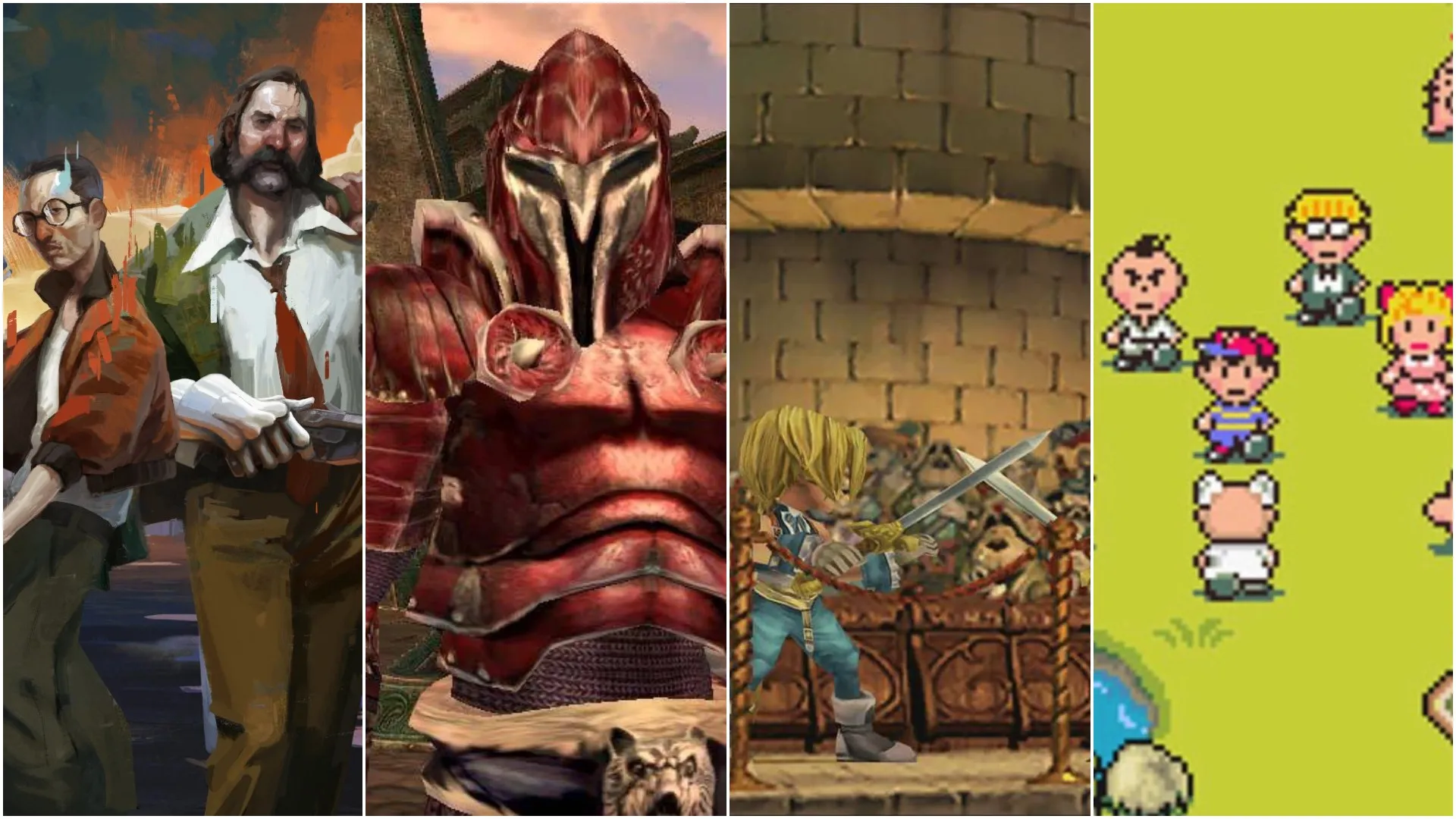
Everything About RPG Games Story Mechanics And Best Titles
Everything About RPG Games: Story, Mechanics, and Best Titles
Everything About RPG Games Story Mechanics And Best Titles – Role-playing games (RPGs) have captured the imagination of gamers for decades. These immersive experiences transport players to fantastical worlds, allowing them to take on characters, make decisions, and shape stories that unfold based on their actions. From epic battles to intricate narratives, RPGs combine storytelling and gameplay in ways few other genres can.
The Heart of RPGs: Storytelling
At the core of any great RPG is its story. Players aren’t just participating—they’re part of a living, breathing narrative. Deep lore, complex characters, and moral choices create a sense of investment and emotional connection. A well-crafted storyline keeps players engaged for hours, sometimes days, immersing them in worlds where every decision matters.
Branching Narratives and Player Choices
Modern RPGs emphasize player agency. Choices affect outcomes, character relationships, and the world itself. This branching narrative design means that no two playthroughs are exactly the same, encouraging replayability and exploration. Gamers appreciate the freedom to shape the story according to their moral compass or strategic thinking.
Gameplay Mechanics That Define RPGs
While story draws players in, mechanics keep them engaged. Combat systems, skill trees, crafting, and inventory management create challenges and opportunities for strategy. Understanding these mechanics is crucial for mastering the game and maximizing enjoyment.
Turn-Based vs Real-Time Combat
RPGs offer diverse combat styles. Turn-based systems allow players to plan each move carefully, rewarding strategic thinking. Real-time combat delivers adrenaline-pumping action, requiring reflexes and quick decision-making. Each style appeals to different types of players and adds variety to the genre.
Character Development and Progression
Leveling up, acquiring new skills, and customizing characters are central to RPGs. These systems create a sense of growth and achievement, making progression satisfying. Players invest time in building characters that reflect their preferred playstyle, adding depth to the gaming experience.
The Best RPG Titles to Explore
Over the years, RPGs have evolved, offering both classic and modern titles that appeal to fans of different preferences.
Classic RPGs
Games like Final Fantasy, Chrono Trigger, and Baldur’s Gate defined the genre, blending storytelling with strategic gameplay. Their influence remains evident in contemporary RPGs, and they are still celebrated for their narrative depth and design innovation.
Modern Hits
Modern RPGs such as The Witcher 3, Cyberpunk 2077, and Elden Ring push the boundaries of graphics, storytelling, and mechanics. Open-world exploration, detailed environments, and dynamic characters provide immersive experiences that captivate new and veteran players alike.
RPGs Beyond Entertainment
RPGs offer more than fun—they can improve cognitive skills, problem-solving, and creativity. Strategic decision-making, resource management, and moral reasoning challenge players intellectually while fostering creativity through character customization and world-building.
Social and Community Aspects
Online RPGs and multiplayer options foster community and collaboration. Players join guilds, form alliances, and participate in events together, creating a social dimension that extends beyond individual gameplay.
Conclusion
RPGs are a unique fusion of story, strategy, and creativity. With rich narratives, engaging mechanics, and unforgettable worlds, they offer experiences that go beyond traditional gaming. Whether you’re revisiting classic titles or exploring modern hits, RPGs invite players to immerse themselves fully, shaping their adventure and leaving a personal mark on the story.
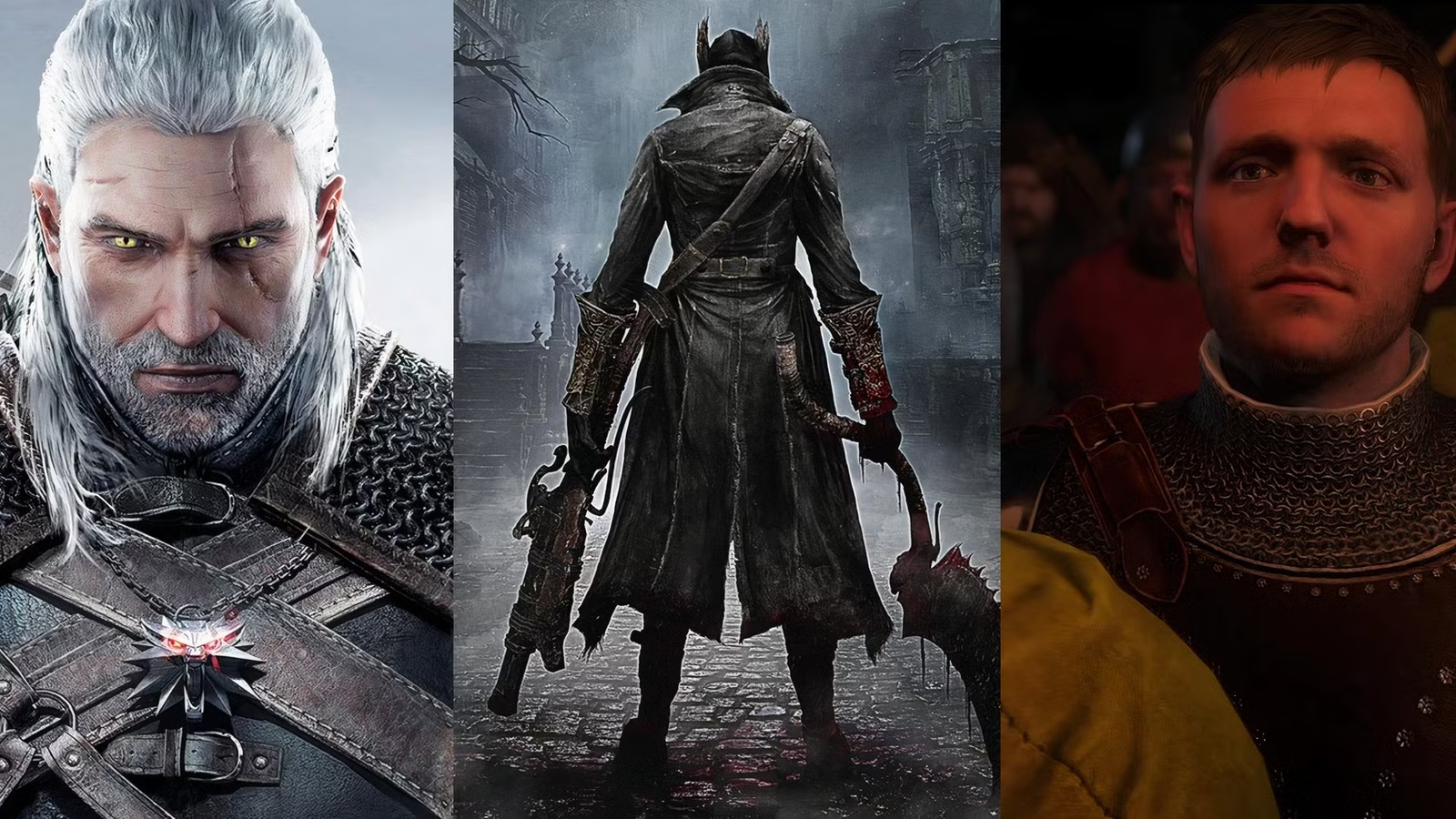
RPG Essentials: Everything About Characters Combat
Understanding the World of RPGs
RPG Essentials: Everything About Characters, Combat, and Adventure – Role Playing Games, or RPGs, have captivated players for decades with their immersive worlds, complex characters, and thrilling adventures. Whether it’s a tabletop campaign or a digital RPG, the appeal lies in the freedom to explore, create, and interact within a richly detailed universe.
RPGs offer more than entertainment—they allow players to step into the shoes of a character, make choices, and influence story outcomes. From building personalities to strategizing in combat, every element contributes to an unforgettable experience.
Characters: The Heart of Any RPG
Characters are the core of every RPG. The depth of a character determines how players interact with the game and the story. Creating or choosing the right character is a crucial first step.
Player Characters vs. Non-Player Characters
Player Characters (PCs) are the avatars that players control. These characters often have unique abilities, backstories, and progression paths. Non-Player Characters (NPCs) populate the game world, offering quests, information, and challenges. Both types are essential to creating a dynamic and engaging environment.
Character Development and Growth
RPGs excel in character progression. As players complete quests, defeat enemies, and explore, their characters gain experience points, unlock new abilities, and improve stats. This growth encourages long-term engagement and adds depth to the narrative.
Customization and Role-Playing
Many RPGs allow players to customize appearance, skills, and even moral choices. This level of control enhances immersion, letting players shape their journey and express their style within the game.
Combat Systems: Strategies and Skills
Combat is another defining feature of RPGs. From turn-based battles to real-time action, combat systems challenge players to think strategically. Mastering combat requires understanding enemy patterns, abilities, and terrain advantages.
Types of Combat
RPGs often feature varied combat styles. Turn-based combat emphasizes planning and tactical decision-making, while action RPGs focus on reflexes and timing. Some games blend both, offering a dynamic experience that keeps players on their toes.
Weapons, Magic, and Abilities
Characters wield weapons, magic, or specialized skills to defeat enemies. Choosing the right combination depends on the character’s strengths and the challenges faced. A balanced approach often leads to success, encouraging experimentation and creativity.
Teamwork and Party Dynamics
Many RPGs involve parties with multiple characters. Coordinating abilities, exploiting synergies, and managing resources is key to overcoming tougher challenges. Party dynamics enrich the gameplay, making every battle feel like a shared adventure.
Adventures: Quests, Exploration, and Storytelling
RPGs are more than combat—they’re about adventure. Exploring vast worlds, completing quests, and interacting with NPCs form the backbone of the experience.
Quest Structures
Quests provide direction and purpose, ranging from main storylines to side adventures. Completing quests rewards characters with experience, items, and new story developments. Well-designed quests also encourage players to explore the world and uncover hidden secrets.
World-Building and Exploration
Immersive worlds are a hallmark of great RPGs. Players can traverse cities, forests, dungeons, and more, discovering lore, challenges, and surprises. The sense of discovery keeps gameplay fresh and engaging, offering a mix of excitement and curiosity.
Storytelling and Player Choices
RPGs often include branching narratives where choices impact outcomes. Decisions can influence alliances, character relationships, or even the fate of the world. This level of agency makes each playthrough unique, encouraging replayability and deeper emotional investment.
Essentials for a Successful RPG Experience
For both players and developers, certain elements define a successful RPG:
- Character depth: Well-crafted characters enhance immersion and engagement.
- Balanced combat: Challenges should be fair but stimulating, rewarding strategy and skill.
- Rich world-building: A detailed setting keeps players invested and curious.
- Engaging storylines: Narratives that evolve with player choices create memorable experiences.
Even simple mechanics, when combined with compelling storytelling and exploration, can transform an RPG into a captivating journey.
The Appeal of RPGs Across Audiences
RPGs attract a wide range of players, from casual gamers to dedicated enthusiasts. Their combination of strategy, creativity, and storytelling appeals to those who enjoy immersive experiences. RPGs also foster community, as players discuss strategies, share stories, and collaborate in multiplayer settings.
Digital vs. Tabletop RPGs
While digital RPGs provide visual immersion and real-time interaction, tabletop RPGs like Dungeons & Dragons emphasize imagination, social interaction, and collaborative storytelling. Both formats share the core elements of characters, combat, and adventure, offering unique experiences for different audiences.
Lifelong Engagement
RPGs encourage long-term engagement through progression, collectibles, and evolving narratives. Players often form emotional connections with their characters and worlds, making RPGs not just games but personal journeys and experiences.
Conclusion: Embrace the RPG Adventure
RPGs combine the thrill of combat, the depth of character development, and the excitement of exploration. Whether you’re battling monsters, uncovering hidden treasures, or making critical story decisions, every element contributes to an unforgettable adventure.
Understanding the essentials of characters, combat, and adventure enhances the RPG experience, allowing players to fully immerse themselves in these rich, imaginative worlds. From creating your perfect character to mastering combat strategies and exploring vast landscapes, RPGs offer endless possibilities for adventure, creativity, and storytelling.
For anyone looking to dive into immersive gameplay, mastering the essentials of RPGs is the first step toward unforgettable journeys and epic tales.
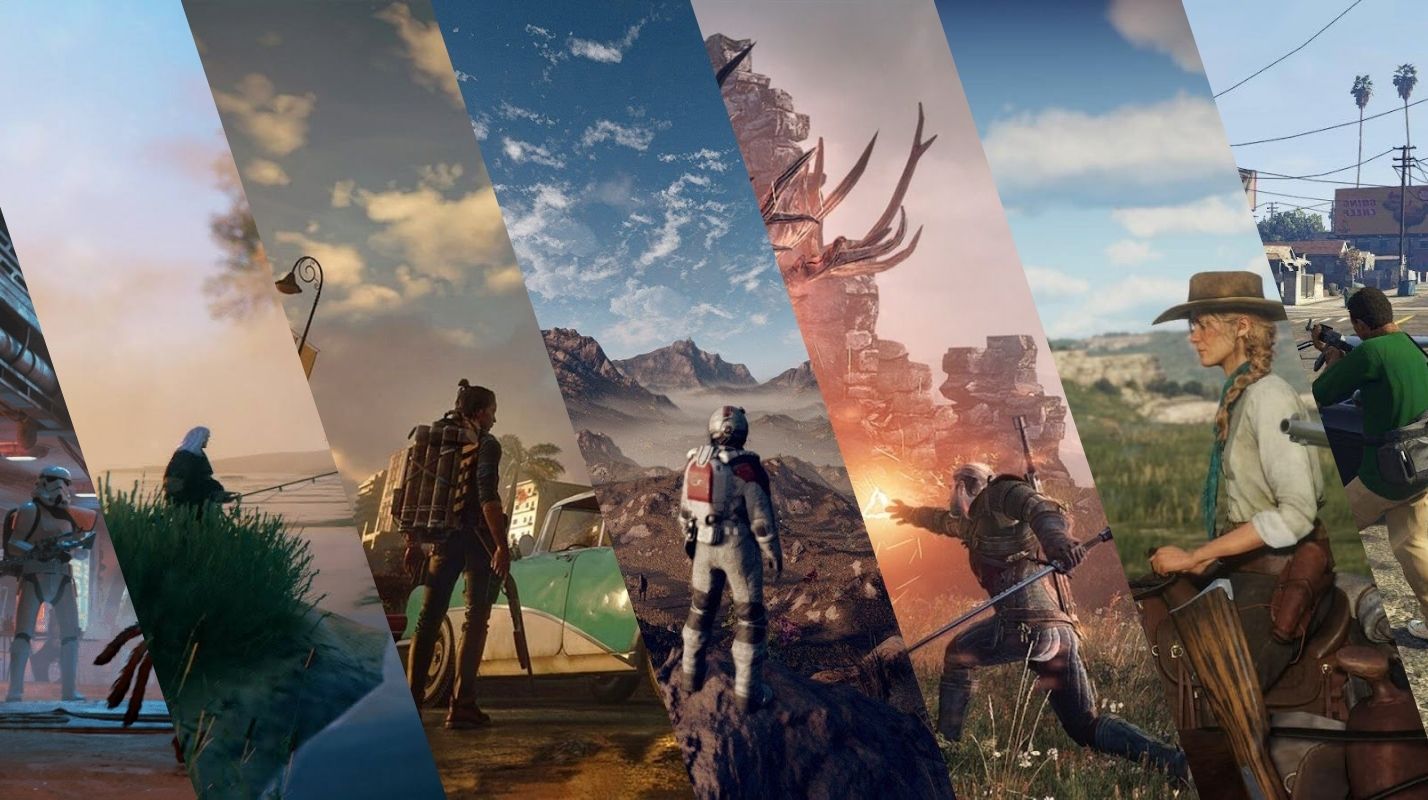
Discover Top Best RPG Games For PC Console And Mobile
Discover Top Best RPG Games For PC Console And Mobile In 2026 – RPG games have always been one of the most exciting genres in gaming, and in 2026, they feel better than ever. With powerful hardware, smarter game design, and more creative developers, RPG experiences on PC, console, and mobile continue to evolve. No matter which platform you prefer, there are incredible RPG worlds waiting to be explored this year.
From massive open-world adventures to story-focused mobile titles, RPG games in 2026 offer variety, depth, and freedom. This is the perfect time to rediscover why role-playing games remain so popular across all platforms.
Why RPG Games Continue to Grow in Popularity
One of the biggest reasons RPG games stay relevant is their ability to adapt. In 2026, RPGs are no longer limited by platform. PC, console, and mobile players can all enjoy deep stories, character customization, and meaningful progression.
Players want more than quick entertainment. They want stories they can connect with, worlds they can explore, and characters that grow with them. RPG games deliver all of that in a way few other genres can.
PC RPG Games That Push Boundaries
PC remains one of the best platforms for RPG fans. In 2026, PC RPG games take full advantage of powerful hardware, offering large open worlds, detailed graphics, and complex systems.
Many PC RPGs allow players to customize their experience deeply, from graphics settings to gameplay mods. This flexibility makes PC RPGs perfect for players who enjoy long sessions and total immersion. Story depth, side quests, and expansive maps continue to be major strengths of RPG games on PC.
Console RPG Experiences That Feel Cinematic
Console RPG games in 2026 focus heavily on storytelling and presentation. These games often feel like interactive movies, with strong voice acting, detailed animations, and emotional storylines.
Playing RPGs on console offers a smooth and comfortable experience, especially for players who enjoy relaxing on the couch while diving into long adventures. Console RPGs balance accessibility with depth, making them appealing to both casual players and dedicated RPG fans.
Mobile RPG Games Are More Impressive Than Ever
Mobile RPG games have come a long way. In 2026, mobile devices are capable of running RPG games that once seemed impossible on small screens. Developers now design mobile RPGs with rich stories, polished visuals, and satisfying gameplay loops.
Mobile RPGs are perfect for players who want to enjoy role-playing experiences on the go. Whether you have a few minutes or a long commute, mobile RPG games provide meaningful progress without feeling shallow.
Cross-Platform RPG Games Bring Players Together
Cross-platform RPG games are becoming more common in 2026. These titles allow players on PC, console, and mobile to share the same world. This makes RPG communities stronger and more connected.
Cross-platform support also means you can continue your progress across different devices. This flexibility is a huge advantage for modern players who switch between platforms throughout the day.
Storytelling Is the Heart of Modern RPGs
No matter the platform, storytelling remains the core of RPG games in 2026. Developers focus on creating narratives that respond to player choices, making each playthrough feel personal.
Characters are written with depth, and dialogue feels more natural. Players are no longer just following a story but actively shaping it through decisions and actions. This emotional connection is what keeps players invested in RPG games for hours.
RPG Combat Systems Continue to Evolve
Combat in RPG games has become more refined across all platforms. Action RPGs offer smooth, fast-paced battles, while turn-based RPGs focus on strategy and planning.
In 2026, many RPGs blend different combat styles, giving players more freedom in how they approach fights. This variety keeps gameplay fresh and engaging, no matter how long you play.
Indie RPG Games Across All Platforms
Indie RPG developers play a huge role in keeping the genre creative. In 2026, indie RPG games appear on PC, console, and mobile, offering unique ideas and fresh perspectives.
These games often focus on storytelling, atmosphere, and experimental mechanics. Many players discover their favorite RPG experiences through indie titles that deliver quality without massive budgets.
Choosing the Best RPG Platform for You
Choosing between PC, console, and mobile depends on your lifestyle and preferences. PC is ideal for deep customization and long play sessions. Consoles offer cinematic experiences with comfortable gameplay. Mobile provides flexibility and accessibility for gaming on the go.
The good news is that RPG games in 2026 are strong on every platform, so there is no wrong choice.
Final Thoughts on the Best RPG Games in 2026
RPG games in 2026 prove that the genre is far from slowing down. With powerful storytelling, evolving combat systems, and availability across PC, console, and mobile, RPGs offer something for every type of player.
If you are looking to discover the top best RPG games this year, now is the perfect time to explore new worlds, create unforgettable characters, and experience stories that stay with you long after the game ends.

The Best RPG Games You Absolutely Must Play In 2026 Full List
The Best RPG Games You Absolutely Must Play In 2026 Full List Now – RPG games continue to grow in popularity because they offer experiences that feel personal. In 2026, the genre feels more mature and polished. Developers focus on building worlds that react to player choices, making every playthrough feel different. This is why many gamers still choose RPGs over faster, more casual genres.
Modern RPGs are no longer just about leveling up. They are about storytelling, exploration, and creating a character that truly feels like your own.
Fantasy RPG Worlds That Pull You In
Fantasy RPG games remain the heart of the genre. Magical worlds filled with castles, forests, and mysterious creatures give players a sense of adventure that never gets old. In 2026, these fantasy settings feel more alive thanks to smarter NPC behavior and detailed environments.
Players are free to explore at their own pace, uncover hidden quests, and shape their journey through meaningful decisions. This sense of freedom is what keeps fantasy RPG fans coming back year after year.
Story-Driven RPG Games With Real Emotional Impact
Some of the best RPG games in 2026 focus heavily on storytelling. These games take their time to develop characters and relationships, allowing players to connect emotionally with the story.
Dialogue choices matter, and decisions often come with consequences that affect the world around you. These RPGs are perfect for players who enjoy slow, immersive experiences where the story stays with them long after the game ends.
Action RPGs Deliver Faster and More Intense Gameplay
Action RPG games are more refined than ever in 2026. Combat feels smooth and responsive, rewarding players who master timing and skill combinations. Progression is no longer just about numbers but about unlocking abilities that change how you play.
This balance between action and RPG systems makes these games appealing to players who want excitement without losing depth.
The Comeback of Classic Turn-Based RPGs
Turn-based RPGs have found new life in 2026. Many modern titles bring back classic mechanics while improving visuals and pacing. These games focus on strategy and careful planning rather than quick reflexes.
For players who enjoy tactical combat and thoughtful gameplay, turn-based RPGs offer a satisfying alternative to action-heavy titles.
Sci-Fi RPG Games Offer a Fresh Perspective
Sci-fi RPGs continue to expand the genre beyond fantasy. Set in futuristic worlds, these games explore themes like technology, power, and human identity. Players are often placed in morally complex situations where there is no clear right or wrong answer.
In 2026, sci-fi RPG games feel deeper and more relevant, making them a great choice for players looking for something different.
Indie RPG Games Worth Your Attention
Indie RPG games play an important role in the genre. Smaller developers often take creative risks, resulting in unique stories and gameplay ideas. While these games may not always be visually massive, they often deliver strong narratives and memorable experiences.
Many hidden gems in 2026 come from indie studios that focus on passion rather than trends.
Multiplayer RPG Experiences Continue to Improve
Multiplayer RPG games have evolved significantly. Instead of focusing only on grinding, modern online RPGs emphasize shared adventures and meaningful progression. Playing with friends feels more natural and rewarding.
Co-op RPGs in 2026 allow players to explore worlds together while still enjoying personal character growth.
Choosing the Right RPG Game for Your Playstyle
With so many RPG games available in 2026, choosing the right one depends on what you enjoy most. Some players love open exploration, while others prefer strong narratives or challenging combat systems.
Understanding your playstyle makes it easier to find an RPG that keeps you engaged for the long term.
Final Thoughts on the Best RPG Games in 2026
2026 is a fantastic year for RPG fans. The genre continues to evolve while staying true to its roots. RPG games now offer deeper stories, better gameplay, and worlds that feel more alive than ever.
If you are searching for an RPG experience that truly stands out, this year offers plenty of unforgettable adventures worth exploring.