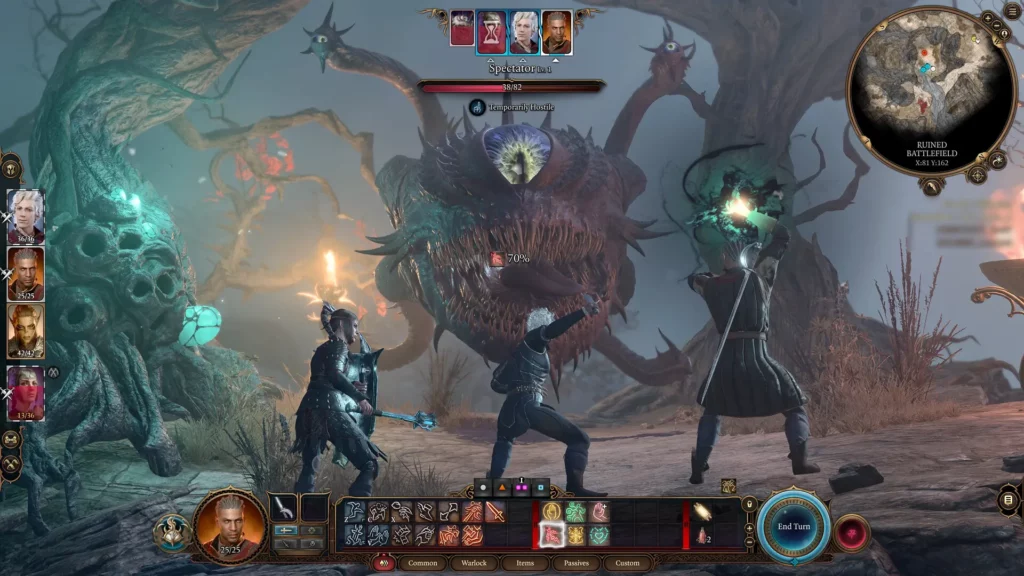
Deep Dive into Role-Playing Games and Fantasy Worlds
Deep Dive into Role-Playing Games and Fantasy Worlds – Role-playing games (RPGs) have captivated players for decades, offering a unique escape into fantastical worlds full of adventure, magic, and endless possibilities. Whether you are a seasoned gamer or a curious newcomer, understanding the depth and appeal of RPGs can give you a fresh perspective on why these games continue to thrive.
The Allure of Role-Playing Games
Role-playing games are more than just entertainment; they are an experience. Players step into the shoes of a character, making choices that shape the story and influence the outcome. This level of immersion is one of the key reasons why RPGs have become so popular. Unlike linear games where the storyline is fixed, RPGs allow for personal expression and creativity.
The beauty of RPGs lies in their flexibility. You might find yourself leading a party of heroes through treacherous dungeons, negotiating peace between warring kingdoms, or uncovering ancient secrets hidden in forgotten ruins. Each choice, big or small, carries weight, and that makes every session unique.
Exploring Different Types of RPGs
RPGs come in many forms, each offering a distinct experience. Tabletop RPGs, such as Dungeons & Dragons, provide an in-person, social experience where imagination drives the narrative. Players collaborate to build stories, guided by a game master who controls the world and challenges. The tactile element of rolling dice and mapping out worlds adds an extra layer of engagement.
Video game RPGs, on the other hand, allow for a more visual and interactive experience. Games like The Witcher, Final Fantasy, and Skyrim immerse players in richly detailed worlds, where decisions can impact entire kingdoms. Many of these games feature open-world exploration, letting players wander freely and uncover hidden treasures, side quests, and lore that make the world feel alive.
There are also hybrid RPGs, which combine elements of tabletop and digital experiences. These games often include deep storytelling, customizable characters, and multiplayer components, offering a balance between structured gameplay and freedom.
World-Building in Fantasy RPGs
One of the most fascinating aspects of RPGs is the art of world-building. A compelling fantasy world is more than just scenery; it’s a living ecosystem with its own history, politics, cultures, and conflicts. Players can explore vast landscapes, from enchanted forests to bustling cities, each filled with characters, creatures, and mysteries.
Creating a fantasy world requires careful attention to detail. Successful RPGs include well-developed lore, a logical progression of events, and believable motivations for both heroes and villains. Even minor elements, like currency systems, languages, and local traditions, contribute to the sense of immersion. When a world feels real, players are more likely to invest emotionally in the story and their characters.
Character Development and Player Agency
At the heart of every RPG is the player’s character. Developing a character is an exciting process that blends imagination with strategy. Players often choose from different classes or archetypes, such as warriors, mages, or rogues, each with unique abilities and strengths. Beyond stats and skills, role-playing encourages players to explore their character’s personality, motivations, and relationships.
The choices players make are what make RPGs special. Decision-making can affect not only the character’s fate but also the larger world around them. A single action, like sparing an enemy or forming an alliance, can trigger consequences that ripple through the story. This sense of agency keeps players engaged and invested, as every decision feels meaningful.
Social Dynamics and Community
RPGs are often social experiences, whether played in-person or online. Tabletop games encourage teamwork, negotiation, and creative problem-solving, while online RPGs foster global communities where players collaborate, compete, and share experiences. These social aspects add another layer of depth to the game, as friendships, rivalries, and memorable moments are forged within the virtual or imagined world.
Many players find that participating in RPG communities extends beyond gameplay. Forums, fan art, podcasts, and fan fiction allow enthusiasts to connect and explore the worlds they love even further. This sense of belonging can be especially rewarding, making RPGs not just a game but a shared cultural experience.
Why Fantasy Worlds Continue to Captivate
Fantasy worlds offer an escape from the ordinary. They allow players to explore possibilities beyond the limits of real life, to be heroes, strategists, or scholars in universes of their own choosing. The combination of adventure, creativity, and social interaction makes RPGs uniquely satisfying.
Additionally, fantasy settings often explore themes that resonate universally, such as courage, friendship, and the struggle between good and evil. Players can experiment with moral choices, explore different philosophies, and even reflect on their own values through the lens of the game.
The immersive quality of fantasy RPGs also encourages critical thinking and problem-solving. Quests often require strategy, resource management, and teamwork, giving players a sense of accomplishment when challenges are overcome. These experiences are rewarding not just for entertainment but for personal growth and skill development.
The Future of RPGs and Fantasy Worlds
As technology evolves, so do RPGs. Virtual reality (VR) and augmented reality (AR) are pushing the boundaries of immersion, allowing players to physically step into their fantasy worlds. Procedural generation and AI-driven narratives are creating more dynamic and personalized experiences, ensuring that no two adventures are ever exactly alike.
Yet, despite technological advances, the core appeal of RPGs remains the same: storytelling, choice, and imagination. Whether through pen-and-paper adventures or cutting-edge VR experiences, RPGs will continue to offer players a chance to escape, explore, and create.
Conclusion
Role-playing games and fantasy worlds provide a rich tapestry of adventure, creativity, and community. They allow players to live out stories, explore new realms, and shape their own destinies. From intricate world-building and character development to social interaction and immersive storytelling, RPGs offer something for everyone.
For anyone looking to understand the magic of RPGs, it’s clear that the experience is about more than just gameplay. It’s about exploration, imagination, and connection. Stepping into a fantasy world is stepping into a space where anything is possible, and that timeless appeal ensures that RPGs will remain a beloved pastime for generations to come.