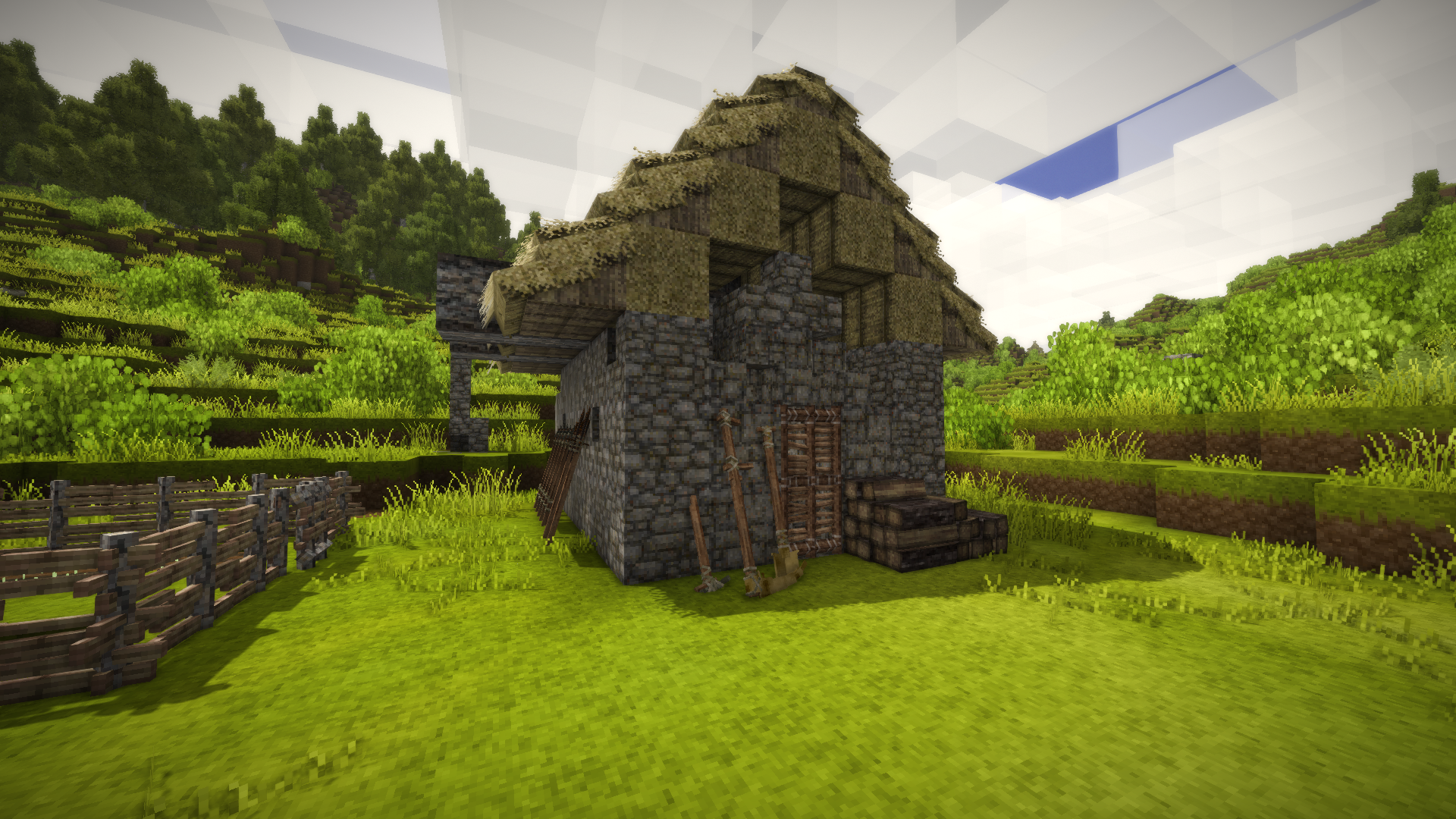
Exploring Underground Modding’s Impact on Official Game Lore
Exploring Underground Modding’s Impact on Official Game Lore – The gaming world has always thrived on creativity. While developers build the foundations, players often take those worlds even further. One of the most fascinating parts of gaming culture is underground modding — a community-driven movement where fans modify existing games to create new stories, mechanics, and experiences. Over time, underground modding has done more than just tweak gameplay. In many cases, it has influenced official game lore, shaped developer decisions, and expanded fictional universes in ways no one expected.
For players who spend time exploring modding communities, it quickly becomes clear that mods are not just technical experiments. They are storytelling tools. Modders reinterpret characters, expand forgotten plotlines, and sometimes even rewrite entire timelines. As a result, the relationship between modding communities and official developers has become far more complex and interesting.
The Rise of Underground Modding Communities
Underground modding did not appear overnight. In the early days of PC gaming, players started modifying files simply to change textures, weapons, or character models. What began as small adjustments soon evolved into full-scale projects that added new maps, quests, and narratives.
As internet forums and file-sharing platforms grew, modding communities became more organized. Passionate gamers collaborated across countries, sharing code, assets, and ideas. These communities often operated outside official developer channels, which is why the term “underground modding” became popular.
The appeal was obvious. Players could explore alternate versions of their favorite game worlds without waiting for official expansions. A single mod could introduce new factions, hidden lore, or alternate endings. Over time, these fan-created additions started shaping how players understood the original game narrative.
When Fan Stories Expand the Universe
One of the most powerful aspects of modding is storytelling freedom. Developers usually work within strict production timelines and budgets. Modders, on the other hand, create purely out of passion. This freedom allows them to explore narrative ideas that might never appear in official releases.
In many popular games, modders have built entire lore extensions. They design new regions, develop side characters, and craft complex questlines that feel deeply connected to the original universe. Sometimes these stories become so popular that players begin to treat them as unofficial canon.
When thousands of players experience the same modded storyline, it naturally becomes part of the broader discussion about a game’s lore. Even if developers never officially acknowledge it, the mod still influences how the community interprets the game world.
Modding as a Creative Testing Ground
Another important role of underground modding is experimentation. Modders often test narrative concepts or gameplay systems that developers might consider too risky. Because mods are distributed freely and updated quickly, creators can refine ideas based on community feedback.
This environment turns modding communities into unofficial research labs for game design. If a mod introduces a new lore direction that players love, developers may notice the popularity and explore similar ideas in future releases.
Many game studios monitor modding communities quietly. They observe which stories resonate with players and which concepts generate discussion. In this way, underground modding sometimes acts as an early indicator of what fans want from the official storyline.
When Mods Inspire Official Game Lore
The line between fan creations and official content has occasionally blurred. In some cases, developers have directly adopted ideas that originated in mods. This does not always happen intentionally, but strong community engagement can influence creative decisions.
Developers may notice recurring themes within the modding scene. Perhaps players keep expanding a specific character’s backstory or building narratives around an unexplored region of the map. When these ideas gain momentum, they signal an opportunity for official storytelling.
Some game studios have even hired modders after recognizing their talent. When this happens, fan creators bring their ideas into the official development process. The transition from underground modder to professional developer has become increasingly common in modern gaming.
The Debate Over Canon and Fan Interpretation
Not everyone agrees on how modding should interact with official lore. Some players prefer a strict definition of canon, where only developer-approved stories count as part of the narrative. Others enjoy the freedom that mods provide and see them as legitimate expansions of the game universe.
This debate reflects a deeper question about storytelling in interactive media. Unlike books or films, games allow players to shape their experience. Mods simply push that idea further by letting the community participate in worldbuilding.
As a result, many gaming communities treat modded lore as an alternate layer of interpretation. It may not replace the official story, but it enriches the overall experience. Players can explore multiple perspectives on the same fictional world.
Why Developers Are Becoming More Mod-Friendly
In the past, some developers viewed modding as a threat to their creative control. Today, the attitude has changed dramatically. Many studios now release modding tools or support community-created content.
There are several reasons for this shift. First, modding keeps games alive for years after release. A strong modding community can extend a game’s lifespan far beyond its original launch window. Second, modders often discover new ways to use existing systems, revealing possibilities the developers never considered.
Most importantly, modding communities represent some of the most dedicated fans. By supporting modders, developers strengthen their relationship with the player base and encourage ongoing engagement with the game world.
Underground Mods and the Evolution of Gaming Culture
Underground modding is no longer a niche hobby. It has become a major part of gaming culture. Entire communities revolve around sharing mods, reviewing fan-made content, and discussing alternative storylines.
For many players, discovering a great mod feels like uncovering hidden content within a beloved game. It creates a sense of exploration beyond the official experience. This constant reinvention keeps classic titles relevant long after their initial popularity fades.
The influence of modding also extends beyond individual games. Many modern developers grew up experimenting with mods themselves. Their early experiences in fan communities often shape how they approach storytelling and game design later in their careers.
The Future of Modding and Game Lore
Looking ahead, the relationship between underground modding and official game lore will likely become even closer. As game engines become more accessible and modding tools improve, the barrier to entry continues to shrink.
New generations of players are not just consuming content; they are creating it. Mods allow them to actively participate in the evolution of their favorite game worlds. This collaborative relationship between developers and communities could redefine how game narratives develop in the future.
Rather than existing as separate forces, official studios and underground modders are gradually becoming part of the same creative ecosystem. Developers build the foundation, while passionate fans expand the universe in unexpected directions.
In the end, underground modding proves that storytelling in games does not belong to developers alone. The community plays a vital role in shaping how those worlds grow, evolve, and remain alive for years to come.
Hot News!
Lihat pembaruan melalui https://togel279d.com/ setiap hari.
Jika bosan dengan game online yang monoton, coba tantangan angka situs toto menarik di Togel178.