Designing Meaningful Progression in RPGs
Designing Meaningful Progression in RPGs – Designing meaningful progression in RPGs is one of the most important elements in creating a game that players genuinely care about. Progression is more than just leveling up or unlocking new skills. It is the emotional journey players experience as they grow stronger, smarter, and more connected to the game world. When progression feels rewarding and purposeful, players stay engaged for dozens or even hundreds of hours.
In role-playing games, progression systems define how players interact with challenges, storylines, and character development. A well-designed progression loop keeps players motivated, while a poorly designed one can quickly lead to boredom. For developers, understanding how to craft meaningful RPG progression is the key to long-term player retention and positive community feedback.
Why Progression Matters in RPG Games
Progression in RPG games gives players a sense of achievement. Every level gained, every skill unlocked, and every piece of equipment earned represents time and effort invested. Without a clear and satisfying progression system, even the most visually stunning RPG can feel empty.
Players expect growth. They want to feel that their character evolves over time, both in power and in identity. When progression systems are carefully balanced, they provide a steady rhythm of reward. Too fast, and the experience feels shallow. Too slow, and players lose motivation. The right pacing creates anticipation and satisfaction at the same time.
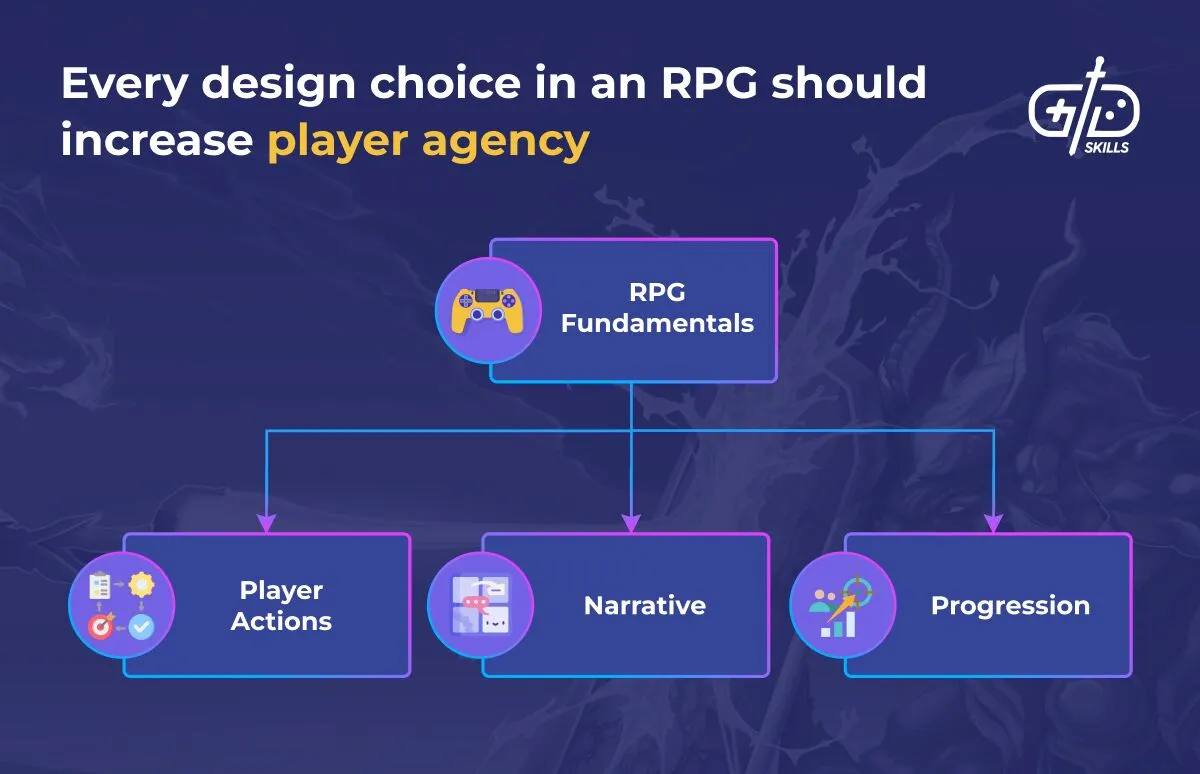
Another critical aspect is player agency. Meaningful progression in RPGs allows players to shape their own journey. Instead of forcing a single path, great RPG design gives players multiple ways to develop their character. Whether they choose a combat-focused build, a stealth approach, or a magic-heavy strategy, progression should support those choices.
Core Elements of Meaningful RPG Progression
To design effective progression systems, developers must focus on several core elements. These elements work together to create a cohesive and rewarding experience.
Clear Goals and Rewards
Players need clear short-term and long-term goals. Short-term goals might include completing quests, defeating bosses, or collecting specific items. Long-term goals often revolve around reaching higher levels, unlocking advanced skills, or achieving rare gear sets.
Rewards should feel proportional to the effort required. If players spend hours completing a difficult dungeon, the payoff must feel worthwhile. Meaningful rewards do not always have to be powerful items. Sometimes, unlocking a new area or discovering story content can be just as satisfying.
Transparency also plays a role. When players understand how the progression system works, they can plan their builds and strategies more effectively. Confusing systems often lead to frustration instead of engagement.
Character Customization and Identity
Character progression is not only about numbers. It is about identity. When players invest time in customizing their characters, they form a stronger emotional connection to the game.
Skill trees, attribute points, and specialization paths should encourage experimentation while maintaining balance. A meaningful progression system allows different builds to be viable. If only one path is optimal, the system becomes restrictive rather than empowering.
RPG character development should reflect player choices in noticeable ways. New abilities should open up different playstyles or strategies. For example, unlocking a stealth ability should genuinely change how missions can be approached, not just slightly adjust damage values.
Balancing Challenge and Growth
One of the biggest challenges in designing meaningful progression in RPGs is maintaining balance between difficulty and player power. As characters grow stronger, enemies and obstacles must scale appropriately.
If enemies remain static while the player becomes overwhelmingly powerful, the game loses tension. On the other hand, if enemies scale too aggressively, progression feels pointless because the player never truly feels stronger.
A well-designed RPG progression system ensures that growth feels tangible. Players should notice improvements in survivability, damage output, and strategic options. Boss fights should test newly acquired skills, reinforcing the value of progression.
Pacing is equally important. Introducing too many new mechanics at once can overwhelm players. Gradual unlocks allow players to master each system before moving on to the next layer of complexity.
The Role of Story in RPG Progression
Narrative progression plays a major role in meaningful RPG design. Story and gameplay should work together rather than exist separately. When character growth aligns with story development, the experience becomes more immersive.
For example, gaining a new ability after a significant story event can feel more impactful than unlocking it randomly. Players associate their character’s growth with emotional milestones in the narrative.
Quests also serve as progression tools. Side quests can provide experience points and rewards, but they should also contribute to world-building. Meaningful side content makes the world feel alive and gives players additional reasons to explore.
When progression systems are integrated with storytelling, players feel that their actions matter. This sense of purpose enhances overall engagement and encourages long-term play.
Avoiding Common Progression Design Mistakes
While designing RPG progression systems, there are several common mistakes that developers should avoid. One of the biggest issues is excessive grinding. If players are forced to repeat the same activities just to level up, the experience becomes repetitive and frustrating.
Another mistake is meaningless stat inflation. Increasing numbers without changing gameplay dynamics can make progression feel shallow. Instead of simply boosting damage or health, developers should focus on unlocking new mechanics, abilities, or strategies.
Overcomplicated systems can also harm player experience. While depth is important, clarity should never be sacrificed. Players should understand how their choices impact performance and growth.
Finally, ignoring player feedback can weaken progression systems over time. Monitoring player behavior and adjusting balance ensures that progression remains satisfying and fair.
Creating Long-Term Engagement Through Progression
Meaningful progression in RPGs is closely tied to long-term engagement. Players who feel rewarded for their time investment are more likely to continue playing and recommend the game to others.
Endgame content plays a significant role here. Once players reach maximum level, progression should not simply stop. Advanced challenges, rare equipment, and new story arcs can keep the experience fresh.
Live updates and expansions can also extend progression systems. Introducing new skills, areas, or mechanics helps maintain interest without disrupting the core balance of the game.
Ultimately, designing meaningful progression in RPGs requires a deep understanding of player motivation. Players seek growth, recognition, and a sense of accomplishment. When progression systems support these desires, the game becomes more than just entertainment. It becomes an experience that players remember long after they finish playing.