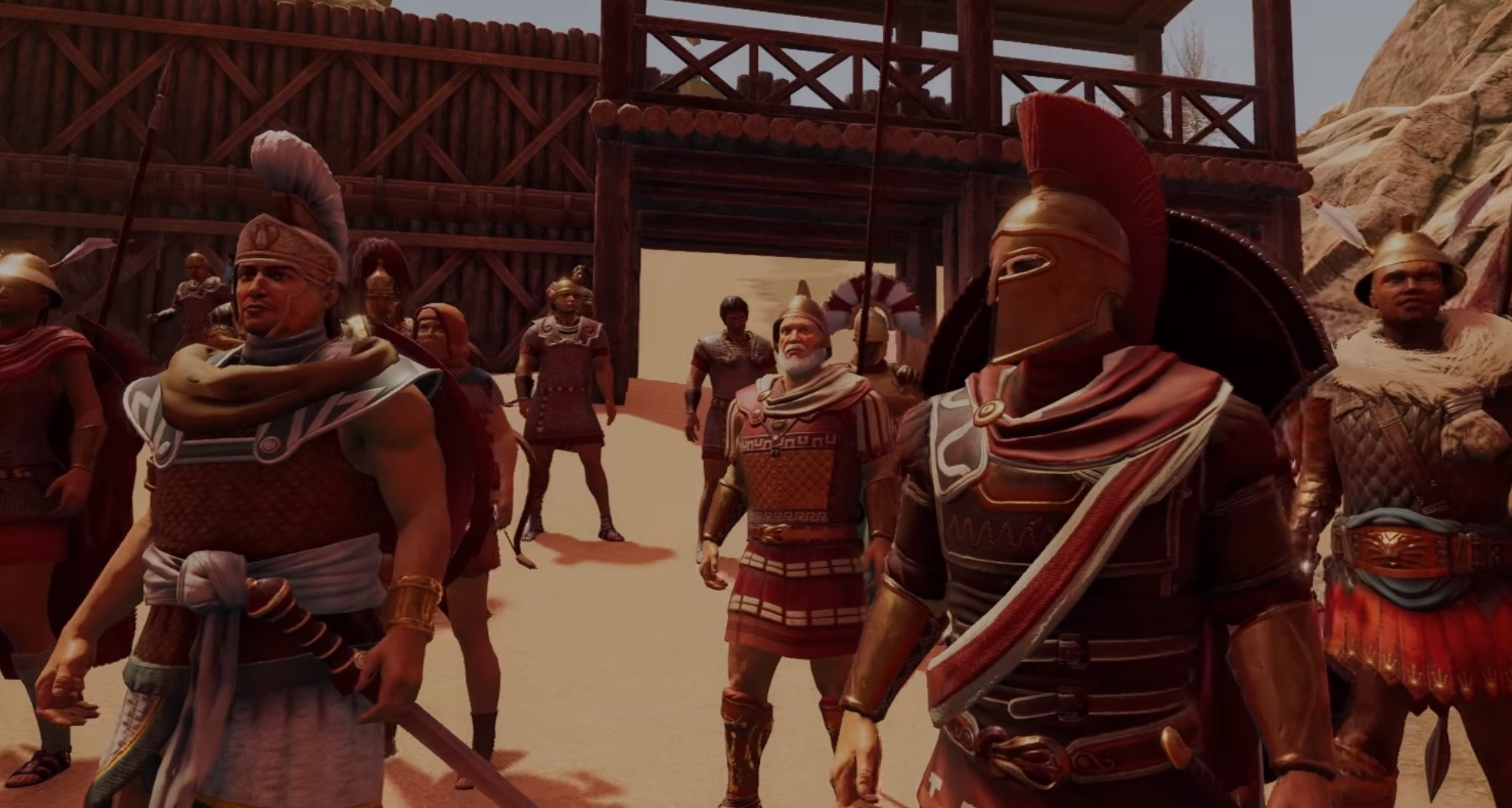
RPG Adventures Set in the Glory of Ancient Rome
RPG Adventures Set in the Glory of Ancient Rome – Role-playing games have always had a special way of transporting players into different eras, but few settings feel as grand and dramatic as Ancient Rome. When it comes to RPG adventures set in the glory of Ancient Rome, the atmosphere is instantly rich with political intrigue, epic warfare, mythological undertones, and larger-than-life characters. From the bustling streets of the Forum to the blood-soaked sands of the Colosseum, Rome offers a powerful backdrop that blends history and fantasy in unforgettable ways.
Ancient Rome is not just another historical setting. It represents ambition, conquest, betrayal, honor, and power. For players who crave immersive storytelling, RPG adventures in this era provide endless possibilities. Whether you imagine yourself as a loyal legionary, a cunning senator, a rebellious slave, or even a gladiator fighting for freedom, the Roman world is filled with narrative potential.
Why Ancient Rome Is Perfect for RPG Adventures
One of the main reasons RPG adventures set in the glory of Ancient Rome work so well is the depth of the historical context. The Roman Empire stretched across continents, connected cultures, and influenced politics and warfare for centuries. That scale alone creates a massive playground for storytelling.
In many RPGs, players seek meaningful choices. Ancient Rome naturally supports that. Political alliances shift constantly, emperors rise and fall, and loyalty can mean survival or death. Imagine navigating the dangerous politics of the Senate, where a single whispered rumor can change the fate of a province. The historical setting makes every decision feel heavier and more realistic.
Another reason this era shines is its balance between realism and myth. While Rome is grounded in documented history, it also intersects beautifully with Roman mythology. Gods like Jupiter and Mars were believed to influence daily life. In an RPG setting, divine intervention, prophecies, or cursed artifacts can seamlessly fit into the storyline without breaking immersion.
Character Paths in Roman-Themed RPGs
One of the most exciting aspects of RPG adventures set in the glory of Ancient Rome is the wide range of character roles players can explore. The Roman world was layered with social classes and professions, each offering unique storytelling angles.
The Legionary’s Journey
Playing as a Roman legionary is one of the most iconic paths. The disciplined structure of the Roman army creates a natural progression system. A young recruit might start at the edge of the empire, stationed in Britannia or Germania, fighting tribal forces and surviving harsh conditions. Through bravery and strategic skill, he could rise through the ranks, eventually commanding troops and shaping the fate of entire regions.
Military campaigns in Roman RPG settings are ideal for action-driven players. Tactical battles, fort defenses, siege warfare, and loyalty conflicts within the ranks all add intensity. At the same time, moral dilemmas arise. Should a soldier follow orders blindly, or question a corrupt commander?
Gladiators and the Arena
No discussion about RPG adventures set in the glory of Ancient Rome would be complete without mentioning gladiators. Inspired by historical arenas like the Colosseum in Rome, gladiator-based campaigns bring raw emotion and survival drama to the forefront.
Players who choose this path often begin as slaves, prisoners of war, or criminals forced into combat. Every fight in the arena becomes a life-or-death spectacle. The cheering crowd, the political sponsors, and the constant risk of betrayal create a tense and cinematic experience. A gladiator RPG storyline can focus on earning freedom, seeking revenge, or becoming a legendary champion admired by the masses.
Senators, Spies, and Political Intrigue
Not all Roman RPG adventures revolve around combat. Some of the most engaging narratives take place in marble halls rather than battlefields. Political RPG campaigns allow players to step into the sandals of senators, advisors, or covert agents working behind the scenes.
The Roman Senate was a place of ambition and rivalry. In an RPG context, it becomes a strategic battlefield of words and secrets. Players may forge alliances, manipulate public opinion, or secretly plot against an emperor. Espionage missions, coded messages, and hidden conspiracies bring a different kind of tension, focusing more on intellect than swordplay.
This political layer makes RPG adventures set in the glory of Ancient Rome especially appealing to players who enjoy complex storytelling. Power in Rome was never simple, and that complexity translates beautifully into role-playing narratives.
Blending History and Fantasy
A strong advantage of Roman-themed RPG adventures is the flexibility between historical realism and fantasy elements. Some campaigns stick closely to real historical events, such as the rise of Julius Caesar or the reign of Augustus. Others weave in mythical creatures, divine powers, or secret cults hidden within the empire.
In a fantasy-leaning RPG, Roman soldiers might battle supernatural beasts beyond the empire’s borders. A cursed relic from a conquered land could threaten the capital itself. Priests of ancient gods might wield mysterious powers, blurring the line between faith and magic.
This blend allows game creators and players to tailor their experience. Those who prefer grounded historical drama can focus on authentic military strategy and political maneuvering. Meanwhile, players who crave magical elements can explore temples, prophecies, and divine quests.
Expanding the World Beyond Rome
While the city of Rome itself is a powerful setting, the empire’s vast territory opens even more opportunities. RPG adventures set in the glory of Ancient Rome do not need to remain within the capital. The empire stretched from North Africa to the British Isles, offering diverse landscapes and cultures.
Campaigns could take players to the deserts of Egypt, where ancient mysteries predate Roman rule. They might venture into the forests of Germania, where tribal warriors resist imperial expansion. Coastal provinces, mountain fortresses, and bustling trade ports all add variety to gameplay and storytelling.
This geographic diversity enhances replay value. Every province feels distinct, yet still connected to the overarching power of Rome. The sense of scale reinforces the idea that players are part of something massive and historically significant.
The Enduring Appeal of Roman RPG Adventures
The reason RPG adventures set in the glory of Ancient Rome continue to attract players is simple: the era feels alive. The stakes are high, the characters are ambitious, and the world is filled with tension. Few settings combine military might, political scheming, cultural richness, and mythological depth so effectively.
For SEO-focused content creators and gaming enthusiasts alike, Ancient Rome remains a keyword-rich and highly engaging theme. The combination of “RPG adventures,” “Ancient Rome,” “Roman Empire,” “gladiators,” and “legionaries” creates strong relevance for search visibility while still delivering compelling storytelling.
At its heart, a Roman RPG is about power and identity. Are you loyal to the empire or secretly plotting its downfall? Do you fight for glory, freedom, wealth, or revenge? In the world of Ancient Rome, every path carries consequences.