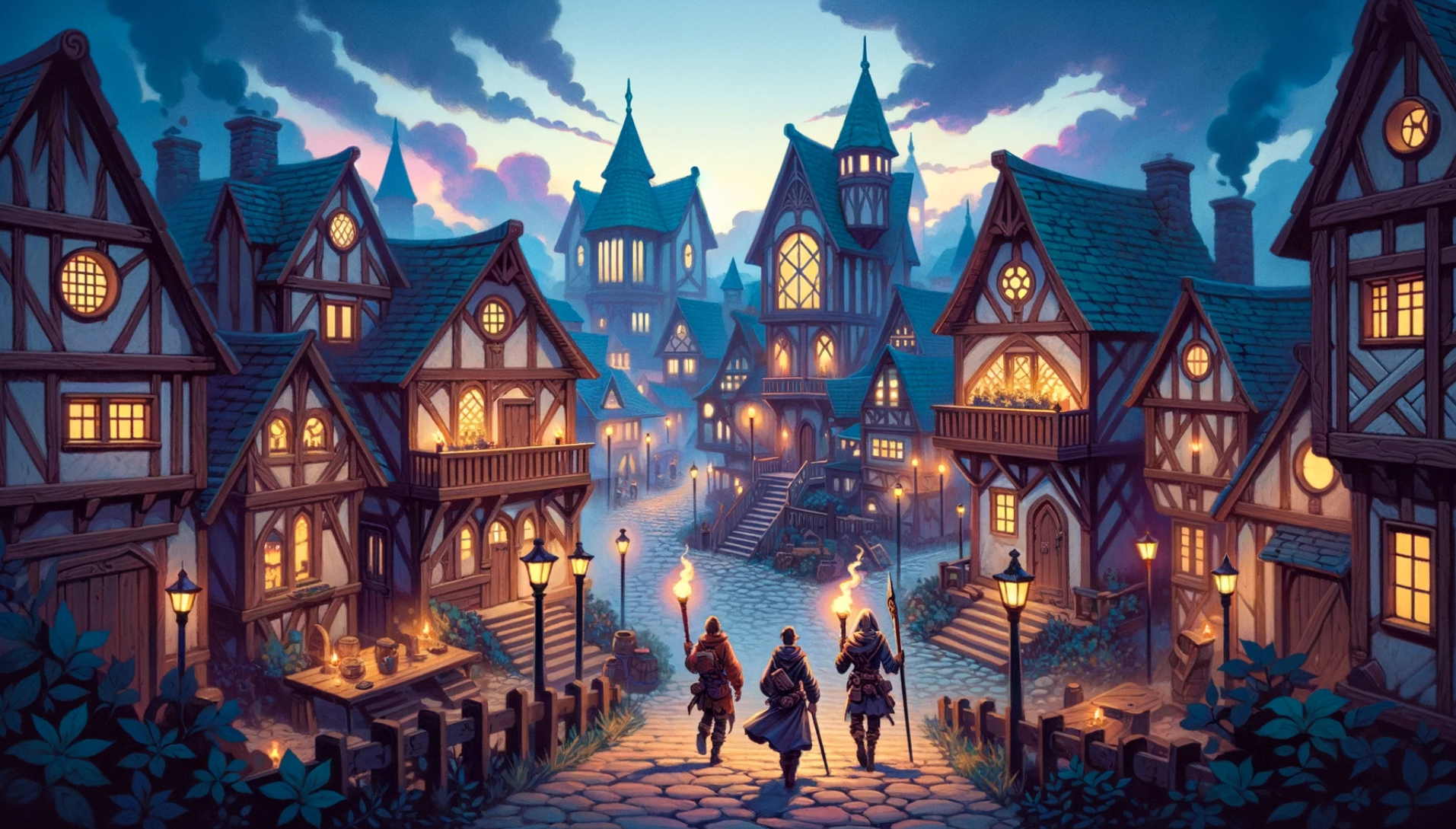
The Art of World-Building in RPGs
The Art of World-Building in RPGs – In the world of gaming, few experiences are as immersive as stepping into a rich, believable universe. Role-playing games, better known as RPGs, have long mastered this craft. From the vast wilderness of The Elder Scrolls V: Skyrim to the dark, morally complex lands of The Witcher 3: Wild Hunt, world-building is the invisible force that keeps players invested for hundreds of hours.
But what exactly makes world-building in RPGs so powerful? Why do some virtual worlds feel alive, while others seem hollow and forgettable? Let’s explore the art of world-building in RPGs and how developers craft unforgettable digital realms that stand the test of time.
Why World-Building Is the Heart of Every Great RPG
At its core, an RPG is about immersion. Players don’t just control a character; they step into a new identity, live through challenges, and shape the story through their decisions. Without a strong world to support that journey, even the best combat system or storyline can fall flat.
World-building in RPGs goes beyond designing landscapes or cities. It involves history, politics, culture, religion, economy, and even the smallest daily routines of non-playable characters. A well-built world feels like it existed long before the player arrived and will continue to exist after they leave.
Think about how Final Fantasy VII presented Midgar as more than just a setting. The city’s class divide, corporate dominance, and environmental themes created a believable society. Players weren’t just saving the planet; they were fighting against systems deeply embedded in the world’s structure.
That depth is what transforms a game from entertaining to unforgettable.
Building History and Lore That Feels Real
One of the foundations of strong RPG world-building is lore. History gives context to present conflicts. Myths explain cultural beliefs. Old wars shape current political tensions.
Take Dragon Age: Inquisition as an example. The world of Thedas is layered with centuries of religious conflict, magical oppression, and shifting alliances. The player doesn’t need to read every codex entry to feel the weight of that history. It’s embedded in dialogue, architecture, and character motivations.
Great RPGs don’t dump information all at once. Instead, they allow players to discover the world naturally. A ruined castle hints at a forgotten war. A village festival reveals local traditions. A side quest uncovers a political conspiracy.
This organic storytelling is what makes world-building effective. It respects the player’s intelligence and curiosity.
The Role of Culture and Society
Culture is often what separates a generic fantasy setting from a living world. Language accents, clothing styles, food, architecture, and social customs all contribute to authenticity.
In The Elder Scrolls V: Skyrim, each region has its own identity. The Nords value honor and strength, reflected in their mead halls and warrior traditions. Meanwhile, other provinces mentioned in the lore have entirely different social systems and beliefs.
These cultural details create contrast and depth. When players travel between regions, they feel like they are truly exploring different societies, not just different maps.
Environmental Storytelling: Showing Instead of Telling
One of the most powerful tools in RPG world-building is environmental storytelling. Rather than explaining everything through dialogue, developers use the environment to communicate narrative.
A burned-down house with scattered belongings tells a tragic story without a single word. A battlefield filled with rusted weapons suggests a conflict long past. These small details create emotional engagement.
The Witcher 3: Wild Hunt excels at this technique. War-torn villages, monster-infested swamps, and abandoned battlefields visually reinforce the harsh realities of its world. The setting constantly reminds players of the consequences of political ambition and supernatural chaos.
Environmental storytelling strengthens immersion because players feel like investigators uncovering hidden truths.
Player Choice and Its Impact on the World
Another essential element of world-building in RPGs is player agency. A world becomes believable when it reacts to the player’s decisions.
In Mass Effect 2, choices influence character relationships, mission outcomes, and even future events in the series. The universe feels dynamic rather than static. Players are not just visitors; they are participants shaping history.
When a town changes because of your actions, when factions treat you differently based on your reputation, the world gains credibility. Cause and effect are powerful storytelling tools.
Developers who invest in reactive systems create worlds that feel alive. Even small changes, like different dialogue responses, can reinforce the illusion of autonomy and consequence.
Consistency: The Secret Ingredient
A believable RPG world follows its own rules. Magic systems have limitations. Political systems have logic. Technology levels remain consistent.
When rules are broken without explanation, immersion collapses. Consistency builds trust between the developer and the player. It assures players that their understanding of the world matters.
Final Fantasy VII balances advanced technology with mystical elements like Materia. The combination works because the game establishes clear internal logic. Players accept the fusion of science fiction and fantasy because the world supports it coherently.
Consistency also applies to tone. A dark, gritty narrative should not suddenly become comedic without purpose. Maintaining thematic focus strengthens emotional investment.
The Importance of Characters in World-Building
Characters are the gateway to any RPG world. Through them, players experience cultural values, political tensions, and personal struggles.
Compelling non-playable characters make a world feel populated and real. They have routines, opinions, and goals that exist beyond the player’s immediate needs.
In Dragon Age: Inquisition, companions have strong personal beliefs shaped by their backgrounds. Their perspectives reveal different sides of the world’s conflicts. Through conversation and conflict, the setting gains nuance.
Strong character writing turns abstract lore into human stories. Instead of reading about a war, players meet veterans who survived it. Instead of hearing about discrimination, they witness its effects on companions.
This emotional layer is what elevates world-building from technical design to art.
Open Worlds vs. Structured Worlds
Not all RPGs approach world-building in the same way. Some focus on vast open landscapes, while others use more linear structures.
Open-world RPGs like The Elder Scrolls V: Skyrim prioritize exploration. Players can roam freely, discovering secrets at their own pace. The world feels expansive and independent.
More structured RPGs, such as Mass Effect 2, use tighter level design to deliver cinematic storytelling. Here, world-building unfolds through carefully crafted missions and character arcs.
Both approaches can succeed. What matters most is coherence. Whether the world is massive or focused, it must feel intentional and thoughtfully constructed.
Technology and the Evolution of RPG Worlds
Advancements in technology have significantly expanded what developers can achieve in world-building. Improved graphics, dynamic weather systems, advanced AI behavior, and realistic physics all contribute to immersion.
However, technology alone does not guarantee a memorable world. Even older titles like Final Fantasy VII remain iconic because of strong narrative foundations and imaginative settings.
Modern RPGs combine technical sophistication with deep storytelling. Realistic lighting and detailed textures enhance atmosphere, but it’s the underlying design philosophy that makes a world unforgettable.
Final Thoughts on the Art of RPG World-Building
The art of world-building in RPGs is a delicate balance of creativity, structure, and player engagement. It requires careful planning, consistency, and attention to detail. From lore and culture to environmental storytelling and player choice, every element contributes to the illusion of a living, breathing universe.
Games like The Witcher 3: Wild Hunt, The Elder Scrolls V: Skyrim, and Dragon Age: Inquisition demonstrate how powerful world-building can transform an RPG into a timeless masterpiece.
For developers, mastering world-building means thinking beyond maps and mechanics. It means crafting histories, shaping cultures, and designing systems that respond to player actions. For players, it means stepping into worlds that feel real enough to lose yourself in.
In the end, great RPG world-building is not just about creating a place to play. It’s about creating a world worth believing in.