Classic RPG Trends That Shaped Old-School Gaming – Before open worlds became massive and graphics aimed for realism, classic RPGs were already building deep experiences with limited technology. Old-school role-playing games didn’t rely on cinematic cutscenes or online features. Instead, they focused on imagination, storytelling, and player choice. These early design trends became the foundation of modern RPGs and continue to influence games today.
Understanding these classic RPG trends helps explain why old-school gaming still has such a strong fan base. Many of the mechanics that players love now were born decades ago, shaped by creativity rather than hardware power.
The Rise of Turn-Based Combat Systems
One of the most defining trends of classic RPGs was turn-based combat. Early hardware limitations made real-time action difficult, so developers focused on strategic, turn-based mechanics. This approach allowed players to think carefully about every move rather than relying on fast reflexes.
Turn-based combat also encouraged deeper systems. Players had to manage health points, magic resources, and party roles. Games like Final Fantasy, Dragon Quest, and early Western RPGs used this structure to emphasize planning over speed. Each battle felt like a puzzle, where understanding enemy behavior mattered just as much as character strength.
Strategy Over Speed
Unlike modern action RPGs, classic RPGs rewarded patience. Choosing the right spell or attack at the right time often made the difference between victory and defeat. This design philosophy helped shape RPGs as thinking games rather than purely action-based experiences.
Even today, many modern RPGs borrow elements from these early systems, proving how influential turn-based combat remains in game design.
Deep Storytelling Through Text and Imagination
Classic RPGs relied heavily on written dialogue and text-based storytelling. Without voice acting or advanced animations, developers used detailed descriptions to build worlds and characters. Players were encouraged to imagine environments, emotions, and events through text alone.
This approach created a unique bond between player and story. Instead of being shown everything, players filled in the gaps with their own imagination. Towns, dungeons, and characters felt personal because each player envisioned them slightly differently.
Player Choice and Moral Decisions
Another important trend was meaningful player choice. Even in early RPGs, decisions could impact story outcomes, character relationships, or available quests. These choices gave players a sense of control and investment in the world.
Moral decisions were often subtle, not clearly labeled as good or bad. This encouraged players to think about consequences rather than following obvious paths. Many modern RPGs still use this philosophy, tracing it directly back to classic designs.
Character Progression and Customization
Character growth was at the heart of old-school RPGs. Leveling systems, skill trees, and stat allocation allowed players to shape characters in unique ways. This sense of progression kept players engaged for long play sessions.
Classic RPGs often required grinding, but it wasn’t just about repetition. Each level gained felt meaningful, unlocking new abilities or improving survivability. Players developed emotional connections to their characters, especially in party-based RPGs where each member had a distinct role.
Party-Based Gameplay
Managing a group of characters became another defining trend. Players had to balance healers, damage dealers, and support roles. Losing a key party member could dramatically change gameplay, making preparation essential.
This system encouraged experimentation and strategy. It also introduced players to teamwork concepts that would later influence multiplayer and cooperative game designs.
Exploration as a Core Experience
Exploration played a major role in shaping classic RPGs. Maps were often large, mysterious, and filled with hidden secrets. Without modern guidance systems, players relied on memory, notes, and exploration instincts.
Dungeons were designed to test navigation skills as much as combat ability. Getting lost was part of the experience, and discovering hidden paths felt rewarding. This sense of discovery is something many players still associate with old-school gaming.
Limited Guidance, Maximum Immersion
Unlike modern games that offer constant objectives and markers, classic RPGs trusted players to figure things out. NPC hints were vague, and quest directions were sometimes cryptic. This design encouraged attention and engagement, making players feel truly part of the world.
This trend influenced modern indie RPGs that aim to recapture the feeling of exploration without hand-holding.
The Influence of Tabletop RPGs
Many classic RPGs were directly inspired by tabletop games like Dungeons & Dragons. Dice rolls, stat systems, and fantasy archetypes were adapted into digital form. This influence shaped everything from character classes to combat mechanics.
Tabletop inspiration also introduced randomness and unpredictability. Critical hits, misses, and chance-based outcomes added excitement and tension to gameplay. Players never knew exactly how a battle would unfold.
World-Building and Lore Depth
Tabletop roots also encouraged detailed lore. Even if players didn’t see every detail, worlds felt rich and lived-in. Myths, histories, and legends were woven into dialogue and item descriptions, creating depth beyond the main storyline.
This focus on lore continues to be a defining feature of RPGs, especially those aiming for immersive storytelling.
Retro Visual Style and Sound Design
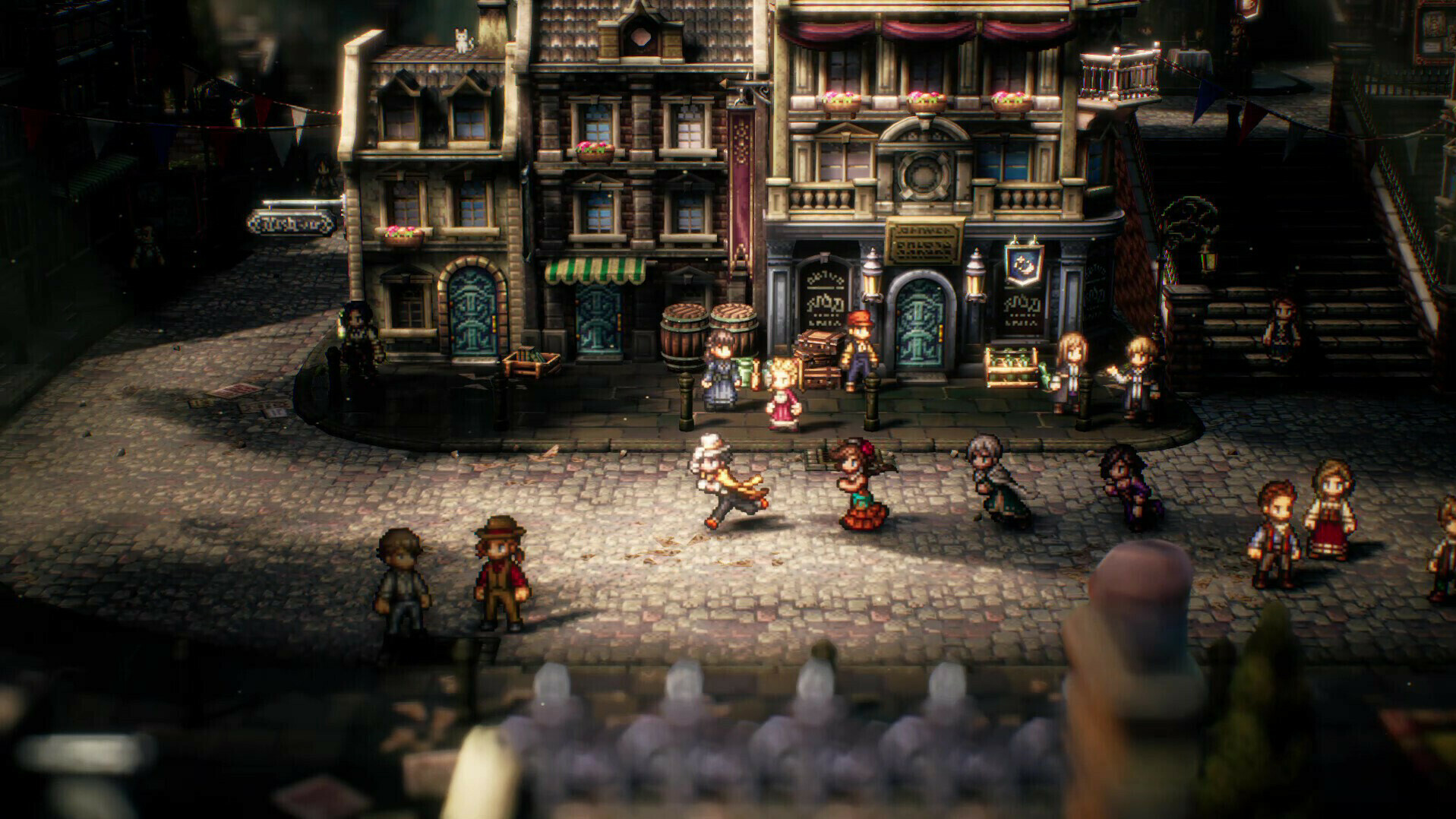
Graphics in classic RPGs were limited but memorable. Pixel art and simple animations became iconic, not because of realism but because of strong artistic direction. Developers used color, sprite design, and music to convey emotion and atmosphere.
Soundtracks played a crucial role. Simple melodies became unforgettable themes that players still recognize today. Music helped define locations, battles, and emotional moments, proving that strong audio design could overcome technical limitations.
Timeless Aesthetic Appeal
The retro look of classic RPGs has stood the test of time. Many modern games intentionally adopt pixel art styles as a tribute to old-school gaming. This trend highlights how strong design choices can remain relevant long after technology evolves.
Lasting Impact on Modern RPGs
Classic RPG trends didn’t fade away; they evolved. Modern games blend old-school mechanics with new technology, creating experiences that appeal to both veteran players and newcomers. Turn-based systems, deep storytelling, and meaningful progression remain central to the genre.
The resurgence of retro-inspired RPGs shows that players still value the principles established decades ago. Old-school gaming wasn’t limited by technology; it was defined by creativity and thoughtful design.
Why Classic RPG Trends Still Matter
Classic RPG trends shaped more than just a genre. They influenced how players interact with stories, characters, and game worlds. These early design choices taught developers that immersion doesn’t require realism, and complexity doesn’t need flashy visuals.
For many players, old-school RPGs represent a golden era of gaming, where imagination filled the gaps and every decision mattered. Their influence continues to shape gaming today, proving that great ideas never truly become outdated.