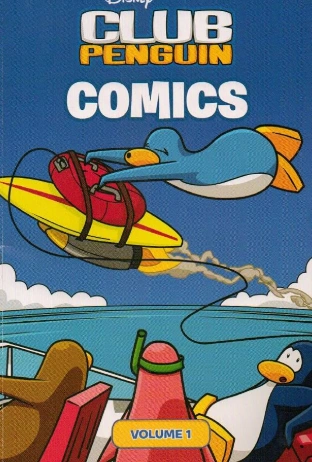
From Millions of Players to Shutdown: The Rise and Fall of Club Penguin | In the early days of online social gaming, few virtual worlds captured the imagination of children around the world like Club Penguin. With its colorful penguins, interactive environments, mini-games, and friendly online community, Club Penguin became more than just a game—it became a digital home for millions of players.
At its peak, Club Penguin had millions of active users and became one of the most successful children’s online platforms ever created. However, changing technology, shifting gaming trends, and corporate decisions eventually led to its shutdown in 2017.
The story of Club Penguin is a fascinating example of how a simple idea can become a global phenomenon—and how even the biggest online communities can disappear.
What Was Club Penguin?
Club Penguin was a massively multiplayer online game (MMO) that allowed players to create cartoon penguin avatars and explore a virtual island.
Players could:
- Customize their penguin characters
- Play mini-games
- Earn virtual coins
- Decorate their igloos
- Chat with other players
- Participate in seasonal events
- Join community activities
Unlike many online games focused on competition, Club Penguin emphasized creativity, friendship, and social interaction.
The platform created a safe digital environment where children could play, communicate, and express themselves.
The Creation of Club Penguin
Club Penguin was created by three Canadian entrepreneurs:
- Lance Priebe
- Lane Merrifield
- Dave Krysko
The idea began with an earlier project called Experimental Penguins, which eventually evolved into Club Penguin.
The creators wanted to build an online world designed specifically for children. At the time, many internet communities were not designed with child safety as a priority, creating an opportunity for a more controlled and family-friendly experience.
Club Penguin officially launched in October 2005.
The Rapid Growth of a Virtual Empire
After its launch, Club Penguin quickly gained popularity.
Children around the world were attracted to its:
- Simple gameplay
- Cute characters
- Social features
- Regular updates
- Community events
Players could attend virtual parties, unlock exclusive items, and explore new areas of the island.
The game succeeded because it made users feel like they were part of a living world that constantly changed.
Disney Acquisition and Global Expansion
In 2007, The Walt Disney Company acquired Club Penguin for approximately $350 million, with additional payments based on performance.
Under Disney’s ownership, Club Penguin expanded its reach and became a major online brand.
The game introduced:
- More international versions
- New features
- Merchandise
- Books
- Animated content
- Mobile experiences
Disney invested heavily in maintaining the platform, helping Club Penguin reach new audiences worldwide.
The Golden Age of Club Penguin
During its most successful years, Club Penguin became a cultural phenomenon among children.
Millions of players logged in regularly to:
- Attend island parties
- Collect rare items
- Complete missions
- Meet friends online
- Show off customized igloos
Special events became one of the game’s strongest features.
Annual celebrations such as the Holiday Party and Anniversary Party created excitement and gave players reasons to return.
For many users, Club Penguin was not simply a game—it was a memorable part of childhood.
Why Club Penguin Became So Popular
Several factors contributed to Club Penguin’s success.
1. A Strong Community
The game encouraged social interaction rather than competition.
Players formed friendships and created personal memories inside the virtual world.
2. Child-Friendly Design
Safety was a major priority.
Club Penguin included:
- Chat filters
- Moderation systems
- Parental controls
- Rules promoting respectful behavior
This made parents more comfortable allowing children to participate.
3. Constant Updates
The developers regularly introduced:
- New items
- Events
- Locations
- Games
- Missions
The changing environment kept players interested.
4. Emotional Connection
The penguin characters, island locations, and traditions created a strong emotional attachment among users.
Many players remembered their virtual experiences years after leaving the game.
The Beginning of Decline
Despite its popularity, Club Penguin began facing challenges.
The online gaming industry changed significantly after 2010.
New platforms and games attracted younger audiences, including:
- Mobile games
- Social media platforms
- Modern multiplayer games
- Free-to-play experiences
Children’s entertainment habits changed, and fewer users remained active on traditional browser-based virtual worlds.
The Rise of Mobile Gaming
One of the biggest challenges for Club Penguin was the shift from desktop computers to smartphones and tablets.
Many younger players began spending more time on mobile games that offered:
- Faster gameplay
- Better graphics
- Instant access
- Free experiences
Club Penguin attempted to adapt with mobile versions, but the transition was difficult.
The Shutdown of Club Penguin
In January 2017, Disney announced that the original Club Penguin would shut down.
On March 30, 2017, the servers officially closed.
Millions of players lost access to the island they had visited for years.
The shutdown marked the end of an important era in online gaming history.
The Launch and Failure of Club Penguin Island
After shutting down the original game, Disney launched Club Penguin Island in 2017 as a modern replacement.
The new game featured:
- Updated graphics
- Mobile support
- New gameplay systems
However, it failed to achieve the same level of popularity as the original.
Many longtime fans felt that the new version lacked the charm, simplicity, and community feeling that made the original special.
Club Penguin Island was eventually discontinued in late 2018.
The Legacy of Club Penguin
Although Club Penguin no longer exists officially, its impact remains strong.
The game influenced online gaming by showing that virtual communities could create meaningful social experiences.
Many former players still remember:
- Their first penguin avatar
- Their favorite parties
- Their decorated igloo
- Their online friendships
The nostalgia surrounding Club Penguin demonstrates how digital experiences can create lasting emotional connections.
Fan Revivals and Community Preservation
After the shutdown, fans created unofficial projects inspired by Club Penguin.
These communities attempted to preserve:
- The original gameplay style
- The social experience
- Classic events
- The feeling of the original island
Although unofficial versions faced challenges, they showed how deeply players cared about the virtual world.
Lessons From Club Penguin’s Story
The rise and fall of Club Penguin provides important lessons for digital platforms.
Communities Matter
A successful online platform is built around people, not just technology.
Innovation Is Necessary
Even popular products must adapt as user behavior changes.
Nostalgia Creates Value
Strong emotional connections can keep a brand memorable long after it disappears.
Technology Evolves Quickly
Companies must continue improving to remain relevant in changing markets.
From Millions of Players to Shutdown: The Story of Club Penguin is a story about creativity, community, and change.
What started as a simple virtual island became a global phenomenon that shaped the childhood memories of millions of players. Although Club Penguin eventually closed its doors, its influence continues through nostalgia, fan communities, and the lessons it provided about building online worlds.
Club Penguin proved that digital spaces can become more than games—they can become places where people create friendships, memories, and experiences that last long after the servers go offline.