Crimson Desert RPG: Everything You Need to Know About the Open-World Adventure
Crimson Desert RPG: Everything You Need to Know About the Open-World Adventure | Crimson Desert RPG is one of the most ambitious open-world action-adventure games developed by Pearl Abyss. Set in the vast and dangerous continent of Pywel, the game combines intense real-time combat, exploration, character progression, and a cinematic fantasy story.
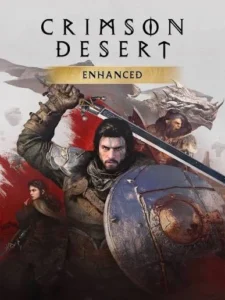
Players take control of Kliff, a member of the Greymanes, as he embarks on a dangerous journey through a world filled with war, mysterious creatures, powerful enemies, and political conflicts.
With its massive open world and action-focused gameplay, Crimson Desert offers an experience that blends RPG elements with a cinematic action-adventure formula.
What Is Crimson Desert RPG?
Crimson Desert is an open-world action-adventure game developed and published by Pearl Abyss.
Although the game is often described as an RPG because of its character progression, skills, equipment, quests, and exploration systems, its official genre is open-world action-adventure.
Unlike Pearl Abyss’ famous MMORPG Black Desert, Crimson Desert focuses on a single-player experience centered around Kliff and the story of the Greymanes.
The game takes place in Pywel, a large fantasy continent where players can freely explore different environments, discover hidden locations, complete quests, fight enemies, and uncover the mysteries surrounding the world.
The Story of Crimson Desert
The story follows Kliff, a member of the Greymanes.
After a devastating attack leaves the Greymanes scattered, Kliff begins a journey to find his surviving companions and rebuild what was lost.
His journey takes him across different regions of Pywel, where he encounters dangerous enemies, mysterious characters, powerful creatures, and conflicts between different factions.
The story is designed to be cinematic, with major events and character interactions playing an important role in Kliff’s journey.
As players progress, they gradually discover more about Pywel and the forces threatening the continent.
Crimson Desert Gameplay
One of the biggest attractions of Crimson Desert RPG is its combat system.
The game features real-time action combat that allows players to combine different attacks, weapons, abilities, and movement techniques.
Kliff can fight using several types of weapons and can also use physical attacks such as kicks and grappling techniques.
This gives players considerable freedom when dealing with enemies.
Instead of relying on a simple attack-and-dodge system, combat encourages players to combine different abilities and adapt to their opponents.
A Massive Open World
Pywel is the heart of Crimson Desert.
The continent features a wide variety of environments, including forests, grasslands, mountains, deserts, cities, ruins, and mysterious locations.
Exploration is an important part of the experience. Players can travel across the world, discover hidden areas, collect resources, encounter enemies, and participate in different activities.
The game also includes traversal mechanics that allow Kliff to climb and move through the environment in different ways.
Because of this, exploration feels like an important part of the gameplay rather than simply a way to travel between missions.
RPG Elements in Crimson Desert
Even though Crimson Desert is officially categorized as an action-adventure game, it contains many features commonly associated with RPGs.
Players can improve Kliff’s abilities, obtain equipment, learn skills, complete quests, and explore different parts of the world.
These systems provide a sense of character progression throughout the adventure.
This is why the term Crimson Desert RPG is commonly used when discussing the game, even though Pearl Abyss officially describes it as an open-world action-adventure title.
Dynamic Combat System
Combat is one of the strongest features of Crimson Desert.
Players can use weapons, special abilities, physical attacks, and environmental opportunities during battles.
Boss encounters are particularly important because powerful enemies require players to understand attack patterns and choose the right strategy.
Different enemies can require different approaches, making combat more dynamic than simply using the same attack repeatedly.
The combination of cinematic presentation and real-time combat gives Crimson Desert a distinctive action-focused identity.
Exploration and Activities
Crimson Desert is not only about fighting enemies.
The world of Pywel includes various activities that players can discover while exploring.
These activities include:
- Gathering resources
- Mining
- Fishing
- Cooking
- Crafting
- Exploring hidden locations
- Completing quests
- Fighting monsters and bosses
These systems help make Pywel feel like a living world rather than a simple collection of combat arenas.
Crimson Desert Enhanced Update
Pearl Abyss continues to expand Crimson Desert through post-launch updates.
One of the major updates is Crimson Desert Enhanced, which introduces additional content and improvements to the game.
The update includes new story moments, additional skills, improvements to existing systems, and expanded language support.
These updates are important because they allow the game to continue evolving after its original release.
Crimson Desert Platforms
Crimson Desert is available on several major platforms.
Players can experience the game on:
- PlayStation 5
- Xbox Series X|S
- PC
- Apple Mac
The PC version is available through platforms such as Steam and the Epic Games Store.
The game is powered by Pearl Abyss’ BlackSpace Engine, which was developed to support the game’s large environments, detailed visuals, and complex world.
Is Crimson Desert an RPG?
So, is Crimson Desert actually an RPG?
The answer depends on how the term is being used.
Crimson Desert contains many RPG elements, including character progression, skills, equipment, quests, exploration, and a fantasy world.
However, Pearl Abyss officially categorizes the game as an open-world action-adventure title.
Therefore, calling it Crimson Desert RPG is understandable when referring to its RPG mechanics, but it is more accurate to describe the game officially as an open-world action-adventure.
Crimson Desert RPG combines a huge open world with cinematic storytelling, fast-paced combat, exploration, and RPG-inspired progression.
Its world of Pywel offers plenty of opportunities for exploration, while Kliff’s journey provides a central story that connects the game’s different locations and characters.
For players who enjoy open-world games with action-heavy combat and RPG elements, Crimson Desert is a title worth checking out.
With continued updates and additional content, the game has the potential to remain an interesting open-world adventure for players looking for a large single-player fantasy experience.
Is The Blood of Dawnwalker Ready for Launch? Developers Address Performance Concerns
Is The Blood of Dawnwalker Ready for Launch? Developers Address Performance Concerns | The Blood of Dawnwalker has attracted considerable attention as one of the most ambitious upcoming action RPGs from Rebel Wolves, the studio founded by former CD Projekt Red developers. Its dark fantasy setting, open-world structure, and time-driven gameplay have generated strong interest among RPG fans.

However, ambition also creates expectations.
As players look toward the game’s launch, one question remains particularly important: Is The Blood of Dawnwalker ready for launch, especially when it comes to performance?
Performance is one of the biggest factors that can determine whether an ambitious RPG succeeds technically. A game can have impressive visuals, deep systems, and an interesting story, but poor optimization can undermine the entire experience.
For The Blood of Dawnwalker, developer comments and the game’s ongoing development suggest that performance is an important part of the final preparation process.
What Is The Blood of Dawnwalker?
The Blood of Dawnwalker is a single-player open-world action RPG developed by Rebel Wolves and published by Bandai Namco Entertainment.
The game is set in a fictional medieval European region during the 14th century, a period heavily affected by war and plague.
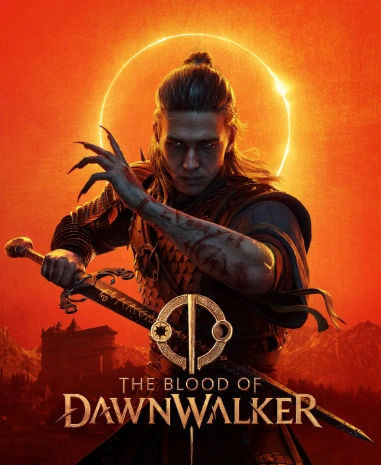
Players take control of Coen, a young man who becomes a Dawnwalker after being transformed by supernatural forces.
The game’s central concept combines traditional medieval fantasy with vampires and other dark supernatural elements.
But its most distinctive feature is not simply the setting.
It is the way time itself becomes an important gameplay resource.
Why Performance Matters So Much
Modern open-world RPGs place enormous demands on hardware.
A game like The Blood of Dawnwalker has to manage:
- Large environments
- Character animations
- Lighting
- AI
- Physics
- Combat systems
- Streaming assets
- NPC behavior
- Visual effects
- Environmental details
All of these systems need to work together while maintaining a stable frame rate.
Poor optimization can lead to:
- Stuttering
- Frame-rate drops
- Long loading times
- Texture pop-in
- Input delay
- Crashes
- Visual glitches
For an action RPG where combat and exploration are important, inconsistent performance can be particularly frustrating.
The Game’s Ambitious Open World
One reason performance is such an important topic is the scale of The Blood of Dawnwalker.
Rebel Wolves has positioned the game as a large open-world experience where players can explore the fictional Vale Sangora region.
The world is designed to support exploration, quests, combat, characters, and dynamic situations.
That ambition creates a difficult technical challenge.
Developers need to make the world feel alive without overwhelming the hardware running the game.
A Different Approach to Open-World Design
The Blood of Dawnwalker is not simply trying to create the largest possible map.
Instead, Rebel Wolves has emphasized a more focused open-world experience.
The developers have described the game as a narrative sandbox, where players can make choices and experience different outcomes.
This could potentially help performance compared with games that focus entirely on enormous geographical scale.
A more concentrated world allows developers to spend resources on density and detail rather than simply increasing map size.
The Time System Creates Another Technical Challenge
One of the most interesting features of The Blood of Dawnwalker is its 30-day and 30-night time structure.
Coen has a limited amount of time to rescue his family, and decisions can influence how that time is spent.
The world therefore needs to support changing situations based on time.
That can affect:
- NPC schedules
- Quests
- Events
- Enemy behavior
- Locations
- Story opportunities
- Environmental atmosphere
A dynamic world with time-dependent systems can require significant processing and testing.
Developers have to make sure that these systems interact correctly without producing bugs or performance problems.
Developers Have Been Talking About Technical Development
Rebel Wolves has repeatedly highlighted its focus on creating a polished experience rather than simply rushing the game to market.
That is particularly important for a new studio working on its first major title.
The developers have experience working on large RPG projects, but The Blood of Dawnwalker is still a new production with its own technology, systems, and design philosophy.
The development process therefore involves balancing ambition with technical realities.
Why Players Are Concerned About Performance
Player concern is understandable.
Modern gaming audiences have become increasingly sensitive to technical problems at launch.
Several high-profile RPG releases in recent years have demonstrated that even major studios can struggle with optimization.
Players therefore want to know whether The Blood of Dawnwalker can deliver its visual ambition without sacrificing performance.
The concern is particularly relevant for PC players because hardware configurations vary enormously.
A game that performs well on a high-end development machine may require significant optimization to run smoothly across a much wider range of systems.
Console Performance Will Matter Too
Console players will also pay close attention to performance.
Unlike PC hardware, console platforms provide developers with fixed hardware configurations.
This can make optimization more predictable, but it does not automatically guarantee perfect performance.
Developers still have to balance:
- Resolution
- Frame rate
- Visual quality
- Lighting
- Effects
- World density
Players increasingly expect games to provide performance-focused options when possible.
A stable performance mode can be especially important for an action RPG because combat benefits from responsive controls and consistent frame delivery.
Visual Quality vs. Performance
One of the biggest challenges for The Blood of Dawnwalker will be balancing visual ambition with performance.
High-quality graphics can require substantial resources.
Developers need to determine which visual features have the biggest impact on player experience.
For example, reducing certain effects may have little noticeable impact while significantly improving performance.
Good optimization is not necessarily about making a game look worse.
It is about allocating technical resources intelligently.
What Could Good Optimization Look Like?
If The Blood of Dawnwalker launches in a technically strong state, players could reasonably expect:
- Stable frame rates
- Smooth traversal
- Consistent combat performance
- Minimal stuttering
- Fast enough loading
- Reliable asset streaming
- Limited crashes
- Good visual consistency
Perfect performance is difficult to guarantee in a large modern RPG.
The more realistic objective is a stable experience with manageable technical issues.
The Importance of Testing
Large RPGs require extensive testing because players can interact with systems in unexpected ways.
A player might:
- Start a quest at an unusual time
- Enter an area before completing another quest
- Trigger multiple events simultaneously
- Explore locations in an unexpected order
- Fight enemies in unusual environments
- Make choices that change later events
These situations can expose bugs that are difficult to find during standard testing.
The Blood of Dawnwalker’s emphasis on player choice makes testing even more important.
Performance Is Only One Part of Launch Readiness
Even if performance is strong, launch readiness depends on more than frame rate.
Players will also judge:
- Story quality
- Combat
- Exploration
- Quest design
- Character development
- World-building
- Enemy variety
- Progression systems
- Technical stability
- Audio and presentation
A technically polished game still needs compelling gameplay.
Fortunately, The Blood of Dawnwalker is being designed around several distinctive gameplay concepts that could help it stand out.
What Makes The Blood of Dawnwalker Different?
The game’s biggest selling points include its combination of:
Dark Fantasy
The setting blends medieval history-inspired environments with vampires and supernatural elements.
Time Pressure
Players have limited time, meaning they cannot necessarily experience every quest or save every character during a single playthrough.
Player Choice
Decisions can influence the story and the world.
Open-World Exploration
Players can explore Vale Sangora and discover different activities and opportunities.
Narrative Focus
The game places significant emphasis on characters and storytelling rather than treating the open world simply as a large playground.
These elements create a potentially distinctive RPG experience.
Could Performance Improve After Launch?
Modern games often receive patches after release.
Developers can continue improving:
- Performance
- Bugs
- Stability
- Loading
- Visual glitches
- Compatibility
- Balance
However, post-launch updates should not be treated as an excuse for releasing an unfinished game.
Players generally expect the initial release to provide a solid foundation.
For a new studio such as Rebel Wolves, a technically stable launch could also be important for establishing trust with the audience.
What Players Should Watch Before Launch
Anyone considering The Blood of Dawnwalker should pay attention to several things as release approaches.
Official Performance Information
Look for official information about supported platforms and performance targets.
Gameplay Demonstrations
Long gameplay footage can reveal more than short cinematic trailers.
Technical Previews
Independent previews close to launch may provide useful information about frame rates and stability.
System Requirements
PC players should compare their hardware with the game’s official requirements.
Day-One Reviews
Reviews can provide a clearer picture of the game’s technical condition shortly before or after launch.
Is The Blood of Dawnwalker Ready for Launch?
Based on the information available during development, it is too early to make a definitive judgment about the final technical condition without evaluating the released version.
The developers’ attention to performance is encouraging, but promises and development statements cannot replace actual testing.
The real test will come when players experience the full game across different platforms and hardware configurations.
What matters most is whether Rebel Wolves can successfully translate its ambitious design into a stable, responsive, and polished RPG.
The Blood of Dawnwalker has the potential to become a distinctive action RPG, but performance will be an important part of determining whether that potential is realized.
Its open-world design, dynamic time system, supernatural combat, and narrative focus create substantial technical challenges.
Rebel Wolves has the advantage of a team with experience working on major RPG projects, but The Blood of Dawnwalker is still a new production with its own ambitions and technical requirements.
For now, the fairest conclusion is that the game should be judged on its final performance rather than assumptions based on development footage.
If Rebel Wolves can deliver stable performance while preserving the game’s visual quality, world density, and complex systems, The Blood of Dawnwalker could enter the market in a much stronger position.
Ultimately, players do not need a technically perfect game.
They need a game that feels stable, responsive, polished, and ready to play from the moment they enter Vale Sangora.

Citampi Stories: A Look at Its Life Simulation RPG Experience
Citampi Stories: A Look at Its Life Simulation RPG Experience | Citampi Stories is a charming life simulation RPG that combines everyday activities, exploration, romance, work, crafting, farming, and family life into a colorful pixel-art world. Developed by Ikan Asin Production and now published by Noctua Games, the game offers a relaxed but surprisingly deep experience for players who enjoy shaping a character’s life at their own pace.
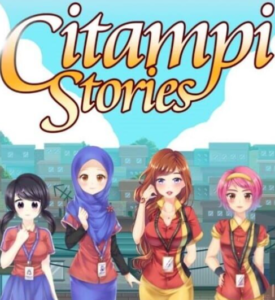
Rather than focusing on traditional combat or a single linear adventure, Citampi Stories asks players to build a life. You arrive in Citampi with financial responsibilities and gradually work toward creating a stable and fulfilling future.
What Is Citampi Stories?
Citampi Stories is an anime-inspired life simulation RPG available on mobile, with the current Google Play listing also identifying Windows availability. It combines role-playing and simulation elements with pixel-art visuals, romance, exploration, and a range of daily activities. The game can also be played offline.
The basic premise is straightforward: the player moves to Citampi to deal with a family debt while searching for a better life.
From there, the experience becomes much more open-ended.
You can work, explore different areas, develop relationships, collect resources, craft items, fish, farm, build your home, and eventually create a family.
A Life Simulation With RPG Elements
What makes Citampi Stories interesting is the way it blends several genres.
It has the daily routine of a life simulation game, the progression systems of an RPG, the relationship mechanics of a dating game, and the exploration of a small open world.
Instead of following one fixed path, players can decide how to spend their time.
You might spend a day working for money, another day fishing, and another visiting NPCs to improve relationships.
This freedom gives the game a relaxed sense of progression.
Work and Earning Money
Money is an important part of life in Citampi.
Players can take different jobs and gradually improve their financial situation. The current game description presents a progression that can begin with work such as street vending and eventually expand toward running a business empire.
This creates a satisfying progression loop:
Work → Earn money → Upgrade your life → Unlock new opportunities
The financial system also gives everyday activities a purpose. You are not simply collecting money for an abstract score. Money can help you improve your living situation and pursue larger goals.
Exploration and Daily Activities
Citampi is designed to encourage exploration.
Players can fish, farm, scavenge, craft, and discover different locations and activities. The game’s official update history also documents expanded areas, new fishing locations, additional crafting recipes, and new features connected to pets and family life.
This variety helps prevent the game from feeling like a repetitive work simulator.
There is usually something else to do when you want a break from your main routine.
Romance and Relationships
Romance is one of the most recognizable features of Citampi Stories.
Players can meet different characters, develop relationships, date, propose, and eventually marry. The game’s current listing emphasizes romance as a major part of the experience, including marriage and raising a family.
The relationships are not simply a background feature.
Characters have their own personalities and stories, and interacting with them can unlock events and cutscenes.
The original developer describes the game as featuring handcrafted stories and character interactions, making relationships an important part of the overall experience.
Building a Family
The life simulation continues beyond marriage.
Players can have children and experience different stages of family life. The game’s features include raising children, completing quests for them, and allowing children to eventually contribute to certain activities.
This gives the game a sense of progression that extends beyond earning money or finding a romantic partner.
The player’s virtual life can evolve from an individual trying to survive financially into a larger family story.
Farming, Fishing, and Crafting
For players who enjoy relaxing activities, Citampi Stories provides several systems to explore.
Farming allows players to grow resources, while fishing provides another way to earn items and money. Scavenging and crafting add collection and progression mechanics.
The official update history shows how these systems have expanded over time, including upgraded crafting equipment, new recipes, additional fishing areas, and more resources to discover.
These activities make the game feel more like a complete virtual lifestyle rather than a single-purpose RPG.
Pets and Animals
Animal-related features add another layer to the simulation.
Players can encounter wild animals, feed them, and eventually tame some as pets. Dogs and cats can have different functions, including following the player, carrying items, or helping locate special objects.
This is a good example of how Citampi Stories expands its gameplay beyond the central romance and work systems.
The world gradually becomes more interactive as the player progresses.
Pixel-Art Visual Style
Visually, Citampi Stories uses a colorful pixel-art style combined with anime-inspired character designs.
The visual approach gives the game a warm and approachable personality. Rather than aiming for photorealistic graphics, it creates a stylized world that fits the relaxed nature of the gameplay.
The App Store describes the game as an open-world life and love RPG featuring anime characters and pixel art.
The style also helps the game maintain a distinctive identity among mobile simulation titles.
A Game Designed for Long-Term Progression
One of the strongest aspects of Citampi Stories is its emphasis on gradual progression.
The player does not need to complete everything immediately.
You can slowly:
- Improve your finances
- Develop relationships
- Upgrade your home
- Explore new locations
- Collect resources
- Build crafting facilities
- Raise animals
- Get married
- Raise children
- Develop your family’s life
The official update history demonstrates that the game’s systems have expanded substantially, including new areas, family features, pets, crafting improvements, and additional activities.
This gives dedicated players plenty of goals to work toward.
Offline Accessibility
Another appealing feature is offline play.
The current Google Play listing identifies Citampi Stories as an offline, single-player game.
That makes it particularly convenient for players who want a game they can enjoy without maintaining a constant internet connection.
For a life simulation focused on personal progression rather than competitive multiplayer, offline accessibility fits the game’s design particularly well.
What Makes Citampi Stories Different?
There are many life simulation games available today, but Citampi Stories has its own personality.
Its strongest differentiator is the combination of:
Indonesian-inspired setting + pixel-art presentation + romance + RPG progression + everyday life simulation.
The result is a game that feels more personal than a conventional role-playing adventure.
There is no single “correct” way to play.
One player may focus on money and business, another may prioritize romance, while someone else may simply enjoy exploring, fishing, farming, and collecting items.
Potential Challenges for New Players
The game’s freedom can also create a learning curve.
New players may initially find it difficult to decide how to spend limited time and resources. Because there are many activities available, it can take time to understand which tasks are most useful for specific goals.
The mobile version also includes advertisements and in-app purchases, according to the current Google Play listing.
These monetization elements are worth considering when deciding whether the experience matches your preferences.
Who Should Play Citampi Stories?
Citampi Stories is particularly suitable for players who enjoy:
- Life simulation games
- Pixel-art RPGs
- Dating and relationship systems
- Farming and crafting
- Open-world exploration
- Casual progression
- Character-driven stories
- Offline mobile games
It may be less appealing to players who want fast-paced combat or a highly linear story.
The game’s appeal comes from taking your time and deciding what kind of virtual life you want to build.
Citampi Stories: A Look at Its Life Simulation RPG Experience reveals a game that goes far beyond a simple dating simulator.
Its combination of work, exploration, romance, farming, fishing, crafting, pets, marriage, children, and home development creates a surprisingly broad life simulation experience.
What makes the game especially appealing is the freedom it gives players. You can focus on financial success, relationships, family, exploration, or simply enjoy the everyday rhythm of life in Citampi.
With its colorful pixel-art presentation and relaxed progression, Citampi Stories offers a distinctive take on the life simulation RPG genre.
Ultimately, the game’s central idea is simple: you are not just completing quests—you are building a life.

From Millions of Players to Shutdown: The Story of Club Penguin
From Millions of Players to Shutdown: The Rise and Fall of Club Penguin | In the early days of online social gaming, few virtual worlds captured the imagination of children around the world like Club Penguin. With its colorful penguins, interactive environments, mini-games, and friendly online community, Club Penguin became more than just a game—it became a digital home for millions of players.

At its peak, Club Penguin had millions of active users and became one of the most successful children’s online platforms ever created. However, changing technology, shifting gaming trends, and corporate decisions eventually led to its shutdown in 2017.
The story of Club Penguin is a fascinating example of how a simple idea can become a global phenomenon—and how even the biggest online communities can disappear.
What Was Club Penguin?
Club Penguin was a massively multiplayer online game (MMO) that allowed players to create cartoon penguin avatars and explore a virtual island.
Players could:
- Customize their penguin characters
- Play mini-games
- Earn virtual coins
- Decorate their igloos
- Chat with other players
- Participate in seasonal events
- Join community activities
Unlike many online games focused on competition, Club Penguin emphasized creativity, friendship, and social interaction.
The platform created a safe digital environment where children could play, communicate, and express themselves.
The Creation of Club Penguin
Club Penguin was created by three Canadian entrepreneurs:
- Lance Priebe
- Lane Merrifield
- Dave Krysko
The idea began with an earlier project called Experimental Penguins, which eventually evolved into Club Penguin.
The creators wanted to build an online world designed specifically for children. At the time, many internet communities were not designed with child safety as a priority, creating an opportunity for a more controlled and family-friendly experience.
Club Penguin officially launched in October 2005.
The Rapid Growth of a Virtual Empire
After its launch, Club Penguin quickly gained popularity.
Children around the world were attracted to its:
- Simple gameplay
- Cute characters
- Social features
- Regular updates
- Community events
Players could attend virtual parties, unlock exclusive items, and explore new areas of the island.
The game succeeded because it made users feel like they were part of a living world that constantly changed.
Disney Acquisition and Global Expansion
In 2007, The Walt Disney Company acquired Club Penguin for approximately $350 million, with additional payments based on performance.
Under Disney’s ownership, Club Penguin expanded its reach and became a major online brand.
The game introduced:
- More international versions
- New features
- Merchandise
- Books
- Animated content
- Mobile experiences
Disney invested heavily in maintaining the platform, helping Club Penguin reach new audiences worldwide.
The Golden Age of Club Penguin
During its most successful years, Club Penguin became a cultural phenomenon among children.
Millions of players logged in regularly to:
- Attend island parties
- Collect rare items
- Complete missions
- Meet friends online
- Show off customized igloos
Special events became one of the game’s strongest features.
Annual celebrations such as the Holiday Party and Anniversary Party created excitement and gave players reasons to return.
For many users, Club Penguin was not simply a game—it was a memorable part of childhood.
Why Club Penguin Became So Popular
Several factors contributed to Club Penguin’s success.
1. A Strong Community
The game encouraged social interaction rather than competition.
Players formed friendships and created personal memories inside the virtual world.
2. Child-Friendly Design
Safety was a major priority.
Club Penguin included:
- Chat filters
- Moderation systems
- Parental controls
- Rules promoting respectful behavior
This made parents more comfortable allowing children to participate.
3. Constant Updates
The developers regularly introduced:
- New items
- Events
- Locations
- Games
- Missions
The changing environment kept players interested.
4. Emotional Connection
The penguin characters, island locations, and traditions created a strong emotional attachment among users.
Many players remembered their virtual experiences years after leaving the game.
The Beginning of Decline
Despite its popularity, Club Penguin began facing challenges.
The online gaming industry changed significantly after 2010.
New platforms and games attracted younger audiences, including:
- Mobile games
- Social media platforms
- Modern multiplayer games
- Free-to-play experiences
Children’s entertainment habits changed, and fewer users remained active on traditional browser-based virtual worlds.
The Rise of Mobile Gaming
One of the biggest challenges for Club Penguin was the shift from desktop computers to smartphones and tablets.
Many younger players began spending more time on mobile games that offered:
- Faster gameplay
- Better graphics
- Instant access
- Free experiences
Club Penguin attempted to adapt with mobile versions, but the transition was difficult.
The Shutdown of Club Penguin
In January 2017, Disney announced that the original Club Penguin would shut down.
On March 30, 2017, the servers officially closed.
Millions of players lost access to the island they had visited for years.
The shutdown marked the end of an important era in online gaming history.
The Launch and Failure of Club Penguin Island
After shutting down the original game, Disney launched Club Penguin Island in 2017 as a modern replacement.
The new game featured:
- Updated graphics
- Mobile support
- New gameplay systems
However, it failed to achieve the same level of popularity as the original.
Many longtime fans felt that the new version lacked the charm, simplicity, and community feeling that made the original special.
Club Penguin Island was eventually discontinued in late 2018.
The Legacy of Club Penguin
Although Club Penguin no longer exists officially, its impact remains strong.
The game influenced online gaming by showing that virtual communities could create meaningful social experiences.
Many former players still remember:
- Their first penguin avatar
- Their favorite parties
- Their decorated igloo
- Their online friendships
The nostalgia surrounding Club Penguin demonstrates how digital experiences can create lasting emotional connections.
Fan Revivals and Community Preservation
After the shutdown, fans created unofficial projects inspired by Club Penguin.
These communities attempted to preserve:
- The original gameplay style
- The social experience
- Classic events
- The feeling of the original island
Although unofficial versions faced challenges, they showed how deeply players cared about the virtual world.
Lessons From Club Penguin’s Story
The rise and fall of Club Penguin provides important lessons for digital platforms.
Communities Matter
A successful online platform is built around people, not just technology.
Innovation Is Necessary
Even popular products must adapt as user behavior changes.
Nostalgia Creates Value
Strong emotional connections can keep a brand memorable long after it disappears.
Technology Evolves Quickly
Companies must continue improving to remain relevant in changing markets.
From Millions of Players to Shutdown: The Story of Club Penguin is a story about creativity, community, and change.
What started as a simple virtual island became a global phenomenon that shaped the childhood memories of millions of players. Although Club Penguin eventually closed its doors, its influence continues through nostalgia, fan communities, and the lessons it provided about building online worlds.
Club Penguin proved that digital spaces can become more than games—they can become places where people create friendships, memories, and experiences that last long after the servers go offline.