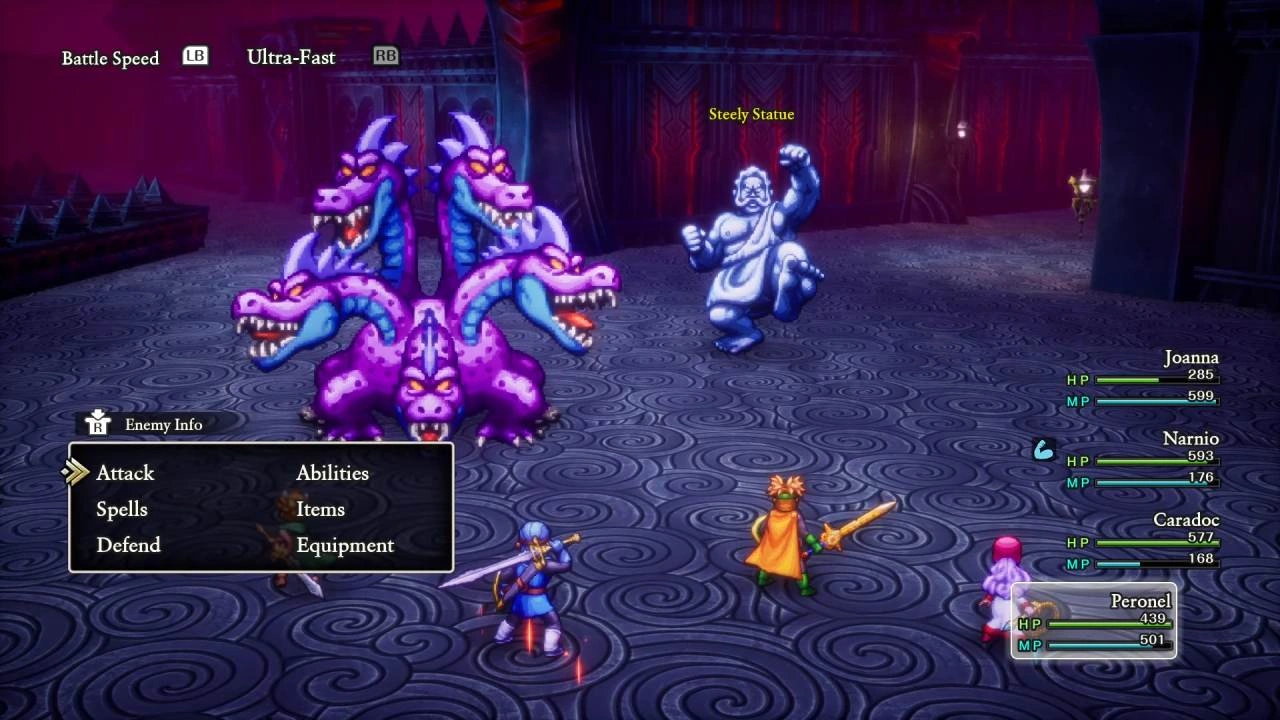
A Complete Guide to RPG Status Effects for Beginners | For most players, winning a battle in a Role-Playing Game (RPG) is not just about who wields the sharpest sword or casts the most destructive spell. If a game relies solely on trading raw damage numbers, combat quickly becomes monotonous and predictable. This is where a crucial element comes into play, often making the difference between life and death for your party: status effects.
Status effects are temporary conditions—either positive enhancements (buffs) or negative impairments (debuffs)—that alter a character’s stats, abilities, or turn frequency during combat. The inclusion of this mechanic adds a profound layer of strategy. Instead of mindlessly spamming attack buttons, players are forced to think, adapt, and craft clever tactics to turn the tide of battle.
To understand how this mechanic works and how you can exploit it to dominate your games, let’s break down the most common types of status effects found in fantasy RPGs.
1. Damage Over Time (DoT)

This category focuses on chipping away at an enemy’s health pool slowly but surely. DoT effects are incredibly potent against high-HP targets, such as bosses, because the damage is often calculated based on percentages or accumulated over time.
Poison
This condition is one of the most classic effects in RPG history. When a character is poisoned, they lose a small percentage of their health every time their turn comes around or every few seconds. Its constant nature makes poison a silent threat that can be fatal if left ignored for too long.
Bleed
In concept, bleeding is similar to poison, but its mechanics are often much more dynamic. In some games, bleed damage escalates exponentially if the afflicted character continues to move, perform physical actions, or take additional hits. This effect forces players to choose between stopping to heal or risking sudden death while attacking.
Burn
A burning effect does more than just drain a character’s remaining health over time; it also ravages their physical capabilities. The extreme heat is usually depicted as melting armor or breaking concentration, resulting in a reduction of the victim’s physical defense or attack power while active.
2. Crowd Control (Disabling)
In party-based combat, managing how many enemies can actively take a turn is the key to victory. Crowd Control (CC) effects serve to stop, delay, or disrupt enemy actions so your team can take full control of the battlefield.
Stun / Dazed
When a character is stunned, they temporarily lose consciousness. This causes them to completely miss their turn or become unable to move for a set duration. This effect is invaluable for interrupting an enemy that is preparing to unleash a devastating ultimate attack.
Sleep / Paralysis
The sleep condition immobilizes a character entirely, but this effect usually has a catch: the character will instantly wake up if they take physical damage. Conversely, paralysis works in a more erratic way. A paralyzed character might still have a chance to move, but there is a high risk that their action will fail entirely due to random muscle spasms determined by a dice roll.
Fear and Taunt
Psychological effects also play a massive role in combat tactics. Fear causes characters to panic, flee the combat area, or suffer heavy performance penalties.
Meanwhile, taunting is the ultimate weapon for protective characters (tanks). By taunting an enemy, the target is forced to focus their attacks exclusively on the taunter. This effect is incredibly useful for protecting squishy party members, such as healers or mages, from becoming easy targets.
3. Stat Modifiers
This category revolves around manipulating a character’s attribute values, either to empower your allies or cripple your opponents. Utilizing the right stat modifiers can turn an ordinary character into a terrifying killing machine, or conversely, make a powerful boss highly vulnerable.
Buffs
Buffs refer to any positive effect that benefits your characters. Some of the most popular examples include:
-
Haste: Increases action speed or turn frequency, allowing a character to attack multiple times before the enemy can even respond.
-
Protect / Shell: Wards or barriers that function to reduce incoming damage, whether from physical strikes or magical spells.
-
Regen: Restores a small amount of health periodically, helping to sustain the team without wasting a turn using potions.
Debuffs
The exact opposite of buffs, debuffs aim to disadvantage the opposing side. Frequently used effects include:
-
Slow: Reduces the enemy’s movement speed or turn frequency.
-
Weaken: Lowers the enemy’s defense metrics so that every subsequent attack you land deals significantly higher damage.
-
Curse: A high-tier affliction that drastically cuts all of a character’s base stats for a short duration, leaving the target incredibly fragile.
4. Action and Targeting Restrictions
Status effects in this group do not completely stop a character’s movement; instead, they restrict the types of actions they are allowed to perform or manipulate their targeting logic.
Blind / Darkness
When a character’s vision is obscured by darkness or a blinding light, their accuracy drops sharply. The physical attacks they launch will frequently miss, dealing zero damage. This effect is the perfect counter against enemies that rely heavily on close-quarters physical strikes or archery.
Silence / Mute
For a spellcaster, being silenced is the ultimate nightmare. The silence effect prevents characters from casting spells or utilizing any magical abilities. Without the ability to vocalize or concentrate on incantations, even the most powerful wizard becomes completely helpless on the battlefield.
Confusion and Berserk
Both of these effects strip away a player’s full control over their characters. Confusion causes a character to lose all sense of direction, making them attack their own teammates or hurt themselves randomly.
On the flip side, the berserk status locks a character into an uncontrollable state of pure physical aggression. A berserk character will attack the nearest target with maximum force, but they cannot use advanced strategies, cannot heal themselves, and cannot be ordered to defend.
5. Transformative and Complex Effects
Some RPG developers design more intricate status effects to introduce extreme variables into the gameplay. These effects usually bring about radical shape-shifting or manipulate the core mechanics of the game itself.
Petrify
Turning a character’s body into solid stone has a dual impact. On one hand, the character becomes completely immune to all forms of physical and magical damage. On the other hand, they are entirely frozen and cannot take any actions. A standard rule often applied to this effect is that if the entire party ends up petrified, it triggers an instant game over.
Zombie / Undead Status
The zombie mechanic is one of the most unique yet frustrating forms of system manipulation. When a character is afflicted with this status, the fundamental logic of the game’s recovery system reverses completely. Healing spells or recovery potions that are supposed to restore health will instead deal fatal damage. Conversely, lethal poisons that kill living beings will actually restore the health of a zombie character.
Why Status Effects Make RPGs So Engaging
The presence of these diverse status effects elevates RPG combat from a simple numbers game into a highly calculated match of chess. Players are required to look beyond basic offensive maneuvers; they must anticipate enemy tactics, prepare the right remedies, and execute status combinations (combos) to win battles as efficiently as possible.
Through a deep understanding of when to apply buffs, how to lock down enemy movement with crowd control, and how to exploit vulnerabilities using debuffs, you aren’t just playing a game. You are engineering a deeply satisfying tactical victory. This is the true essence that keeps the fantasy RPG genre so beloved and universally appealing to gamers worldwide.