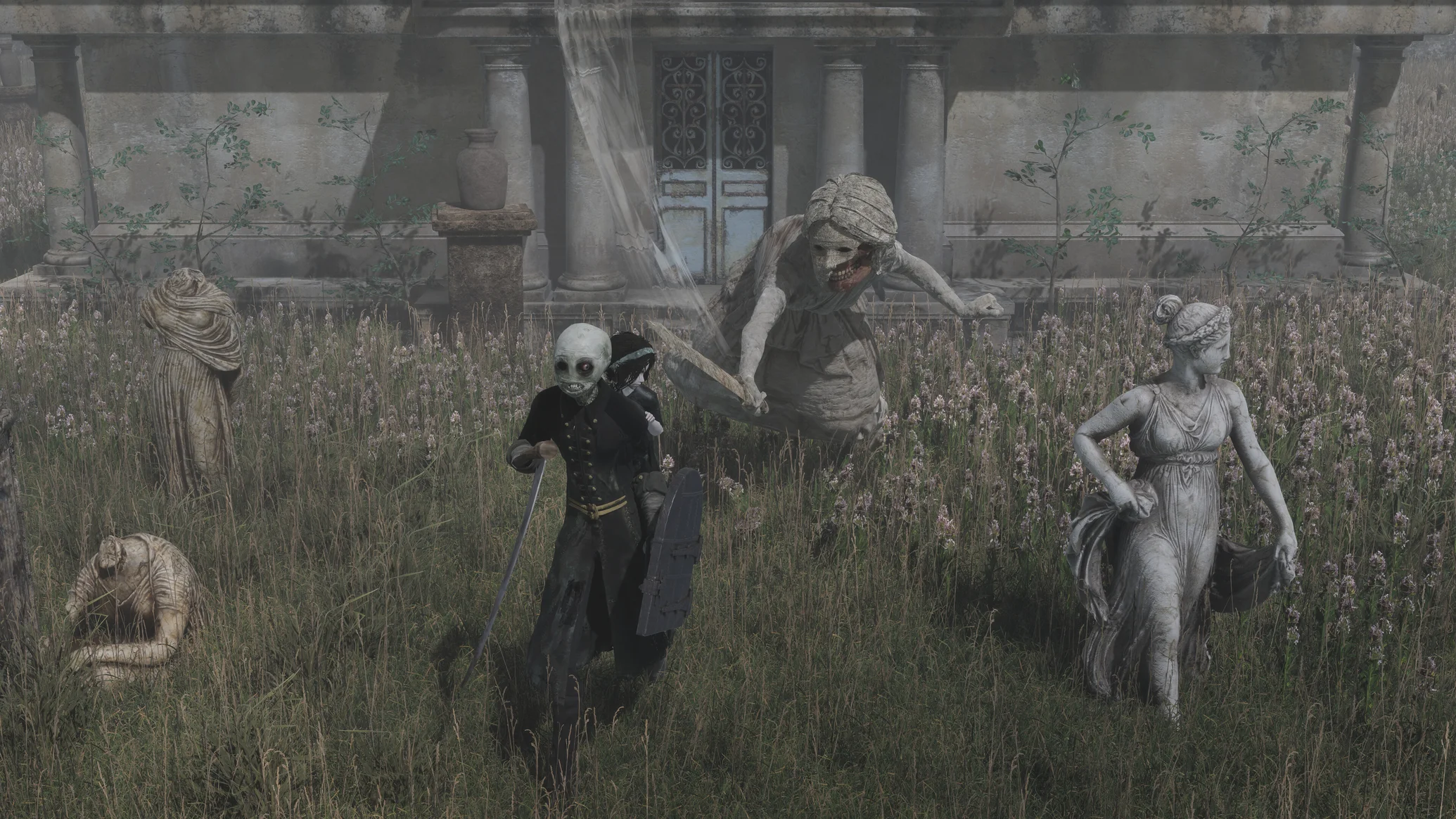
Dark RPG Realms Where Choices Haunt Every Adventure
Dark RPG Realms Where Choices Haunt Every Adventure – Dark role-playing games have a unique power over players. Unlike traditional RPGs where heroism often leads to victory, dark RPGs immerse players in worlds where choices carry weight, and consequences linger. These are realms where morality is gray, danger is constant, and even small decisions can haunt an entire adventure.
The appeal of dark RPGs isn’t just in their grim settings or challenging mechanics—it lies in the freedom to explore complex stories, the tension of every choice, and the satisfaction of surviving in worlds that feel alive and unpredictable.
The Allure of Darkness in RPG Worlds
Dark RPG realms pull players into atmospheres that feel oppressive yet magnetic. From decaying cities to cursed forests, these environments set the tone for the player’s journey. Unlike bright, heroic settings, darkness in RPGs often mirrors the complexity of real-life decisions—nothing is purely good or evil.
The environment itself becomes a storyteller. A ruined castle tells of fallen kingdoms. A misty swamp hides secrets and danger at every turn. These details immerse players in the world, making them feel responsible for their actions and aware that every step has meaning.
Morality and Consequences
A defining feature of dark RPGs is moral ambiguity. Players might face choices where neither option is clearly right, forcing them to weigh survival, loyalty, or personal gain. These games challenge traditional heroic narratives, replacing them with stories that ask players to live with the outcomes of their decisions.
Whether it’s sparing an enemy, stealing from the desperate, or choosing which faction to support, every action resonates. In many dark RPGs, a seemingly trivial choice can ripple through the story, affecting relationships, unlocking hidden quests, or even determining the ending.
Game Mechanics That Intensify Choice
Dark RPGs rely on mechanics that heighten tension and reinforce the impact of player decisions. Combat, exploration, and character development are all designed to keep players invested in the world and accountable for their choices.
Strategic Combat and Risk
In grim RPG realms, combat is rarely straightforward. Enemies are formidable, resources are scarce, and mistakes can be costly. Players must think carefully about every encounter, as reckless actions may result in permanent consequences.
This design forces players to engage with the world thoughtfully, making victories feel earned and failures meaningful. Risk and reward are central to the experience, keeping players constantly aware that survival is never guaranteed.
Progression in a Dark World
Character progression in dark RPGs often intertwines with story outcomes. Choices may unlock or lock abilities, influence alliances, or even change the game’s environment. Unlike traditional RPGs where leveling up is predictable, progression in dark realms is unpredictable, reflecting the chaotic nature of the world.
This encourages experimentation and adds replay value. Players learn to adapt their strategy based on the consequences of previous decisions, making each playthrough unique and deeply personal.
Storytelling in Dark RPG Realms
The narrative is the heartbeat of any dark RPG. Unlike linear stories, these games often feature branching paths shaped by player choices. The stakes are real, and the tension is constant, keeping players invested in the unfolding drama.
Characters That Leave a Mark
Dark RPGs excel at creating morally complex characters. Allies may betray, enemies may become friends, and minor NPCs can have hidden motives. Players form relationships that feel dynamic, knowing that trust can be broken, and loyalty can shift depending on their choices.
These characters add emotional depth to the game. Players aren’t just progressing through quests—they’re navigating a web of human—or inhuman—emotions, decisions, and consequences that linger long after the game ends.
Narrative Branching and Replayability
A hallmark of dark RPGs is narrative branching. Multiple story paths encourage exploration and experimentation. Players might replay the game to see how different choices affect the world, the characters, and ultimately, their fate.
This branching structure makes the game feel alive. The world reacts to the player, not the other way around, creating a sense of immersion rarely achieved in traditional RPGs.
The Atmosphere: Lighting, Sound, and Immersion
In dark RPG realms, ambiance is everything. Visuals, sound design, and environmental details work together to evoke unease, suspense, and wonder. Flickering torches, haunting music, and ominous weather all contribute to the immersive experience.
A well-crafted atmosphere does more than set the mood—it reinforces the stakes of every choice. When a decision is made in a dimly lit dungeon or during a storm, the player feels the weight of their actions on a sensory level, heightening the tension and engagement.
Challenges and Rewards of Dark RPG Design
Creating a dark RPG is a delicate balance. Developers must maintain tension without frustrating players and deliver consequences without removing agency. The best dark RPGs provide challenge, but also reward thoughtful exploration and decision-making.
Balancing Difficulty and Story
In dark RPGs, difficulty is part of the story. Harsh conditions, punishing enemies, and moral dilemmas all contribute to the world’s believability. However, designers must ensure that the game remains fair. When challenges feel surmountable through skill and strategy, players are more likely to invest in the story and the world.
Rewards That Matter
In a dark RPG, rewards aren’t always shiny loot or experience points. Sometimes, the most satisfying outcomes are narrative-based—saving a village, uncovering a secret, or forging an unexpected alliance. These rewards reinforce the importance of choices, showing players that actions have meaning beyond numbers and stats.
Why Players Keep Returning to Dark RPGs
Dark RPG realms offer more than gameplay—they offer experiences that linger. The tension, moral ambiguity, and narrative complexity create games that stay in the player’s mind long after they’ve stopped playing.
Every visit to a dark RPG world is a journey into uncertainty, where every decision can haunt the player. This sense of consequence, combined with rich storytelling and immersive design, makes dark RPGs endlessly engaging and rewarding.
Final Thoughts: Embracing the Shadows
Dark RPGs thrive because they challenge expectations. They demand careful thought, encourage moral reflection, and offer immersive experiences that bright, traditional RPGs often cannot. In these realms, the weight of every choice is palpable, and the thrill of navigating danger and uncertainty is unmatched.
For players seeking more than just combat or treasure, dark RPGs provide worlds that feel alive, stories that stay with them, and choices that truly matter. These are realms where the shadows aren’t just background—they are part of the adventure itself.