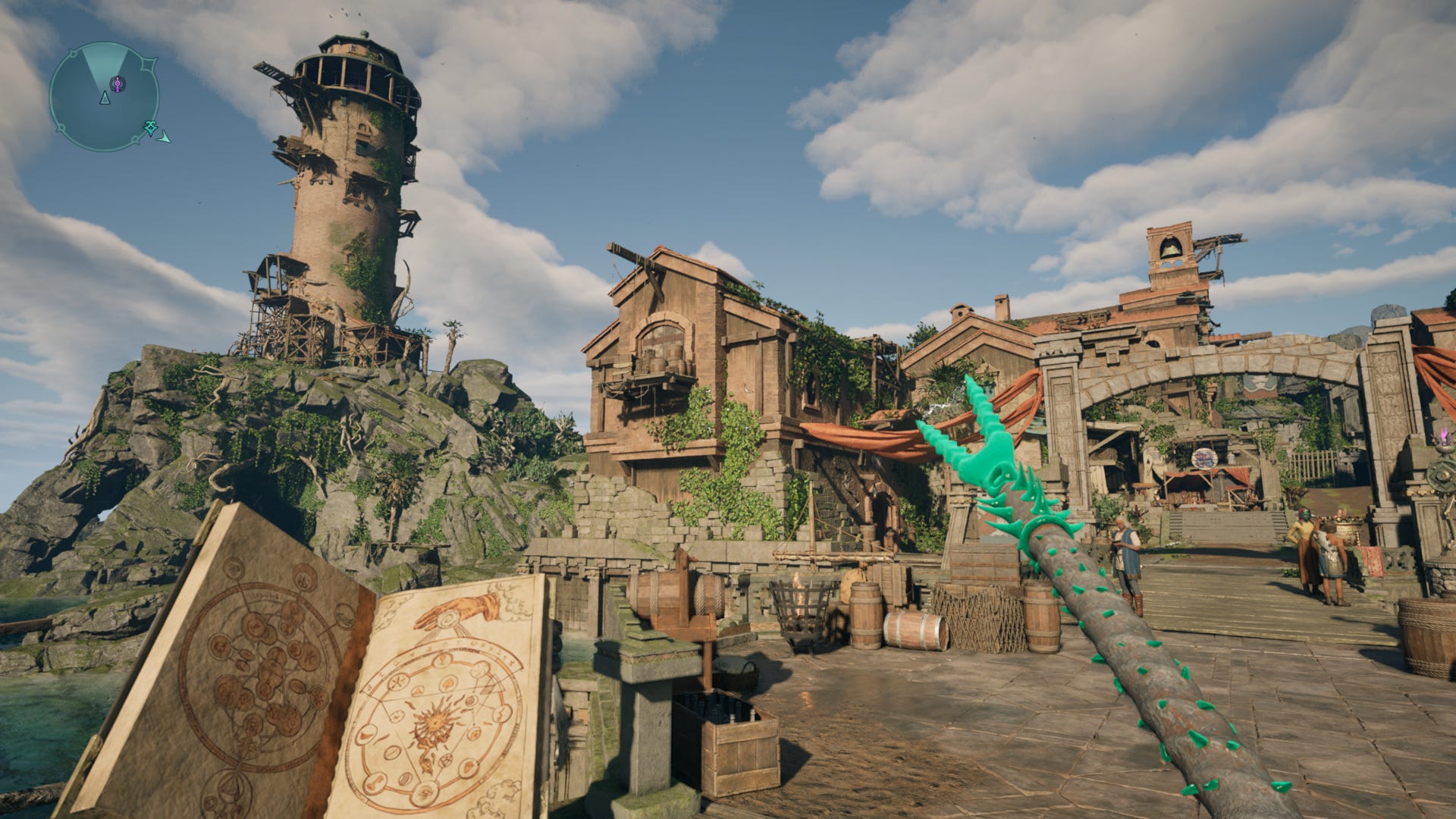
RPG Worlds Built on Strategy Story and Imagination
RPG Worlds Built on Strategy Story and Imagination – Role-playing games, better known as RPGs, have evolved far beyond simple entertainment. Today, RPG worlds are carefully crafted experiences built on strategy, deep storytelling, and limitless imagination. These elements work together to create immersive universes where players do more than just play. They think, plan, feel, and live inside the world itself.
Unlike fast-paced arcade games, RPGs invite players to slow down and engage with complex systems. Every decision matters, every character has meaning, and every story arc feels personal. This is what makes RPG worlds so memorable and why they continue to attract players across generations.
The Foundation of Strategic Gameplay in RPG Worlds
At the heart of most RPG worlds lies strategy. Strategy is not only about combat mechanics or character builds, but also about long-term planning and decision-making. Players are often asked to choose how to develop their characters, manage resources, and respond to challenges that shape the world around them.
In well-designed RPGs, strategy creates a sense of ownership. When players invest time into building skills, selecting equipment, or forming alliances, the outcomes feel earned. This strategic depth separates strong RPG worlds from shallow ones. It ensures that progress is meaningful rather than automatic.
Strategy also enhances replay value. Different choices lead to different outcomes, encouraging players to revisit the same world with new approaches. This layered design is one reason RPGs maintain long-term engagement and strong communities.
Storytelling as the Soul of Role-Playing Games
While strategy forms the backbone, story gives RPG worlds their soul. A compelling narrative transforms a digital environment into a living universe. Players are no longer outsiders; they become heroes, anti-heroes, or even villains within the story.
Strong RPG storytelling often focuses on character-driven narratives. Instead of simply following a fixed plot, players influence how the story unfolds. Dialogue choices, moral decisions, and side quests all contribute to a personalized experience. This interactive storytelling makes RPG worlds feel dynamic and alive.
Emotional Connection Through Narrative Design
One of the most powerful aspects of RPG storytelling is emotional engagement. Players form attachments to companions, feel the weight of loss, and experience triumph through shared struggles. These emotional connections are not accidental. They are carefully written into the world through detailed lore, believable characters, and meaningful conflicts.
When story and gameplay align, players become deeply invested. They remember moments not because of graphics or mechanics, but because of how those moments made them feel. This emotional depth is a defining feature of successful RPG worlds.
Imagination and World-Building Without Limits
Imagination is the element that ties everything together. RPG worlds thrive on creativity, offering environments that range from high fantasy kingdoms to futuristic dystopias. These worlds are not just backdrops; they are integral parts of the experience.
Effective world-building includes history, culture, politics, and mythology. Even if players do not encounter every detail directly, the presence of a well-thought-out universe enhances immersion. Small touches like regional dialects, ancient ruins, or conflicting factions make the world feel authentic.
Imaginative RPG worlds also encourage exploration. Players are rewarded for curiosity, whether through hidden quests, secret locations, or unexpected storylines. This sense of discovery keeps players engaged and reinforces the feeling that the world exists beyond the main storyline.
The Balance Between Freedom and Structure
One challenge in RPG design is balancing player freedom with narrative structure. Too much freedom can make a story feel directionless, while too much structure can limit creativity. The best RPG worlds find harmony between these extremes.
Players are given freedom to explore, but their actions still have consequences. Choices may unlock new paths or close others permanently. This balance creates tension and excitement, as players understand that their decisions shape the world in lasting ways.
Player Agency as a Core RPG Experience
Player agency is central to the RPG identity. The ability to influence outcomes, relationships, and even the fate of entire regions gives players a sense of control rarely found in other genres. This agency is what turns a game into a role-playing experience rather than a passive story.
When RPG worlds respect player choices, they feel responsive and intelligent. This responsiveness strengthens immersion and builds trust between the player and the game world.
Why RPG Worlds Continue to Captivate Players
RPG worlds built on strategy, story, and imagination endure because they offer depth. They challenge the mind through planning, touch the heart through narrative, and spark curiosity through creative design. Few genres manage to blend these elements so seamlessly.
As technology advances, RPG worlds become even more complex and believable. However, the core principles remain the same. A strong strategic foundation, compelling storytelling, and imaginative world-building are timeless qualities that define the best RPG experiences.
For players seeking meaningful gameplay and immersive adventures, RPG worlds remain unmatched. They are not just games, but interactive stories shaped by the choices, strategies, and imagination of those who enter them.